

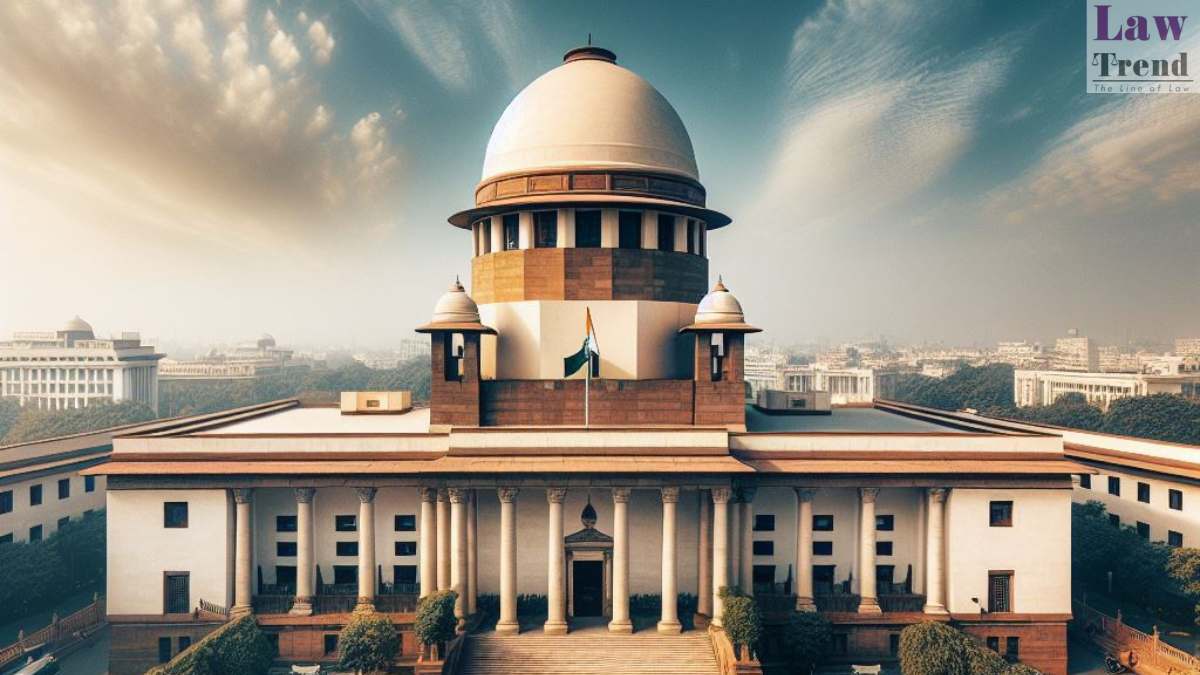
The Supreme Court on Monday expressed serious concern over widespread violations of municipal building bye-laws across the country, questioning the role of civic authorities in allowing unauthorised constructions and failing to enforce demolition orders.
A bench of Justices B V Nagarathna and Sanjeev Sachdeva, hearing a matter concerning illegal construction, observed that municipal officials frequently overlook deviations from sanctioned building plans and permit violations to continue despite having the responsibility to prevent them.
Justice Nagarathna raised questions about possible corruption at different stages of construction, including the approval of building plans, inspections and the non-execution of demolition orders.
The Court observed that unauthorised constructions often thrive through the active connivance of municipal authorities, with builders expecting state governments to eventually regularise illegal structures, particularly ahead of elections.
It expressed concern that inspections frequently take place only after construction is completed, leaving authorities confronted with violations that have already become an accomplished fact.
Building Violations Affect Entire Cities
Emphasising that cities are shared civic spaces, the bench observed that individual property rights must operate within the limitations imposed for the collective welfare of residents.
The Court noted that violations of building regulations place considerable pressure on public infrastructure, including roads, drainage systems and traffic capacity.
It stressed that compliance with municipal regulations is not merely a statutory obligation but also an essential aspect of civic responsibility.
Referring to the constitutional framework governing fundamental duties, the bench observed that disregard for laws enacted in the public interest is inconsistent with the responsibility citizens owe to society.
The Court further emphasised that municipal authorities bear an equally important responsibility to ensure that building regulations are implemented effectively.
It expressed concern that the rule of law loses its meaning when the very institutions entrusted with enforcing legal requirements fail to perform their duties.
Supreme Court Seeks Affidavits From States and Union Territories
While examining the broader implications of unauthorised construction, the bench decided to limit the issues arising from the miscellaneous application and seek suggestions from state governments and Union territories.
The Court directed the respective governments to submit affidavits through responsible officers outlining their suggestions concerning the issues under consideration.
It further directed municipal corporations to coordinate with the principal commissioner or secretary responsible for municipal administration in their respective state governments.
The bench said it would examine these affidavits before considering whether further directions were necessary to address violations of municipal building regulations.
The matter has been listed for further hearing on January 6, 2027.


