

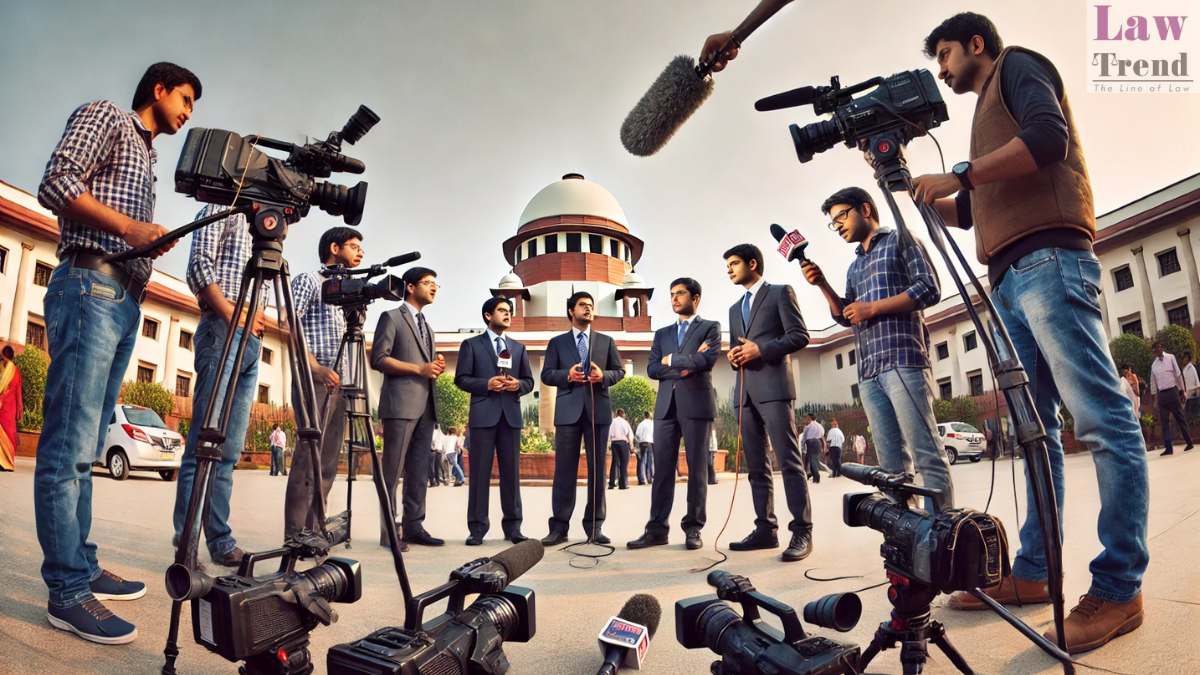
The Delhi Police has told the Supreme Court that social media influencers, reel-makers and content creators cannot automatically claim the protection granted to journalists under an earlier court order permitting unhindered reporting of protests.
In an affidavit filed before the Court, the police argued that the direction protecting journalists from restrictions imposed during crowd-control operations does not exempt digital content creators from complying with lawful police instructions at protest sites.
The submission came in response to petitions alleging that journalists were obstructed and detained while covering demonstrations organised by the Cockroach Janata Party (CJP) in Delhi. The protests demanded the resignation of Chief Election Commissioner Gynanesh Kumar over alleged irregularities in the Special Intensive Revision (SIR) of electoral rolls.
The Supreme Court had earlier directed the police not to interfere with journalists performing their professional duties following complaints about restrictions on media coverage.
Police Draws Distinction Between Journalists and Content Creators
The Delhi Police maintained that its officers had never deliberately prevented journalists from carrying out legitimate reporting activities.
However, it argued that the Court’s protection for media personnel could not be extended indiscriminately to individuals recording videos or producing social media content.
According to the affidavit, the increasing commercial use of digital content has raised questions about whether reel-makers and influencers should receive the same recognition as professional journalists.
The police submitted that the primary purpose behind a person’s activities at a protest site could help determine whether they were engaged in journalism or content creation.
It also alleged that some protesters carrying microphones and cameras had falsely presented themselves as journalists, making it difficult for officers to distinguish media personnel from demonstrators.
The affidavit urged the Supreme Court to consider the difference between those gathering and reporting news impartially and individuals recording events primarily to produce content.
At the same time, the police acknowledged that constitutional freedoms relating to lawful news gathering, recording and publication extend beyond journalists employed by established media organisations.
It accepted that independent reporters, freelancers, ordinary citizens and individuals publishing news through YouTube or other digital platforms could exercise these freedoms without necessarily possessing Press Information Bureau accreditation, an employer-issued press card or employment with a recognised news organisation.
Nevertheless, the police maintained that such individuals remained subject to applicable laws and lawful instructions issued by law enforcement authorities.
Police Responds to Allegations of Harassment and Detention
The affidavit also addressed several incidents cited by journalists who alleged harassment, obstruction and unlawful detention while covering the protests.
In relation to sexual harassment allegations made by three journalists against a police officer over an October 3 incident, the Delhi Police stated that two complainants did not wish to pursue their complaints, while the third did not participate in the enquiry.
The police said CCTV footage had been examined but did not reveal any act of sexual harassment. It consequently closed the three complaints, stating that the available evidence did not substantiate the allegations.
Regarding allegations that reporters from Peek TV were dragged and detained, the police submitted that a Deputy Commissioner of Police subsequently met them and expressed regret.
The affidavit maintained that senior officers had acted promptly to prevent journalists from being removed once their identities were established and that any inconvenience during crowd-control operations was unintentional.
The police also denied allegations made by The Caravan journalist Ryan Thomas, who claimed that he had been assaulted and detained on October 11.
According to the police, Thomas was removed from the protest site under statutory powers exercised during crowd-control operations.
Addressing a separate incident involving a journalist from The Hindu, the police said she was released immediately after officers confirmed her identity as a reporter.
Similarly, the affidavit pointed out that three Indian Express journalists were released after approximately 45 minutes once their professional credentials had been verified.
Delhi Police Denies Illegal Detention of Journalists
The affidavit rejected allegations concerning journalist Paranjoy Guha Thakurta, who had claimed that he was unlawfully detained.
The police referred to his own account, according to which he was placed in a vehicle that was driven around for approximately 20 minutes before he was released about half a kilometre away at around 1 pm.
The police argued that his account did not establish that he had been taken to a police station.
It also disputed allegations involving journalist Shyam Meera Singh, questioning whether he was reporting on the protest or participating in it.
According to the affidavit, Singh had acknowledged shouting slogans during a confrontation between groups at Connaught Place while taking part in what the police described as an illegal protest.
The police also referred to his statement about attempting to escape from alleged illegal detention after reaching a police station.
It argued that these circumstances indicated active participation in the protest rather than the detached role of a journalist covering events.
The police further denied confiscating cameras or other equipment belonging to journalists.
It maintained that articles seized during the demonstrations belonged to other individuals or had been found unattended, including mobile phones, and that such seizures were carried out under statutory authority.
Media Organisations Allege Violation of Supreme Court Order
The proceedings arise from petitions filed by organisations including the Network of Women in Media, India, Free Speech Collective, Delhi Union of Journalists and Kerala Union of Working Journalists.
The organisations have raised concerns about the treatment of journalists covering demonstrations against the Chief Election Commissioner in the national capital.
They have relied on the Supreme Court’s October 11 order directing that lawyers, journalists and other professionals must not be obstructed while performing their professional duties.
The petitioners contend that the Delhi Police violated that direction by allegedly detaining and restricting journalists during the protests.
Disputing these allegations, the Delhi Police has urged the Supreme Court to dismiss the petitions.


