

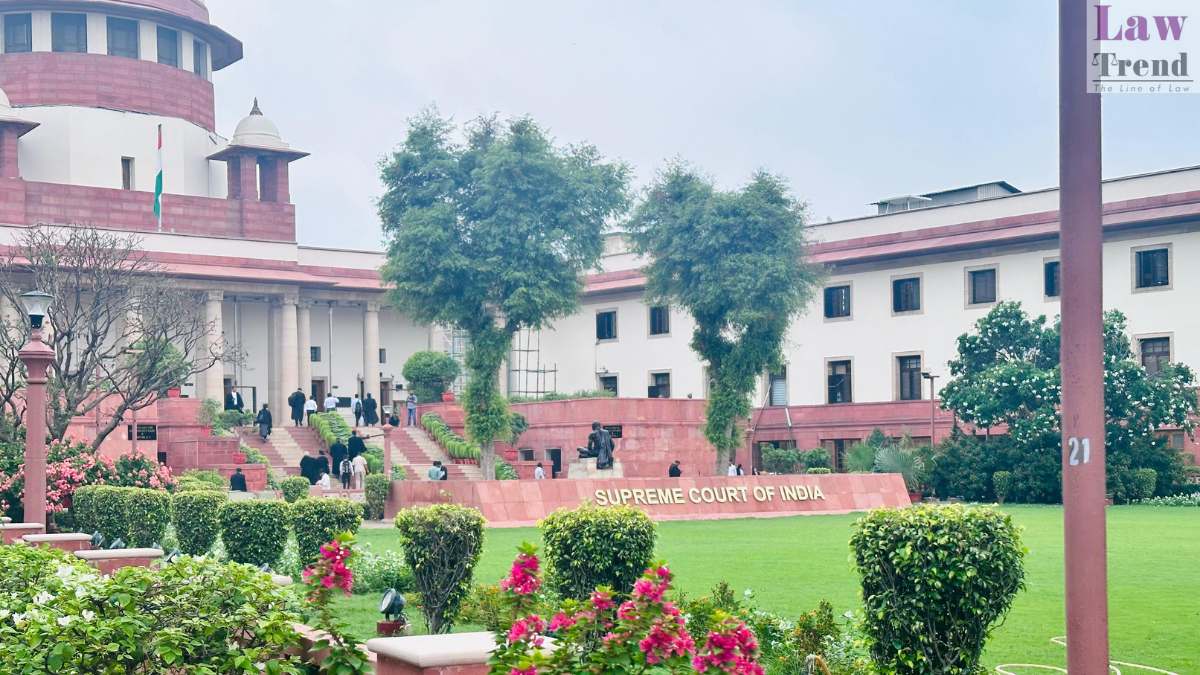
The Supreme Court has nullified local body elections across 50 wards in Punjab after an inquiry revealed widespread disruption, physical violence, and intimidation during the candidate nomination phase, directing that new elections be conducted within six weeks.
The order, issued by a bench comprising Chief Justice Surya Kant, Justice Joymalya Bagchi, and Justice V. Mohana, affects 28 wards in Patiala district and 22 in Moga district. Endorsing the conclusions of a court-appointed fact-finding panel, the judges ruled that the election process in these constituencies had been compromised and could not stand.
Inquiry Uncovers Widespread Obstruction
The nullification follows findings submitted by the court’s commission, which investigated complaints regarding local elections in the state. The panel documented extensive interference during the filing of nomination papers, recording instances where prospective candidates were physically assaulted, threatened, or unlawfully detained. The commission also cited cases where nomination papers were forcibly snatched, torn, or destroyed to prevent individuals from contesting.
Based on these findings, the commission determined that the democratic process in the 50 wards had been fundamentally invalidated and recommended setting the results aside, an assessment the bench accepted in full.
High Court Oversight And State Concurrence
To ensure the repeat exercise is conducted in a free, fair, and transparent manner, the Supreme Court instructed the Chief Justice of the Punjab and Haryana High Court to set up an independent monitoring committee within one week. The supervisory panel will be headed by a retired High Court judge.
The State of Punjab raised no objection to the commission’s conclusions or the subsequent directions, with senior counsel Kapil Sibal confirming the government’s consent before the bench. The directive was passed on September 28 and released publicly on Wednesday.




