

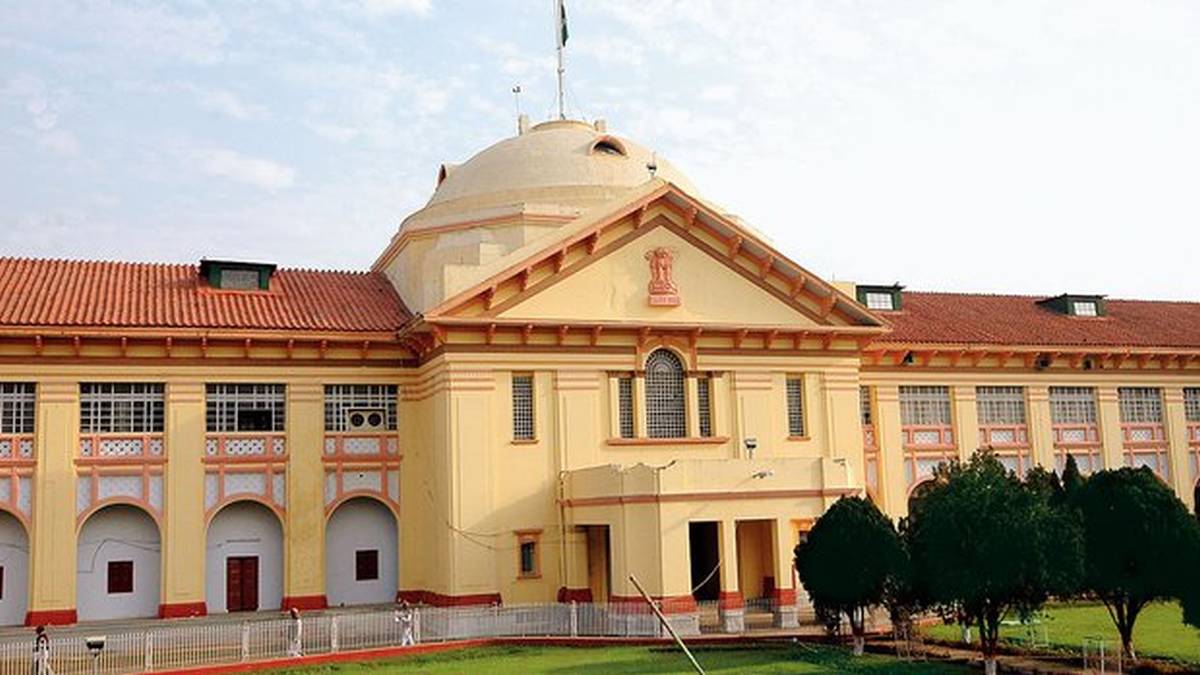
The Patna High Court has directed the Jehanabad district administration to submit a comprehensive accounting of revenue generated from the annual Barabar Shravani Mela over a five-year period, questioning the authorities over a lack of permanent civic infrastructure at the historic third-century BCE Barabar Caves.
Hearing a petition arising from a commercial tender dispute, Justice Rajiv Roy stayed a late-fee penalty imposed on the 2024 fair contractor and expanded the proceedings into an inquiry into administrative neglect at the heritage site. The court observed that the local administration appeared focused solely on revenue collection while demonstrating zero responsibility toward reinvesting those proceeds into long-term infrastructure for visitors.
Scrutiny Over Reinvestment And Year-Round Infrastructure
The court ordered the District Magistrate of Jehanabad to furnish detailed financial records showing all revenue collected from the Shravani Mela over five years, through the 2026-27 period, alongside the exact amounts reinvested into the permanent development of the area. It emphasized that temporary arrangements made exclusively for the month-long pilgrimage do not satisfy administrative obligations.
Authorities must present a formal blueprint covering permanent public facilities, including round-the-year clean drinking water, permanent public washrooms, designated vending spaces, paved walkways, seating benches across the surrounding hills, proper electrical cabling, and sustainable waste disposal systems.
The order noted that the granite caves—commissioned during the Mauryan era by Emperor Ashoka and his grandson Dasharatha as sanctuaries for Ajivika ascetics—possess distinct mirror-polished interiors that attract global researchers alongside the thousands of pilgrims arriving during the Shravani season.
Safety Review Following Deadly 2024 Stampede
The court’s directions also address visitor safety in the wake of a fatal stampede that occurred during the early hours of August 12, 2024, leaving seven people dead and several others injured. Following that incident, the local administration suspended the fair and designated the settlement grounds as a no-vending zone from August 14, closing all temporary stalls.
To prevent future tragedies, the High Court directed the Superintendent of Police of Jehanabad to submit a report on permanent crowd management and security arrangements, including closed-circuit camera surveillance. The Civil Surgeon has been tasked with detailing medical interventions undertaken following the 2024 tragedy and reporting on the feasibility of establishing a Primary Health Centre at or near the monument.
Other state bodies have also been asked to participate in the restoration effort. Forest officials must explain plans to introduce greenery and renovate the neglected local Dak Bungalow, while the Building Construction Department has been asked to outline dedicated facilities for domestic and international tourists. Additionally, a committee led by the Jehanabad District and Additional Sessions Judge will conduct an on-site inspection to assess conditions and submit independent recommendations.
Relief Granted In Contractual Penalty Dispute
The case originated from a writ petition filed by Rajballav Prasad, who won the commercial rights to manage the 2024-25 fair with a bid of Rs 1,77,62,159. Although Prasad deposited the entire bid amount by October 19, 2024, the District Magistrate issued an order on February 18, 2025, levying a delayed payment fine of Rs 1,37,461.
Justice Roy stayed the February 18 penalty order and clarified that the ongoing judicial review will not bar Prasad from participating in future public tenders.
All concerned authorities have been granted six weeks to submit their respective compliance filings, with a default cost of Rs 2,000 payable to the Patna High Court Legal Services Committee for non-compliance. Following observations on September 21, the court scheduled the matter for September 28 to review initial filings and set the next comprehensive hearing for November 2.




