

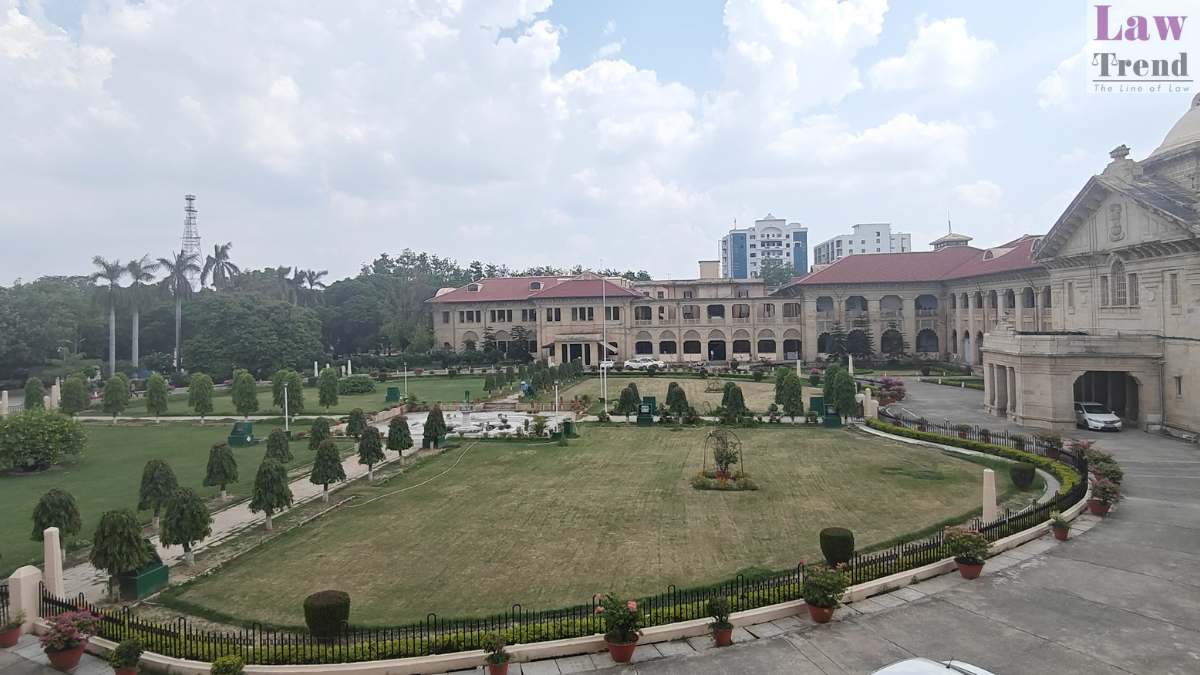
The Allahabad High Court has imposed a penalty of Rs 2.5 lakh on a real estate developer for pursuing frivolous legal challenges that delayed the delivery of an apartment to a homebuyer for over 13 years.
Justice Prashant Kumar directed the builder to pay the exemplary costs directly to the buyer within four weeks. In the July 31 ruling, the bench noted that the developer had used protracted proceedings to evade its legal obligations, causing severe financial hardship and mental distress to the buyer despite her having paid nearly the full purchase price.
Financial Penalty Imposed For Prolonged Litigation
According to court records, the woman booked the residential flat in 2011 after receiving assurances that the property would be handed over by June 2013. She deposited Rs 35.9 lakh, representing almost the total sale consideration. However, the developer failed to complete construction or grant physical possession within the agreed timeframe.
After years of waiting, the buyer sought intervention from the Real Estate Regulatory Authority. In July 2018, the regulatory body directed the builder to deliver the flat immediately and awarded the buyer 24 percent interest on the delay, calculated from June 30, 2013.
Tribunal Appeals And Disputed Possession Claims
Rather than complying with the regulatory directive, the builder challenged the ruling before the Uttar Pradesh Real Estate Appellate Tribunal. The tribunal dismissed the appeal multiple times due to non-prosecution by the developer. Although one dismissal was briefly restored, the tribunal ultimately rejected the appeal again on July 10, 2020.
More than two years later, the builder submitted a restoration application to reopen the case. When the appellate tribunal turned down that plea, the developer escalated the matter to the high court.
In its defense before the high court, the real estate firm argued that the buyer had cleared her final installment on July 8, 2017, and received possession on the same date. The builder asserted that the buyer failed to disclose this development to the regulatory authority and claimed that the two-year delay in seeking restoration before the tribunal was non-deliberate.
Lack Of Occupancy Certificate Nullifies Handover Claim
The high court rejected the developer’s arguments, finding no valid justification for the excessive delay in filing the restoration plea beyond the statutory limitation period.
Addressing the claim regarding handover, the court emphasized that the project lacked an occupancy certificate. The bench ruled that physical possession cannot legally be transferred to an allottee without an occupancy certificate in place.
The court further remarked that the developer’s conduct subverted the core intent of the Real Estate (Regulation and Development) Act, 2016. It observed that the homebuyer had been forced to contest multiple legal battles since 2018 despite holding favorable orders, concluding that the builder’s legal actions were intended solely to stall compliance.




