

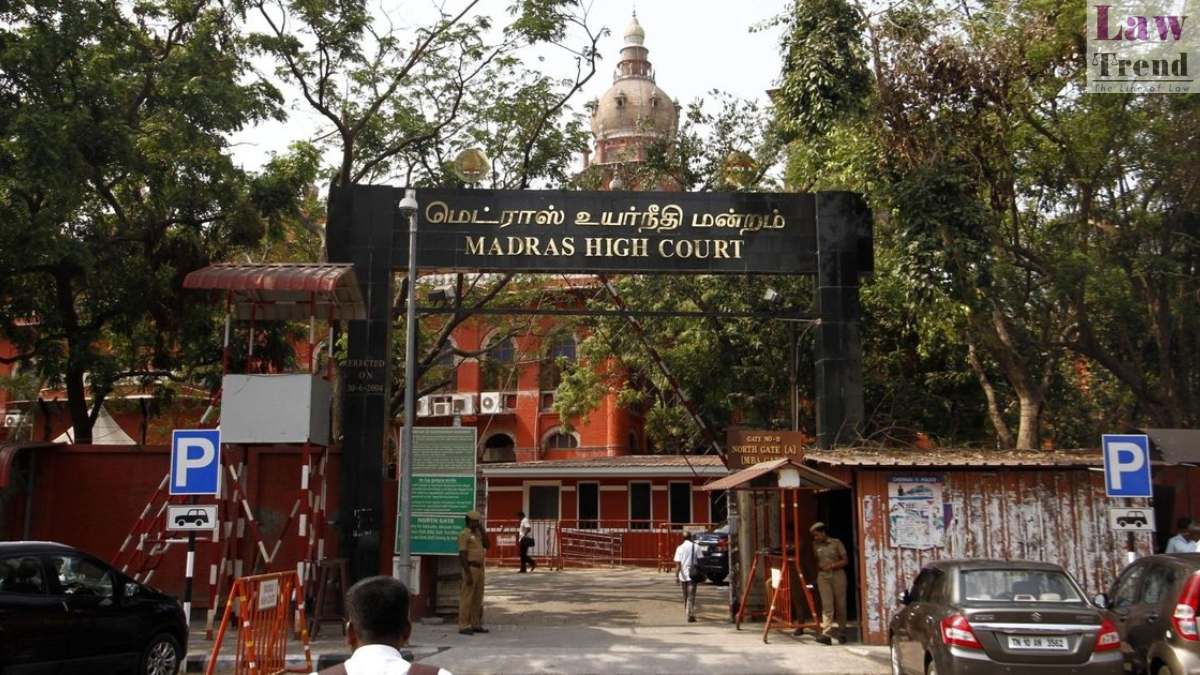
Public authorities cannot use statutory confidentiality exemptions to conceal routine administrative information, the Madras High Court has ruled, ordering its own administration to disclose details regarding an internal court panel.
In a ruling by Justice M Dhandapani, the court established that general operational data—including member qualifications, duties, and salaries paid from public funds—must be shared under the Right to Information (RTI) Act unless the information directly threatens state security or involves sensitive disciplinary files.
Origins Of The Legal Dispute
The judgment resolves a legal challenge brought by the high court registrar general against an October 2023 directive from the Tamil Nadu Information Commission. The state commission had ordered the court registry to fulfill an information request submitted by applicant Akbar Ahamed in July 2021.
Ahamed’s application sought documentation regarding the High Court of Madras (Conduct of Proceedings by Party-in-Person) Rules, 2019. Specifically, he requested the names, professional qualifications, expertise, roles, and compensation details of panel members serving on the court’s Party-in-Person Committee, alongside information detailing the powers of the administrative committee and the conduct records of panel members.
Distinguishing Public Info From Confidential Files
Court administrators originally refused the request by citing Section 8 exemptions under the RTI Act, relying on a prior judicial benchmark that protected confidential vigilance inquiries and disciplinary records of judicial personnel.
Justice Dhandapani rejected that rationale, stating that general administrative structures, member experience, and functional responsibilities do not compromise institutional safety or personal privacy. The court observed that much of the requested organizational data was non-classified and already accessible on the high court’s public website.
Taxpayer Funding And Salary Disclosure
Following a procedural clarification on July 27 regarding an earlier June judgment, the court confirmed that the panel consisted of registrars and registry officers rather than judges. The judge noted that because these officials receive compensation funded by taxpayers, details regarding their salaries and allowances are matters of public record that citizens are entitled to access.
The court accepted the registry’s objection on only one point, ruling that individual conduct records of committee members were not required to be furnished because the court did not maintain that data in the specific format requested.
Compliance Order Issued
Concluding the matter, the high court instructed the registry to issue an amended version of the judgment incorporating the panel’s composition and salary disclosures. The court directed the registrar general to provide the RTI applicant with all required information, excluding conduct records, within two weeks of receiving the formal order.




