

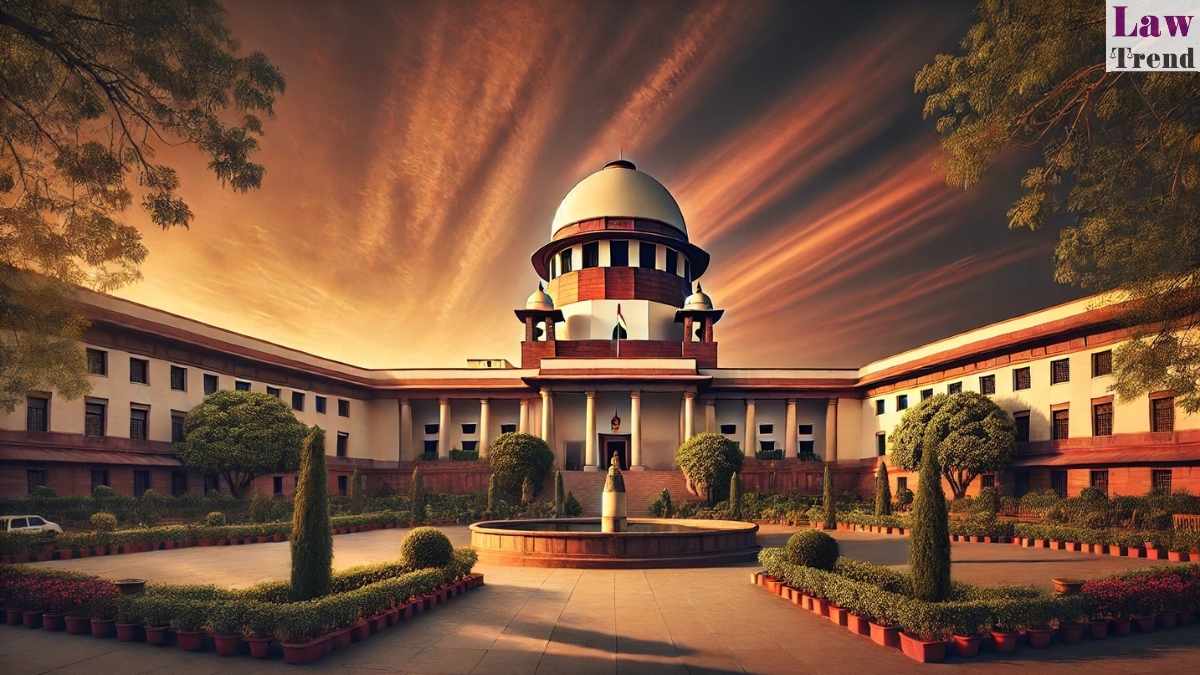
A Supreme Court bench hearing the bail application of human rights advocate Surendra Gadling in the 2018 Elgar Parishad-Maoist links case has referred the matter to another bench following a judicial recusal.
Justice Shree Chandrashekhar withdrew from the proceedings on Tuesday while sitting alongside Justice Prashant Kumar Mishra. During the scheduled hearing, Justice Mishra announced that the petition would be reassigned due to a personal difficulty expressed by his colleague on the bench.
Justice Chandrashekhar’s withdrawal makes him the third judge of the apex court to recuse himself from Gadling’s bail proceedings, following similar recusals by Justice M.M. Sundresh and Justice A.S. Chandurkar.
Repeated Adjournments and Prolonged Incarceration
The recusal comes shortly after Senior Advocate Kapil Sibal, representing Gadling, brought the matter before a bench led by Chief Justice of India Surya Kant to request an expedited hearing. Sibal highlighted that Gadling has been detained for seven and a half years, pointing out that despite the court issuing notice on the bail petition in 2023, the case has suffered repeated delays caused by judge recusals.
The defense has repeatedly sought urgent judicial attention for the case. On August 8, 2025, Senior Advocate Anand Grover urged then-Chief Justice B.R. Gavai for an early hearing, noting that the defense petition had already been adjourned 11 times in the Supreme Court.
On March 27 of last year, the top court deferred hearings on the bail pleas of both Gadling and co-accused activist Jyoti Jagtap. Simultaneously, the court deferred a petition filed by the National Investigation Agency challenging the bail granted to another activist, Mahesh Raut. Raut was awarded bail by the Bombay High Court, but the execution of that order remains stayed pending the outcome of the federal agency’s appeal before the Supreme Court.
Prosecution Allegations and Legal Background
Gadling faces charges under various sections of the Indian Penal Code and the Unlawful Activities (Prevention) Act. Prosecutors allege that he provided assistance to underground Maoist groups and conspired with multiple co-accused individuals, including suspects who remain at large.
Investigating agencies claim Gadling passed sensitive government information and regional maps to Maoist rebels, encouraged opposition against operations at the Surjagarh mines, and incited local residents to join the outlawed movement.
The case stems from the Elgar Parishad event held on December 31, 2017, at Shaniwarwada fort in Pune. Authorities allege that inflammatory speeches delivered during the gathering triggered widespread violence the following day near the Koregaon-Bhima war memorial in Pune district.
In related proceedings, the Bombay High Court previously rejected an appeal by activist Jyoti Jagtap against a February 2022 special court order denying her bail. The High Court concluded that Jagtap was an active member of Kabir Kala Manch, an organization accused of raising aggressive slogans during a play performed at the conclave. The National Investigation Agency maintains that Kabir Kala Manch functions as a front organization for the banned Communist Party of India (Maoist).


