

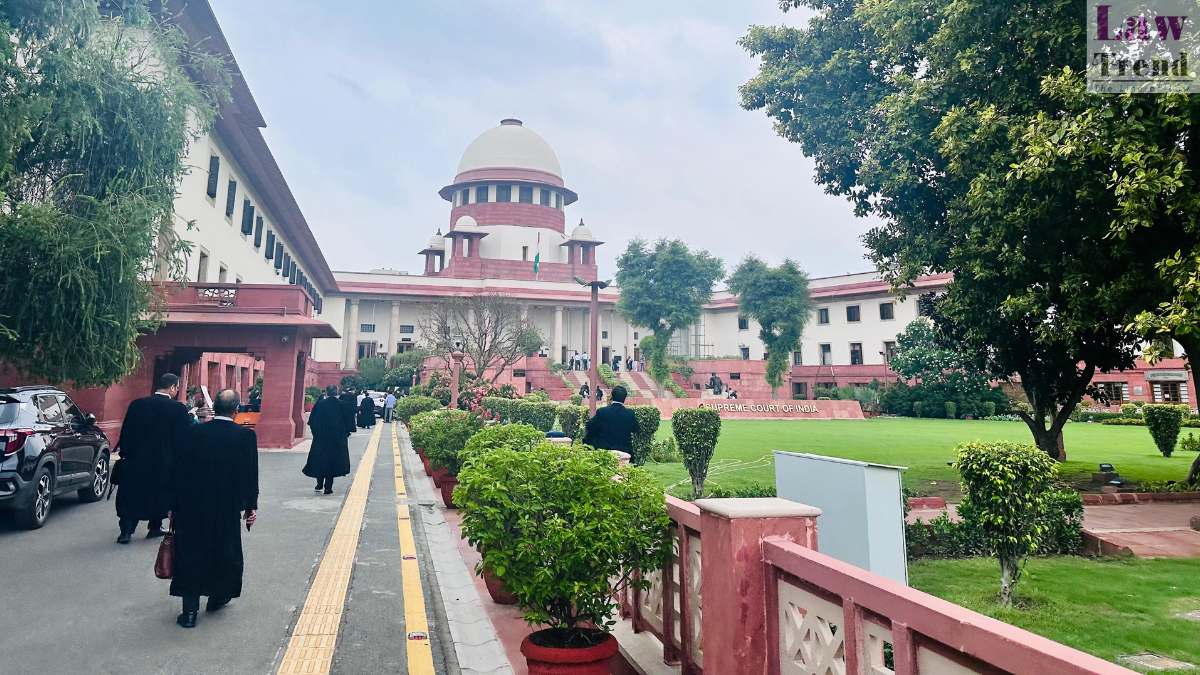
The Supreme Court of India has given the Assam government a two-week deadline to provide justification for its orders classifying five women as illegal foreigners.
A division bench consisting of Justices Vikram Nath and Sandeep Mehta issued the directive on July 16. The court granted the extension after legal counsel representing the state of Assam requested additional time to submit necessary counter-affidavits and formal representations in the cases. The bench scheduled the next hearing to take place after the two-week period.
This decision follows an interim ruling by the apex court on June 5, which halted the deportation of the five petitioners while it reviews their appeals against prior local court rulings. During the July 16 hearing, legal counsel representing some of the petitioners noted that two of the women are currently held in detention, though their deportation remains paused under the Supreme Court’s active status quo order.
High Court Dismissals And Tribal Rulings
The legal dispute reached the supreme court after the Gauhati High Court rejected petitions filed by the five women. The petitioners had sought to overturn rulings from Foreigners Tribunals that declared them illegal migrants who had unlawfully entered Assam from Bangladesh.
Precedent For Fair Citizenship Evaluation
During the proceedings, an advocate representing one of the petitioners highlighted a separate landmark judgment delivered by the Supreme Court on July 13. That ruling, which addressed a series of appeals originating from proceedings before Assam’s Foreigners Tribunals and the former Illegal Migrants (Determination) Tribunals, set aside high court decisions that had previously validated foreigner declarations.
In its July 13 judgment, the apex court ordered the relevant tribunals to conduct fresh evaluations of the citizenship cases, completely independent of any prior observations made by either the high court or the tribunals themselves.
While the supreme court acknowledged that the state maintains a legitimate and compelling interest in preventing individuals from falsely claiming Indian citizenship through procedural delays or misuse of the legal process, it emphasized that all determinations of citizenship status must be conducted through a fair, lawful, and reasoned procedure.




