

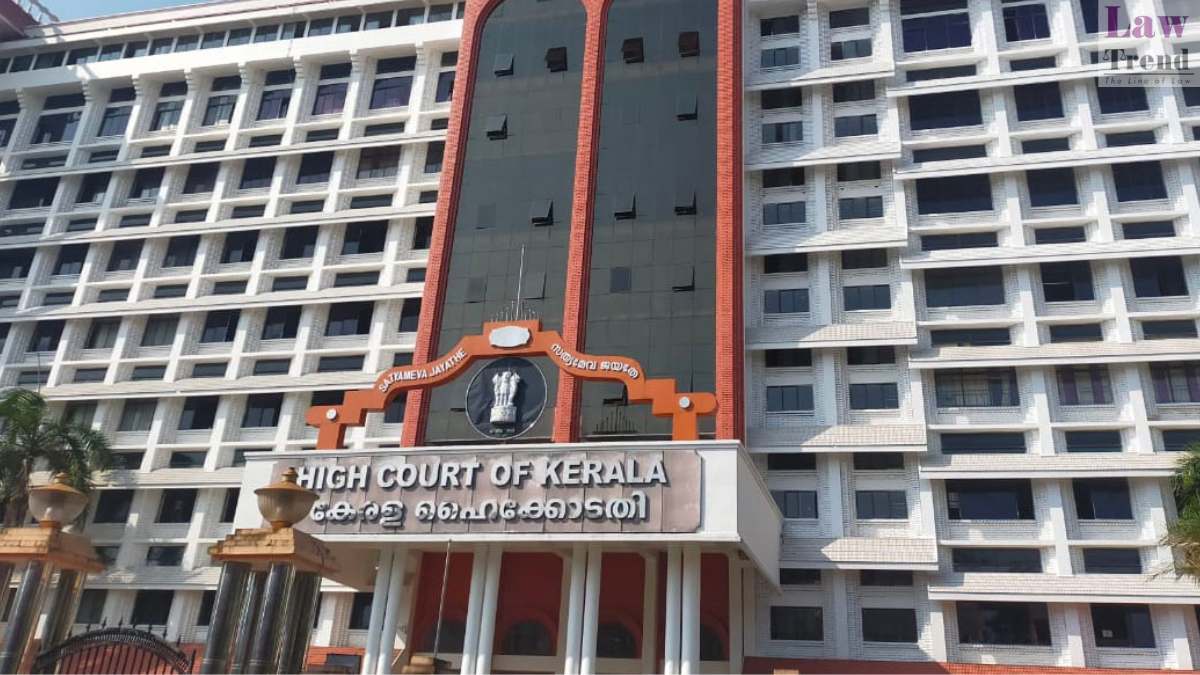
The Kerala High Court has cleared the way for an imprisoned municipal councillor from Thiruvananthapuram to be sworn into office inside Viyyur Central Prison, declaring that procedural shortcomings must not override the will of voters.
Justice P V Kunhikrishnan on Monday ordered authorities to facilitate the ceremony inside the correctional facility, ruling that unusual circumstances require extraordinary legal steps to protect democracy.
Jail Swearing-In Scheduled
The court directed the Superintendent of Viyyur Central Prison and Correctional Home to coordinate the oath-taking ceremony at 11:00 a.m. on Tuesday, July 14. To complete the legal procedures, the Thiruvananthapuram Mayor and a minimal number of municipal officials have been permitted to enter the jail. Additionally, accredited media representatives will be allowed to cover the event, which the court described as an essential element of the democratic system.
The ruling follows a petition from 43-year-old Sugathan R, who won the Ward 20 (Vazhottukonam) seat in the Thiruvananthapuram Municipal Corporation during the local body elections on December 9, 2025. Although he originally assumed office after taking an oath on December 21, 2025, a High Court ruling on June 24, 2026, invalidated the swearing-in of Sugathan and several other councillors for failing to comply with the Kerala Municipality Act.
Legal Hurdle and Preventive Detention
While the court had granted all affected councillors a four-week window to retake their oaths, Sugathan was subsequently placed under preventive detention under the Kerala Anti-Social Activities (Prevention) Act (KAAPA). The municipal corporation scheduled the makeup ceremony for July 14.
Sugathan had obtained interim bail in two pending criminal cases from the Judicial First Class Magistrate Court-II in Nedumangad to attend the ceremony. However, the KAAPA preventive detention order prevented his physical release, prompting him to petition the High Court for administrative arrangements to complete his statutory requirement.
State Agreement and Constitutional Arguments
During the proceedings, Director General of Prosecution T Asaf Ali argued against releasing the councillor, citing Article 22(3) of the Constitution, which restricts certain constitutional protections for preventive detainees. However, the state government informed the court that it was prepared to establish administrative facilities for the swearing-in inside the prison if instructed.
Before issuing the order, the court had requested the state to evaluate whether a prison-based ceremony was legally and logistically feasible, noting that Sugathan’s absence could disrupt the functioning of the local body.
Preserving the Electorate’s Mandate
In his decision, Justice Kunhikrishnan stated that the judiciary has a duty to defend democratic principles when administrative issues threaten to invalidate public elections. He emphasized that denying the elected representative an opportunity to take the oath would have serious consequences for local governance.
The judge added that the directives were issued to protect and strengthen the rule of law rather than undermine democratic norms. He emphasized that constitutional democracy is a structured process defined by established regulations and institutional integrity, rather than a simple majoritarian exercise.




