

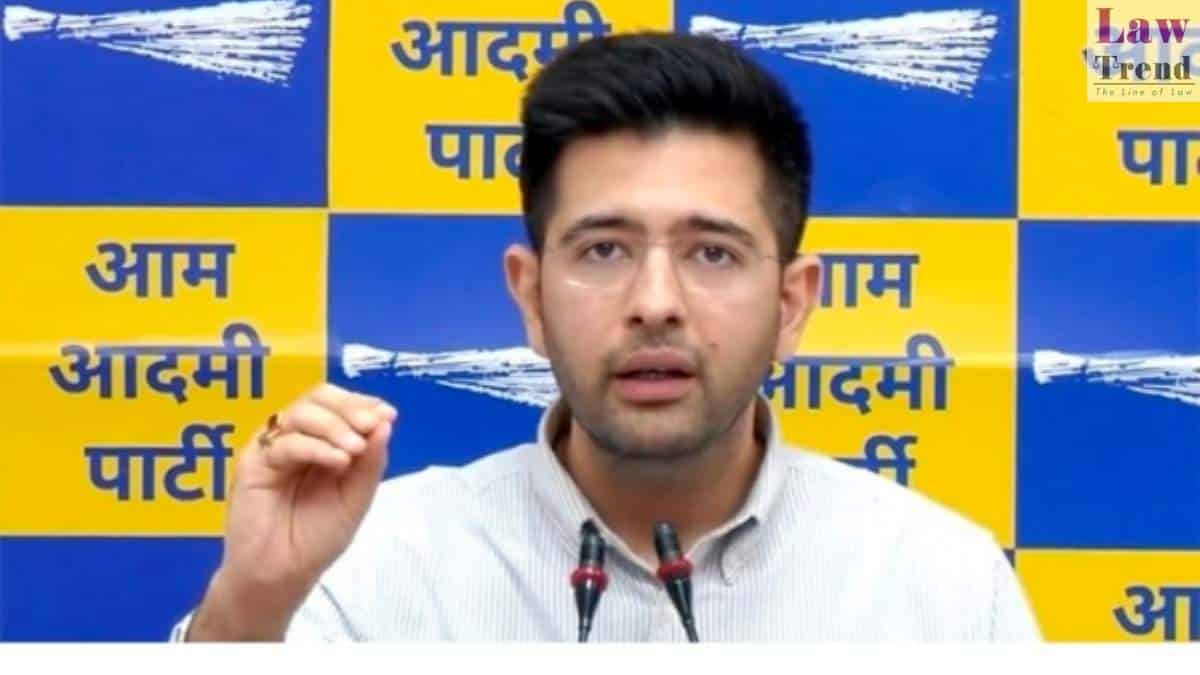
The Delhi High Court on Wednesday directed the removal of certain objectionable social media posts targeting Rajya Sabha Member of Parliament Raghav Chadha. However, the court declined to grant Chadha broader interim protection over his personality rights.
Delivering the interim decision, Justice Subramonium Prasad clarified that the matter did not involve personality rights. While the judge ordered the removal of specific targeted content, he noted that the remainder of the material was not defamatory on the face of it. A detailed written copy of the court order is still awaited.
Arguments Over AI And Deepfake Content
The ruling follows a petition filed by Chadha, who recently resigned from the Aam Aadmi Party to join the Bharatiya Janata Party. Chadha sought the immediate removal of online content targeting him, which he alleged was malicious, fabricated, and generated using artificial intelligence and deepfake technology.
In his plea, Chadha argued that the unauthorized use of AI to create and share manipulated media violated his legal and constitutional rights, causing severe damage to his reputation. The high court had reserved its decision on the interim relief on May 21 after hearing arguments from both sides.
Comparison With Previous Personality Rights Cases
By declining to grant broad interim relief, the court distinguished Chadha’s petition from other high-profile cases. Several prominent figures have previously successfully approached the Delhi High Court to protect their publicity and personality rights.
Past petitioners who secured interim relief from the court include actors Salman Khan, Abhishek Bachchan, and Aishwarya Rai Bachchan, as well as Andhra Pradesh Deputy Chief Minister Pawan Kalyan. Similar protections have also been granted to Art of Living founder Sri Sri Ravi Shankar, journalist Sudhir Chaudhary, and podcaster Raj Shamani.




