

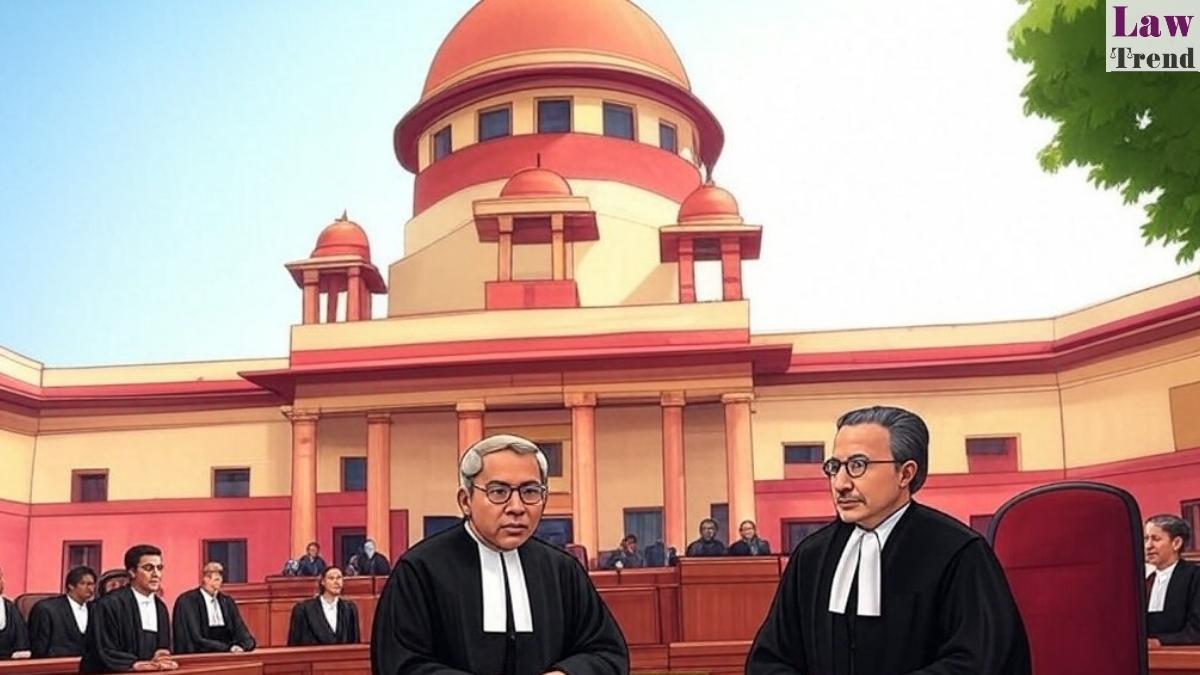
In a decisive move to address chronic judicial delays and bolster public confidence in the legal system, the Supreme Court of India has imposed a stringent procedural framework on High Courts nationwide. A bench led by Chief Justice of India (CJI) Surya Kant, alongside Justices Joymalya Bagchi and Vipin M Pancholi, has issued a series of directives requiring that judgments be pronounced within three months of being reserved.
The ruling marks the latest escalation in the top court’s ongoing effort to monitor judicial efficiency, which began in earnest in November 2025 when the Supreme Court ordered High Courts to report on their performance regarding judgment reservation and uploading timelines for all cases since January 31, 2025.
Establishing New Standards for Accountability
While the Court clarified that these mandates are “not an aspersion on any particular judge or court,” the intervention follows a specific grievance regarding the Jharkhand High Court, where a judgment finalized in December 2025 remained inaccessible to litigants months later.
To prevent such administrative lapses, the new protocols mandate:
- The Three-Month Rule: Judgments must be pronounced within three months of the verdict being reserved. If this deadline is missed, the Registrar General is required to escalate the matter to the High Court Chief Justice. A final two-week extension may be granted, but failure to comply thereafter requires the reallocation of the case to another bench.
- Accelerated Bail Protocols: Recognizing the urgency of personal liberty, the Court directed that bail application orders be pronounced on the same day—or at the absolute latest, the following day. These orders must be communicated to jail authorities immediately, with the goal of securing the release of undertrial prisoners within 24 to 48 hours of the grant of bail. Trial courts are now required to report their compliance to their respective High Courts.
- Transparency and Digital Reporting: Transparency is a cornerstone of the new order. The date a judgment is reserved must now be clearly displayed on the respective High Court’s website. Furthermore, while the operative part of a judgment may be delivered in open court, the full reasoning must be uploaded to the official portal within seven days.
Consequences for Delay
The Supreme Court has built “teeth” into these guidelines to ensure they remain more than just recommendations. If reasons for a judgment are not uploaded within 15 days of the operative order, litigants are permitted to file a formal application. Should the delay persist beyond 30 days, parties may move to withdraw the case and have it transferred to a different bench for a fresh hearing.
Feasibility and Implementation
During the hearing, CJI Surya Kant spoke from his own extensive experience on the High Court bench. Reflecting on his 15-year tenure, the CJI noted that he consistently maintained the three-month delivery standard, arguing that such timelines are both feasible and essential to the administration of justice.
In addition to these new rules, the Supreme Court continues to monitor previous directives, including the requirement that all certified copies of judgments clearly record three specific dates: the date of reservation, the date of pronouncement, and the date the text was uploaded to the website. Chief Justices of all High Courts have been tasked with overseeing the necessary digital infrastructure updates to ensure full compliance with these nationwide standards.




