

Mediation Cannot Be Thrusted Upon Unwilling Parties in Family Disputes Not Governed by Commercial Courts Act: Bombay High Court
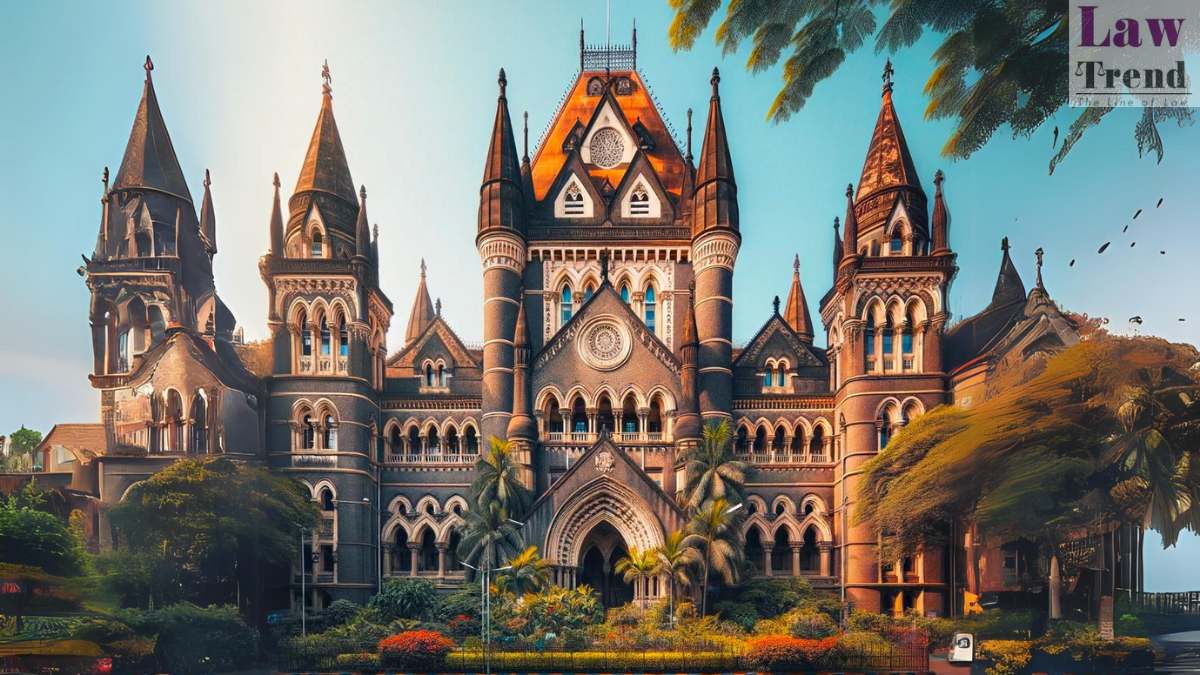

The High Court of Judicature at Bombay has held that parties in a civil suit, even if closely related, cannot be referred to mediation if one of them is unwilling. The court observed that while mediation is preferable in family disputes, the Mediation Act, 2023, and Section 89 of the Code of Civil Procedure (CPC) do not provide for mandatory mediation without the consent of all parties.

Justice Rajesh S. Patil, while dismissing a request by the Plaintiffs to refer the dispute to mediation, remarked: “The Mediation Act, 2023 does not provide for any mandatory mediation nor does it confer any power on the court to order mediation without consent of all parties.”

Background of the Case

The dispute pertains to a Suit filed in 2023 for specific performance of a family arrangement dating back to 1994. Plaintiff No. 1, Sugandha Hiremath, is the sister of Defendant No. 1, Babasaheb Neelkanth Kalyani, and Defendant No. 5, Gaurishankar Neelkanth Kalyani.

The family is embroiled in multiple litigations, including partition suits and probate petitions pending before the District Court, Pune, and other courts in Karad and Satara. During the hearing of an Interim Application filed by Defendant No. 1 under Order VII, Rule 11 of the CPC, the court suggested mediation given the close familial ties.

Arguments of the Parties

Plaintiffs’ Submissions: Senior Counsel Janak Dwarkadas, appearing for the Plaintiffs, argued that the court has the power to refer parties to mediation even without the consent of Defendant No. 1. He contended that even a “1% possibility” of success warrants a reference to mediation. He relied on several Supreme Court precedents, including Afcons Infrastructure Ltd. vs. Cherian Varkey Constructions and Mahendra Nath Soral vs. Ravindra Nath Soral, to support the view that the court should attempt to settle family disputes through ADR.

READ ALSO  Calcutta High Court Allows Paternity Test for Rape Accused to Prove Non-Access Claim

Defendant No. 1’s Submissions: Senior Counsel Dr. Virendra Tulzapurkar, representing Defendant No. 1, vehemently opposed the mediation proposal. He informed the court that past mediation attempts, including one directed by the Supreme Court involving a renowned mediator, had failed. He further alleged that the Plaintiffs’ desire for settlement was not genuine, noting that they continued to proceed with hearings in other forums and that recent court suggestions regarding mediation were leaked to the media, causing embarrassment and concern among investors.

Court’s Analysis

The court analyzed the legislative framework governing mediation in India, specifically looking at the Mediation Act, 2023, Section 89 of the CPC, and Section 12-A of the Commercial Courts Act, 2015.

READ ALSO  यह दो युवा व्यक्तियों के बीच प्रेम का मामला है: बॉम्बे हाईकोर्ट ने POCSO मामले में आरोपी को जमानत दी

1. Voluntary Nature of Mediation: The court noted that while Section 12-A of the Commercial Courts Act makes pre-institution mediation mandatory for commercial suits, no such compulsion exists for regular civil suits. Referring to Section 5 of the Mediation Act, 2023 (though not yet fully notified), the court highlighted the phrase “may voluntarily and with mutual consent,” indicating the legislative intent to keep mediation a consensual process.

2. Judicial Precedents: The court cited the Supreme Court’s recent decision in Rupa and Co. Ltd. & anr. vs. Firhad Hakim & ors. (2025), which held: “Mediation cannot be thrusted upon either of the parties.” The court distinguished older cases cited by the Plaintiffs, noting they were decided before the 2023 amendments to the CPC and the enactment of the Mediation Act.

3. Past Failures and Lack of “Elements of Settlement”: Justice Patil observed that for a court to refer a matter to mediation under Section 89 of the CPC, it must first be satisfied that there exist “elements of a settlement which may be acceptable to the parties.” In this case, the court found no such elements, especially given the history of failed mediations and the failure of parties to even exchange a concrete settlement proposal during the pendency of the current application.

The Decision

Concluding that there was no possibility of settlement, the court rejected the Plaintiffs’ request. The court noted: “In the light of the above analysis, in my view, I have no doubt that there does not exist any possibility of settlement through mediation between the parties.”

The matter will now proceed on its merits.

Case Details

Case Title: Sugandha Hiremath & Anr. v. Babasaheb Neelkanth Kalyani & Ors.

READ ALSO  Prosecution Cannot Delay Trial by Insisting on Summoning New Accused First: Supreme Court Upholds Acquittal

Case No.: Interim Application No. 5241 of 2025 in Suit No. 250 of 2023

Bench: Justice Rajesh S. Patil

Date: 04 May, 2026

Law Trend
Law Trendhttps://lawtrend.in/
Legal News Website Providing Latest Judgments of Supreme Court and High Court

Related Articles

Latest Articles

