

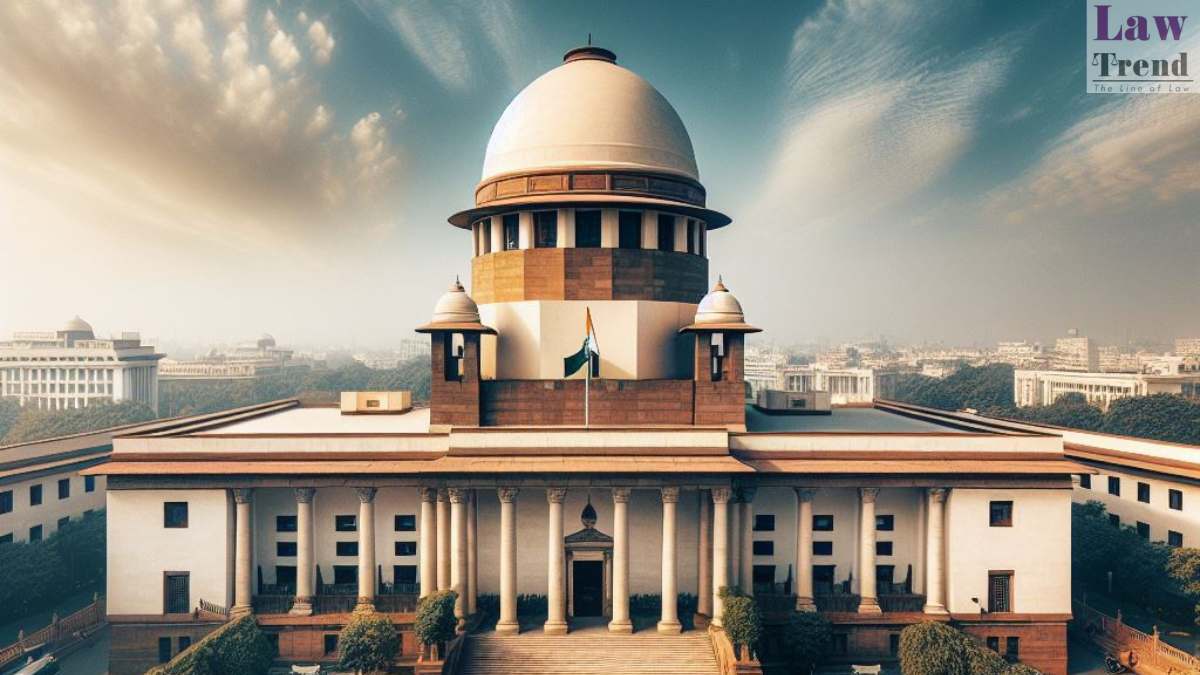
In a significant move to overhaul the adjudication of anti-terror cases, the Supreme Court of India on Tuesday directed 17 states to ensure that dedicated National Investigation Agency (NIA) courts endeavor to complete trials under the Unlawful Activities (Prevention) Act (UAPA) within a one-year timeframe.
A bench comprising Chief Justice Surya Kant and Justice Joymalya Bagchi emphasized the need for day-to-day hearings and specialized infrastructure to tackle the backlog of high-stakes security cases. The court specified that states with more than 10 pending NIA cases must establish dedicated courts and appoint presiding officers in consultation with the Chief Justices of their respective High Courts.
The apex court laid out a rigorous expectation for the pace of these proceedings. While acknowledging that complex matters might occasionally exceed a month, the bench stated, “We are expecting that, on average, one NIA case is concluded in a month.” To achieve this, the court mandated the appointment of dedicated special public prosecutors.
The 17 states under the scanner include Delhi, Gujarat, Maharashtra, Karnataka, and Tamil Nadu. Representatives for Karnataka and Tamil Nadu confirmed during the hearing that they currently exceed the 10-case threshold, triggering the requirement for additional dedicated infrastructure.
The court highlighted a shift in the funding model to ensure these courts are not stalled by state-level budget constraints. The Centre has committed to a one-time grant of ₹1 crore for non-recurring expenditure and an annual recurring grant of ₹1 crore per exclusive NIA court.
Chief Justice Kant pointedly addressed the failures of traditional “matching grant” formulas (where the Centre pays 60% and states pay 40%).
“Many a time, it is not feasible as some states are revenue-deficient and some have other priorities,” the CJI observed. “As a result, the 60 per cent grant of the Centre meant for creating judicial infrastructure is also not utilised or, thanks to bureaucrats, it is misutilised. The judiciary is facing hardship in many states due to a lack of infrastructure.”
Beyond terror-related charges, the Supreme Court encouraged states to apply this “dedicated court” model to other heinous offences, such as those under the Narcotic Drugs and Psychotropic Substances (NDPS) Act and the Maharashtra Control of Organised Crime Act (MCOCA).
Additional Solicitor General SD Sanjay, representing the Delhi government, informed the bench that 15 such special courts are nearing operational status on the second floor of the Rouse Avenue court complex. These facilities are expected to be ready by April 2026, with judicial officers from the Delhi Higher Judicial Service already identified to preside over them.
To ensure the effectiveness of these specialized roles, the Supreme Court issued notices to all High Courts to create a “special mechanism” for the Annual Confidential Reports (ACRs) of the presiding officers. The bench noted that the performance of judges in these high-intensity, specialized roles should not be evaluated through traditional metrics.
The proceedings follow an initial notice issued on February 10, sparked by a status report from the Union Home Ministry regarding the stagnation of anti-terror trials across the country.




