

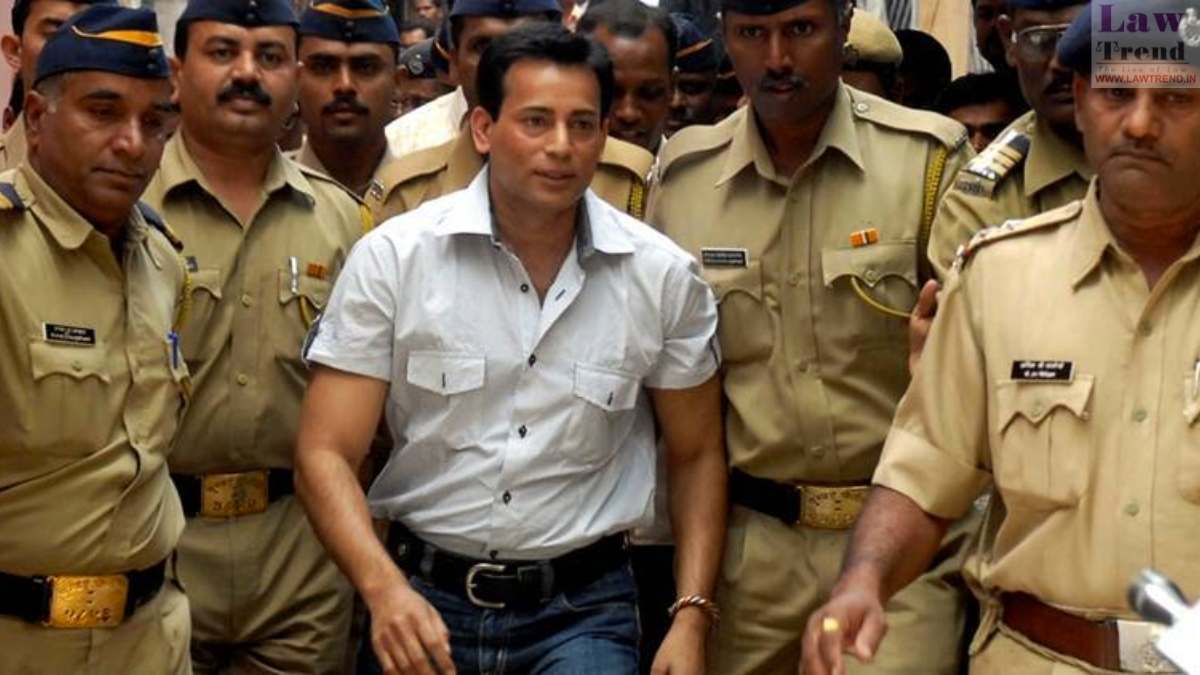
The Maharashtra government has strongly opposed gangster Abu Salem’s petition seeking 14 days’ parole, warning the Bombay High Court that his release could jeopardize India’s diplomatic assurances to Portugal and pose a grave risk of absconding.
In an affidavit filed before a bench of Justices A S Gadkari and Shyam Chandak, the state government contended that Salem, extradited from Portugal under strict conditions, is likely to flee if allowed out of custody even temporarily.
“He had fled the country after the 1993 bomb blasts. If parole is granted now, there is every likelihood he will abscond again,” the affidavit submitted by Inspector General (Prisons) Suhas Warke stated.
The state suggested that at best, Salem could be granted two days of emergency parole, with the travel time included in those days.
The plea for parole was made on humanitarian grounds following the death of Salem’s elder brother, Abu Hakim Ansari, in November 2025. Salem claimed he had applied for 14 days of parole to attend the last rites and related ceremonies but his application was rejected by the jail authorities on November 20.
The Central Bureau of Investigation (CBI), which is the prosecuting agency in several of Salem’s cases, also appeared during the hearing and urged the High Court to implead it as a respondent. The agency submitted that Salem’s release could trigger law and order issues.
The High Court scheduled the next hearing on January 28.
The state government reminded the court that Salem was extradited from Portugal in 2005 under a treaty that involved specific assurances. Any violation of those conditions, including absconding, could strain diplomatic relations.
“The Government of India is under an obligation to stick to the conditions and assurances given to the Government of Portugal,” the affidavit noted.
It added that Salem had earlier been convicted in Portugal for travelling on a forged passport and was arrested in Lisbon before being extradited.
The state also cited an adverse report from the Uttar Pradesh Police regarding Salem’s intended destination — Saraymir in Azamgarh — terming it a communally sensitive area. Based on this report, and given his criminal background, the state rejected his parole request.
Abu Salem has been serving life sentences in connection with the 1993 Mumbai serial bomb blasts and other criminal cases. Since his arrest in 2005, he has remained in custody and was previously granted parole only on two occasions — following the deaths of his mother and stepmother.


