

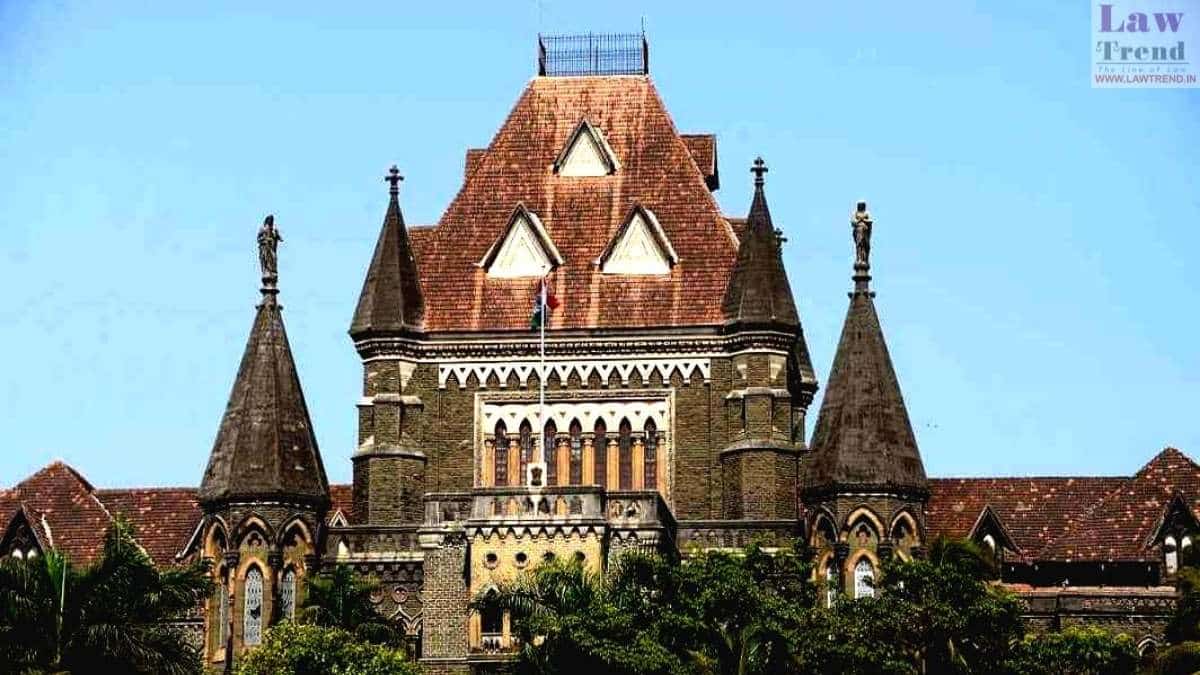
The Bombay High Court on Tuesday asked the Union government to respond to a plea filed by the mother of an Agniveer who was killed in cross-border shelling in Jammu and Kashmir, challenging the denial of pension and other benefits granted to families of regular soldiers who die in the line of duty.
A bench headed by Justice Ravindra Ghuge issued notice to the Ministry of Defence on the petition filed by Jyotibai Naik, mother of Agniveer Murali Naik, and scheduled the matter for further hearing on January 15. The plea questions the distinction drawn under the Centre’s Agnipath scheme between Agniveers and regular soldiers when it comes to posthumous benefits.
Murali Naik was killed on May 9 in Poonch district during heavy artillery and mortar shelling by the Pakistan Army amid Operation Sindoor. The military operation was launched by India in response to the April terror attack in Pahalgam that claimed the lives of 26 people, mostly tourists. Naik had been recruited into the Indian Army in June 2023 under the Agnipath scheme.
In her petition, Jyotibai Naik contended that Agniveers perform the same operational duties and face identical risks as regular soldiers, particularly in active combat zones, but their families are denied long-term welfare measures such as family pension. The plea describes this differential treatment as arbitrary and discriminatory, arguing that it violates fundamental rights.
The petition points out that while the family of a martyred Agniveer receives an ex-gratia payment of about Rs 1 crore, they are not entitled to a regular family pension or other continuing benefits available to families of permanent soldiers. It seeks directions to the Centre to ensure equal posthumous benefits, including pension, institutional recognition and welfare measures, for Agniveers who die while in service. It also asks the authorities to specifically consider extending such benefits to Naik’s family.
According to the petition, after her son’s death, Jyotibai Naik wrote to multiple authorities requesting parity in benefits, but received no response. While the plea does not challenge the Agnipath scheme as a whole, it argues that the scheme creates an unreasonable classification between Agniveers and regular soldiers without any intelligible basis, despite the similarity in duties and dangers faced.
The Agnipath scheme was introduced by the Centre in 2022 to induct personnel into the Army, Navy and Air Force on short-term contracts. Under the scheme, Agniveers aged between 17-and-a-half and 21 years are recruited for a four-year period, with only 25 per cent retained for a further 15 years. The policy aims to reduce the average age of the armed forces, but has also sparked legal and policy debates over service conditions and post-service entitlements.
The High Court will consider the Centre’s response when the matter comes up for hearing next month.




