

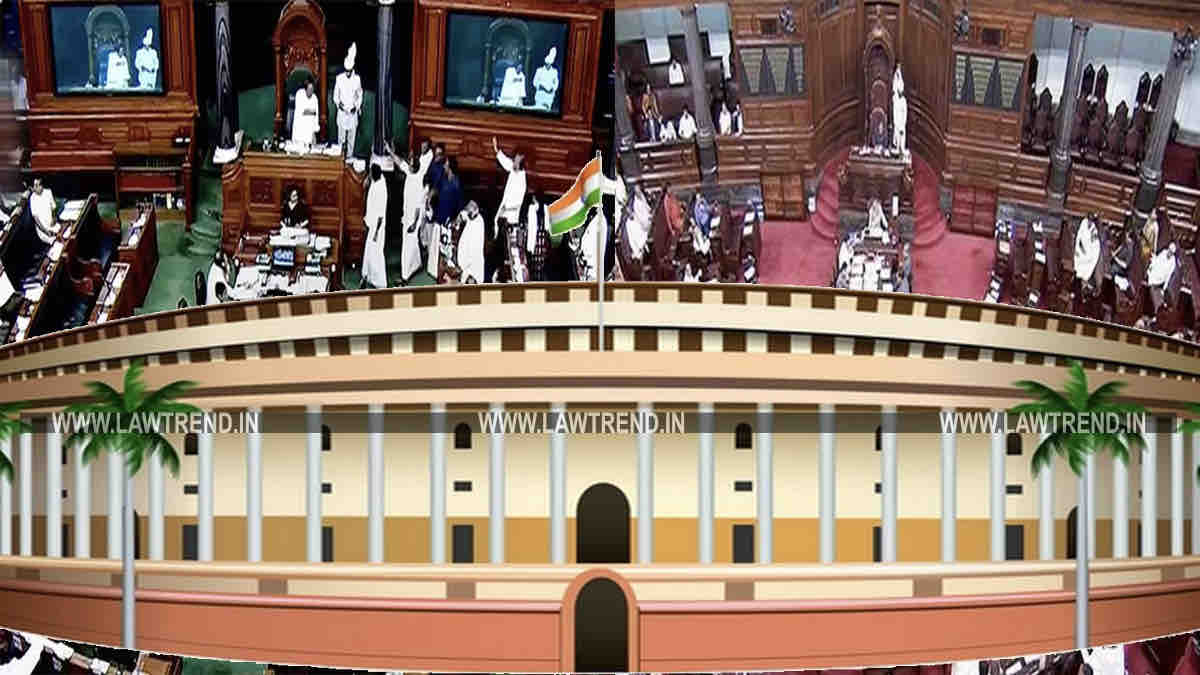
In a major legislative push aimed at restoring integrity to India’s competitive examination system, the Union Cabinet has approved a new draft bill to significantly tighten penalties against examination paper leaks and test-related fraud.
The proposed legislation, which amends and strengthens the existing Public Examinations (Prevention of Unfair Means) Act, 2024, introduces mandatory fast-track courts, higher monetary fines, and longer prison terms for offenders. The government is expected to introduce the bill in Parliament during the ongoing Monsoon session.
Key Provisions of the Proposed Legislation
The Cabinet-approved measure targets organised syndicates, compromised service providers, and individuals involved in leaking question papers or facilitating unfair means during national-level entrance and recruitment examinations.
- Mandatory Fast-Track Courts: The draft bill mandates the creation of dedicated fast-track special courts across states to ensure time-bound investigation and trial of paper leak cases.
- Enhanced Penal Fines: Service providers and testing agencies found complicit in examination malpractices face hefty financial penalties up to ₹1 crore, along with potential recovery of exam administration costs.
- Stricter Imprisonment Terms: Building upon the 2024 Act’s existing provisions of 3 to 10 years in prison, the new bill proposes extended jail sentences across multiple sections for organized paper leak kingpins.
- Non-Bailable Offence: Fraudulent acts related to major entrance tests conducted by bodies such as the National Testing Agency (NTA), Union Public Service Commission (UPSC), and Staff Selection Commission (SSC) remain non-bailable and non-compoundable.
PM Modi’s Address and Government Crackdown
The Cabinet’s decision follows a midnight video address by Prime Minister Narendra Modi, who reassured students and parents that the government was committed to taking the strictest possible measures against perpetrators of examination fraud.
“This is not an ordinary issue; it is a painful moment for millions of students and their parents,” Prime Minister Modi stated, emphasizing that fast-track courts and harsher penalties would ensure swift justice.
As an immediate administrative measure following the Prime Minister’s direction, the Delhi High Court designated a Special Fast-Track Court at the Rouse Avenue Court Complex in New Delhi specifically to try offences under the Public Examinations Act.
The legislative move also follows top-level administrative reshuffles within the Education Ministry, including the transfer of Higher Education Secretary Vineet Joshi and the appointment of Naresh Pal Gangwar to oversee exam reforms and administration.
Context: Nationwide Protests and Student Demands
The government’s legislative push comes against the backdrop of sustained, nationwide protests over alleged paper leaks and irregularities in the NEET-UG examination.
Youth organizations and student groups—most prominently the Cockroach Janta Party (CJP)—have been demonstrating at Delhi’s Jantar Mantar and marching toward Parliament, demanding fundamental structural reforms in the national testing mechanism.
Key Demands Raised by Agitating Groups:
- Ministerial Accountability: The immediate resignation of Union Education Minister Dharmendra Pradhan.
- Compensation: Financial compensation for the families of aspirants who suffered severe mental distress or died by suicide amid the exam uncertainty.
- Legal Relief: Amnesty and the unconditional withdrawal of police cases and FIRs registered against peaceful student protestors.
- Comprehensive Exam Security: Structural overhauls to the National Testing Agency (NTA) to prevent technological and logistical vulnerabilities.
While government representatives—including Union Ministers JP Nadda and Jitendra Singh—have held initial discussions with student representatives regarding compensation and the withdrawal of police cases, student groups have maintained that their demand for political accountability remains non-negotiable.
With the bill scheduled for introduction in Parliament early next week, lawmakers from both the treasury and opposition benches are set to debate the efficacy of harsher penal measures versus systemic administrative reforms.
While the Centre views fast-track courts and expanded penalties as vital deterrents, student advocates and educational experts stress that rebuilding public trust will require end-to-end transparency in question paper distribution, robust digital infrastructure, and complete accountability across testing agencies.


