

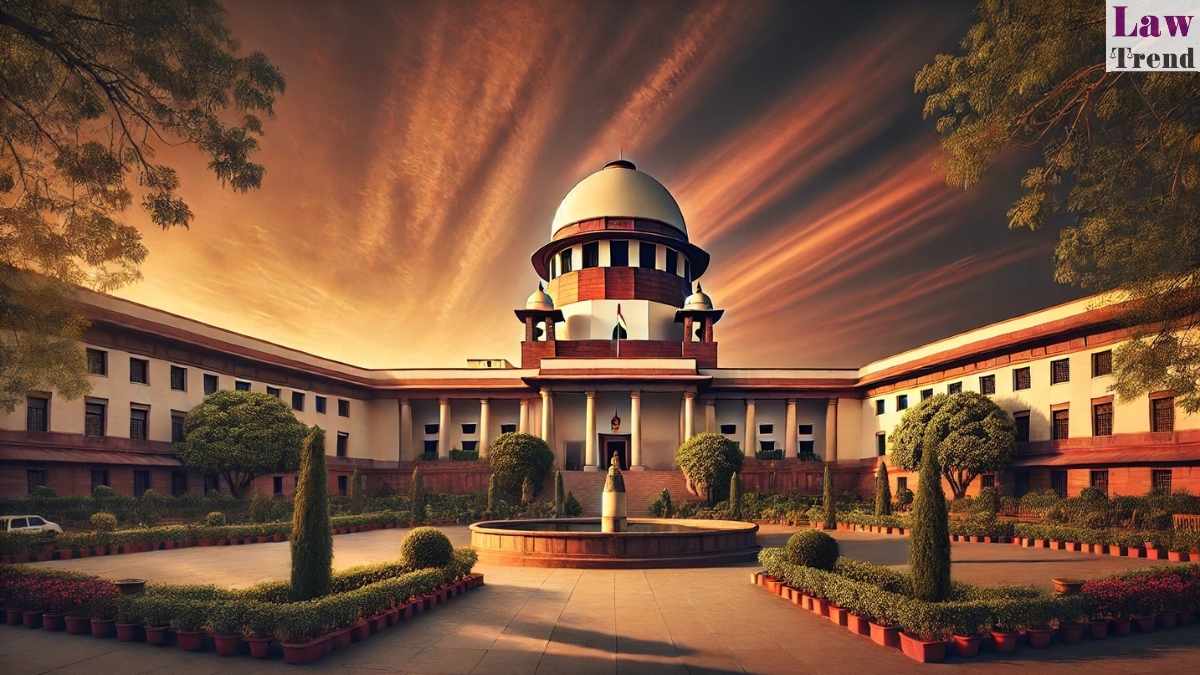
In a significant development for the Indian music industry’s legal landscape, the Supreme Court of India on Monday allowed a petition by Sony Music Entertainment to transfer a copyright suit involving legendary composer Ilaiyaraaja from the Madras High Court to the Bombay High Court.
The decision, delivered by a bench comprising Justice Sanjay Kumar and Justice Vinod K Chandran, effectively consolidates the legal battle in Mumbai, where a prior suit related to the same musical works is already pending.
The legal tussle centers on the rights to 536 musical works composed by the maestro, who has a career spanning five decades and over 7,000 songs. Sony Music Entertainment India claims it acquired the rights to these compositions through agreements with Oriental Records and Echo Recording—entities that have been in long-standing litigation with Ilaiyaraaja.
Sony had originally moved the Bombay High Court in 2022, seeking an injunction to restrain Ilaiyaraaja Music N Management Pvt Ltd from using these specific works. In response, the composer’s firm had instituted a separate copyright dispute in the Madras High Court.
During the proceedings, Senior Advocate Abhishek Manu Singhvi, appearing for Sony, argued that since the initial suit was already being heard in the Bombay High Court, the subsequent matter in Madras should be transferred to ensure judicial consistency and avoid conflicting orders.
Senior Advocate Kapil Sibal, representing Ilaiyaraaja, objected to the transfer, challenging the jurisdiction of the Bombay High Court over the matter.
However, Justice Sanjay Kumar noted that the respondents had previously failed to seek relief against the institution of the suit in Bombay. The bench further observed that the musician’s firm appeared to be attempting to relitigate issues that were already being addressed in the Mumbai proceedings.
This is not the first time the composer has faced a setback regarding the venue of this litigation. On July 28 last year, the court dismissed a plea by Ilaiyaraaja that sought the reverse—transferring the dispute from Bombay to Madras. At that time, the bench noted that the company had legitimately purchased the rights and the ongoing dispute remained within the jurisdiction of the court where the first suit was filed.
With the Supreme Court’s latest order, the Madras High Court suit will now move to Mumbai, bringing all related legal arguments regarding the 536 musical works under a single judicial umbrella.




