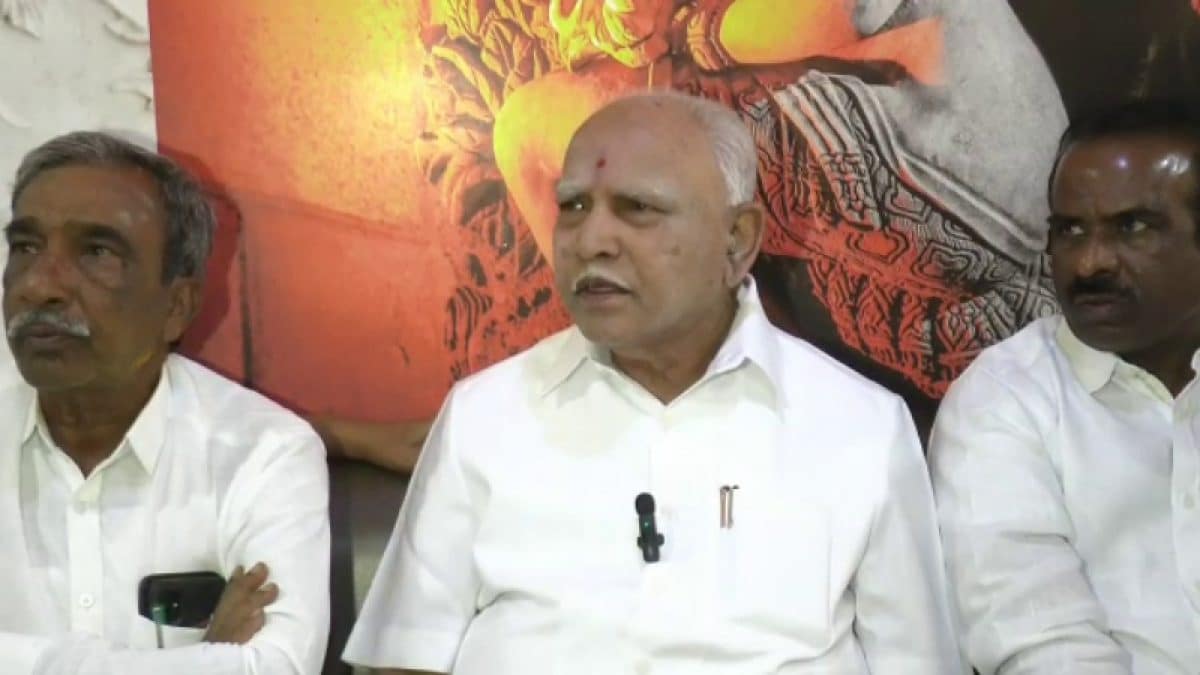
The Supreme Court on Tuesday stayed the trial proceedings against former Karnataka Chief Minister B.S. Yediyurappa in a case registered under the Protection of Children from Sexual Offences (POCSO) Act.
A Bench comprising Chief Justice of India Surya Kant and Justice Joymalya Bagchi passed the interim order while hearing a Special Leave Petition filed by the senior BJP leader challenging the Karnataka High Court’s refusal to quash the criminal proceedings against him.
The Apex Court issued a notice to the State of Karnataka and the private respondent (complainant). The notice is limited to the specific legal question of whether the matter should be sent back (remanded) to the High Court for a fresh decision on the merits of the quashing petition.
Background of the Case
The case stems from a complaint filed on March 14, 2024, by the mother of a 17-year-old girl. The complainant, who has since passed away due to illness, alleged that the former Chief Minister had sexually assaulted her daughter when they visited his residence in Bengaluru on February 2, 2024, to seek assistance.
Based on the complaint, the Sadashivanagar police registered an FIR under Section 8 of the POCSO Act (sexual assault) and Section 354A of the Indian Penal Code (sexual harassment). The investigation was later transferred to the Criminal Investigation Department (CID), which filed a chargesheet.
The legal trajectory of the case has been complex:
- July 4, 2024: The Fast Track Special Court took cognisance of the offences.
- February 7, 2025: The Karnataka High Court set aside the initial cognisance order on technical grounds and remitted the matter back to the trial court, while keeping the investigation report intact. The High Court granted liberty to the petitioner to raise objections before the trial court.
- February 28, 2025: The Special Court passed a fresh order taking cognisance of the offences and issued summons to Yediyurappa.
- November 13, 2025: The Karnataka High Court rejected Yediyurappa’s petition seeking to quash the fresh cognisance order and the entire proceedings. The High Court held that in light of the earlier decision, the petition could not be heard on merits again.
Aggrieved by this dismissal, the 82-year-old leader moved the Supreme Court.
Arguments Before the Supreme Court
Senior Advocates Sidharth Luthra and Siddharth Dave, appearing for B.S. Yediyurappa, argued that the High Court had failed to exercise its jurisdiction under Section 482 of the CrPC (now BNSS) to consider the quashing petition on its merits.
Mr. Luthra submitted that the High Court had “ignored key evidence” and failed to consider statements from witnesses present at the residence which suggested that “nothing as such happened” during the alleged incident. He contended that the prosecution had suppressed certain crucial statements.
“He has been Chief Minister four times. The allegations are politically motivated,” Mr. Luthra argued, emphasizing that the High Court erroneously refused to look into the merits of the case by citing the previous remand order.
Court’s Observations and Analysis
During the hearing, Chief Justice Surya Kant observed that the High Court appeared to have misconstrued its previous order dated February 7, 2025.
The Bench noted that the High Court proceeded on the assumption that because the matter was previously remanded to the trial court, the fresh petition for quashing could not be heard on merits. The Supreme Court indicated that the liberty granted to the petitioner in the earlier round of litigation included the right to challenge the proceedings if fresh cognisance was taken.
Regarding the submission on factual evidence and witness statements, the CJI remarked, “How can you compel the High Court to hold a mini-trial?” suggesting that while the High Court cannot conduct a trial, it must legally assess whether a case for quashing is made out based on the record.
Decision
The Supreme Court passed the following directions:
- Stay on Trial: The Court ordered that the trial proceedings pending before the Fast Track Special Court in Bengaluru shall remain stayed until further orders.
- Notice Issued to Parties: The Bench issued notice to the opposing parties—specifically the State of Karnataka and the complainant—seeking their reply.
- Limited Scope of Hearing: The Court clarified that the notice is issued for the “limited purpose” of deciding whether the case should be remanded back to the Karnataka High Court so that it can decide the quashing petition afresh on its merits.
The matter will be listed for further hearing after the respondents file their replies.