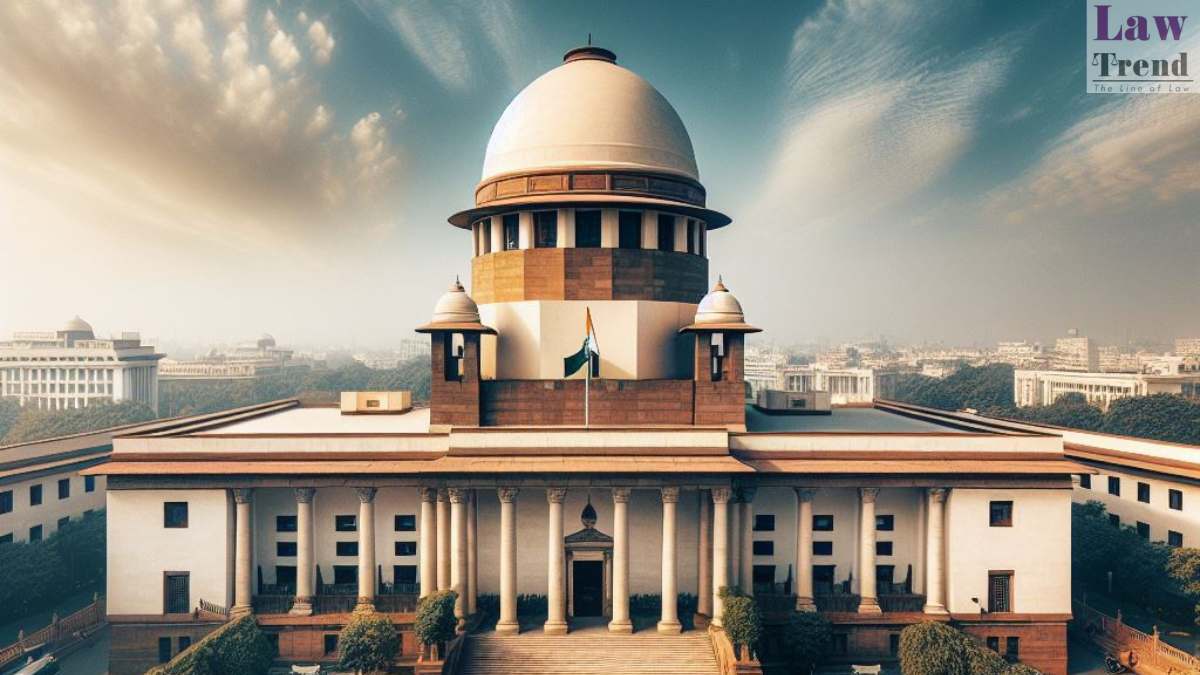
The Supreme Court on Friday issued notice to the Union government on a fresh petition challenging a provision of the Digital Personal Data Protection Act, 2023, which allegedly restricts the disclosure and use of personal data obtained under the Right to Information (RTI) Act. A bench comprising Chief Justice Surya Kant and Justice Joymalya Bagchi tagged the plea with other pending petitions raising similar constitutional questions.
The petition has been filed by Anjali Bhardwaj and Amrita Johri, who have sought a declaration that provisions of the Digital Personal Data Protection (DPDP) Act, 2023 should not apply to the processing, analysis, dissemination, or republication of personal data accessed under the Right to Information Act, 2005.
The petitioners have also asked the court to clarify that the 2023 data protection law should not restrict the processing of personal data carried out in the public interest. This, according to the plea, includes disclosures made by individuals exposing corruption, misuse of public office, or the commission of an offence.
A key challenge in the plea concerns Section 44 of the DPDP Act, which amends a clause of Section 8 of the RTI Act. The petition argues that the amendment is unconstitutional and violates Articles 14 and 19 of the Constitution, as it allegedly “impermissibly curtails the fundamental right to information.”
After hearing preliminary submissions, the bench issued notice to the Centre and scheduled the matter for further consideration on March 23.
The development comes a day after the Supreme Court sought the Union government’s response on another petition challenging several provisions of the DPDP Act, 2023. That petition seeks directions to the Centre to introduce a clear and proportionate exemption under the law and the Digital Personal Data Protection Rules, 2025 for journalistic, editorial, investigative, and public interest reporting. It also calls for protection of journalistic sources.
Earlier, on February 16, the apex court had agreed to examine a batch of petitions questioning the constitutional validity of various provisions of the 2023 Act. However, the court declined to grant an interim stay on the law at that stage.
The bench had observed that it would not stall a legislative framework introduced by Parliament through an interim order without first hearing the matter in detail.