

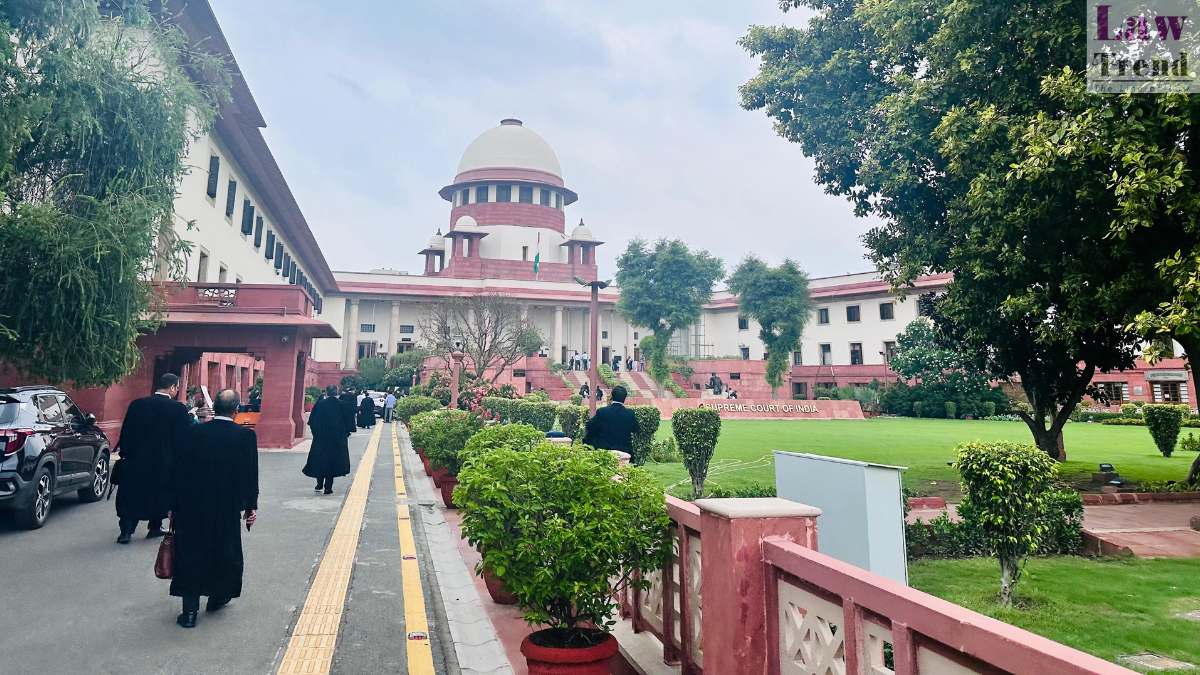
The Supreme Court of India has raised serious concerns over the growing trend of states announcing “irresponsible” freebies, warning that such populist measures could severely strain public finances and derail the nation’s economic development. The apex court specifically pulled up the Tamil Nadu government for its last-minute announcement of a free electricity scheme, questioning the fiscal logic and timing behind the decision.
Arbitrary Decisions and Fiscal Planning
While hearing a matter related to electricity subsidies, a bench of the Supreme Court observed that many Indian states are already grappling with significant revenue deficits. The court questioned how these governments could justify large-scale subsidy commitments without any prior fiscal planning or budgetary provisions.
The bench noted that sudden policy shifts create an environment of “arbitrariness” and disrupt established regulatory processes. According to the court, if such subsidies are to be granted, they must be announced well in advance so that the relevant authorities can account for the financial impact.
Impact on Power Distribution Companies (DISCOMs)
A primary focus of the court’s criticism was the impact of these “last-minute” schemes on power distribution companies (DISCOMs). The bench pointed out that bodies such as the Appellate Tribunal for Electricity and the DISCOMs themselves are tasked with the complex job of determining tariffs and maintaining financial stability.
“Had the subsidy been announced in advance, DISCOMs could have factored it into tariff planning and financial projections,” the court remarked.
The eleventh-hour announcement by the Government of Tamil Nadu reportedly left DISCOMs scrambling to adjust their budget calculations and tariffs. The court emphasized that such administrative chaos makes it nearly impossible for distribution firms to accurately price electricity or ensure the long-term health of the power sector.
Warning on Economic Development
The Supreme Court warned that unchecked largesse by state governments could have a cascading effect on the broader economy. By prioritizing short-term political gains over fiscal discipline, states risk hampering the nation’s overall growth trajectory.
The court has sought an explanation from the Tamil Nadu government regarding the specific circumstances under which the free-electricity scheme was introduced and how it plans to reconcile the scheme with the state’s existing financial obligations.




