

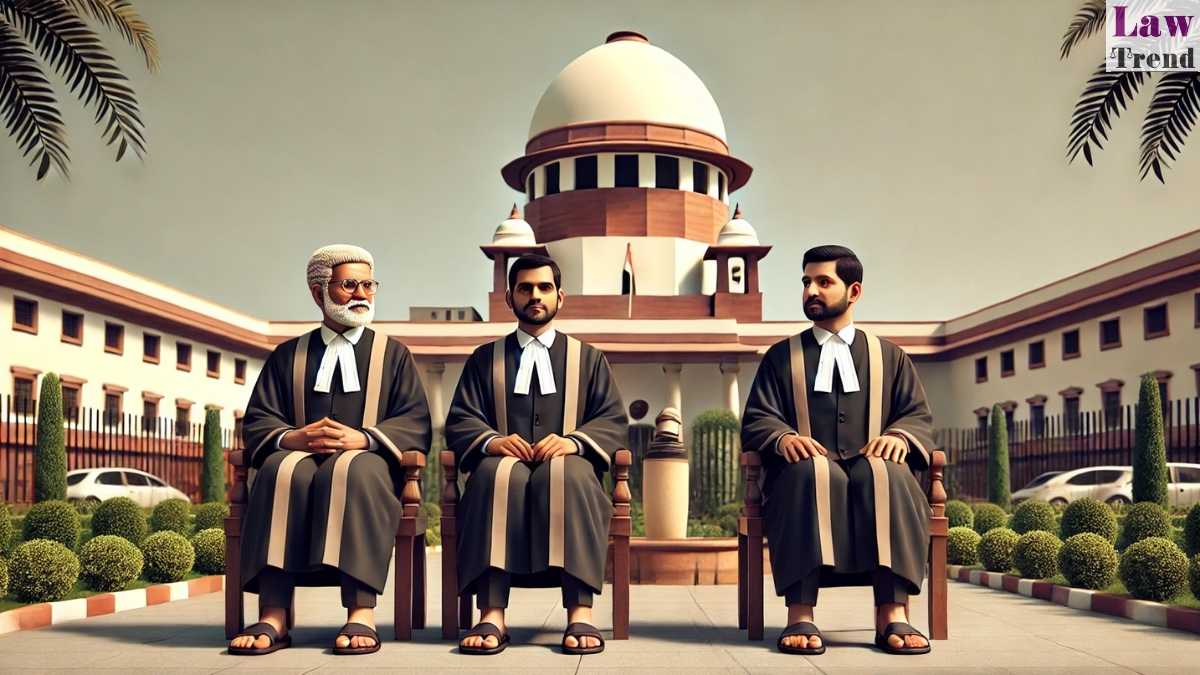
The year 2026 is poised to be a significant period of transition for the Supreme Court of India, with five sitting judges scheduled to demit office upon attaining the age of superannuation. These retirements will necessitate timely appointments to maintain the apex court’s sanctioned judicial strength and ensure the smooth delivery of justice.
As of December 2025, the sanctioned strength of the Supreme Court stands at 34 judges, including the Chief Justice of India. The impending vacancies in 2026 will bring the focus back to the Supreme Court Collegium and the Central Government regarding the swift filling of posts to prevent any backlog accumulation.
Five Judges Set to Retire in 2026
The retirements are spread across the year, beginning in April and concluding in November. The judges retiring in 2026, along with their parent High Courts and dates of retirement, are as follows:
- Justice Rajesh Bindal
- Date of Retirement: 15 April 2026
- Parent High Court: Punjab & Haryana High Court
- Justice Pankaj Mithal
- Date of Retirement: 16 June 2026
- Parent High Court: Allahabad High Court
- Justice Jitendra Kumar Maheshwari
- Date of Retirement: 28 June 2026
- Parent High Court: Madhya Pradesh High Court
- Justice Sanjay Karol
- Date of Retirement: 22 August 2026
- Parent High Court: Himachal Pradesh High Court
- Justice Satish Chandra Sharma
- Date of Retirement: 29 November 2026
- Parent High Court: Madhya Pradesh High Court
Impact on Judicial Strength and Proceedings
The retirement of five judges within a span of eight months is a notable development for the Supreme Court. Given the high volume of cases listed daily before the top court, maintaining full strength is critical for operational efficiency.
The Task Before the Collegium: With these upcoming vacancies, the Supreme Court Collegium is expected to be active throughout 2026. The process of recommending new names often begins in advance of the actual vacancies to ensure a seamless transition. Legal experts note that timely recommendations and subsequent clearances by the Central Government will be crucial to avoiding a drop in the effective working strength of the court.
Regional Representation: The retiring judges represent key parent High Courts, including Allahabad, Punjab & Haryana, Madhya Pradesh, and Himachal Pradesh. Their superannuation will likely influence the Collegium’s considerations regarding regional representation and diversity when selecting their successors. Maintaining a balanced representation from various High Courts across the country remains a key convention in appointments to the Supreme Court.
Significance for the Justice Delivery System
For the litigants and the general public, the primary concern remains the speed and efficiency of the judicial process. A fully staffed Supreme Court is better equipped to handle the heavy caseload, reduce pendency, and ensure faster hearings.
The year 2026 will essentially be a test of the appointment mechanism’s agility. How quickly these five vacancies are filled will determine the court’s ability to maintain its momentum in disposing of cases and delivering justice without delay.




