

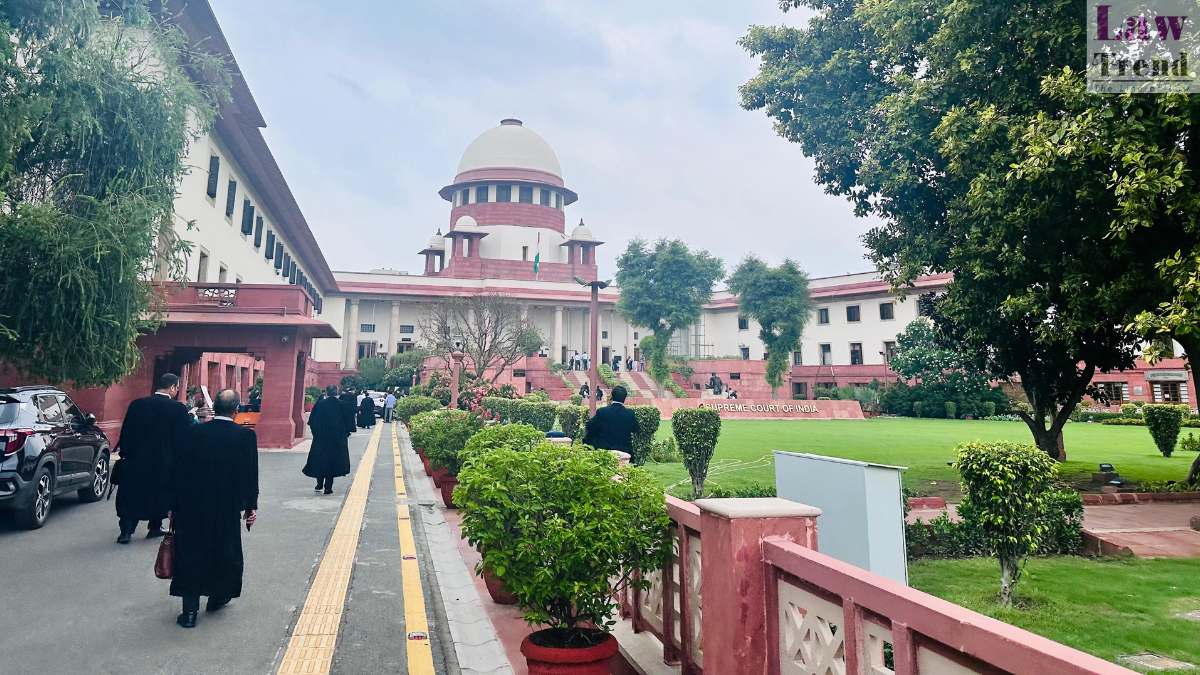
The Supreme Court of India has asked the Central Government to consider whether military cadets who are medically boarded out due to disabilities sustained during training can be granted “ex-servicemen” status. Such a designation would allow these individuals to access reservation benefits in government and semi-government employment, providing a critical safety net for those whose military careers were cut short before they could be commissioned.
A bench comprising Justices B.V. Nagarathna and Ujjal Bhuyan observed that a significant majority of these cadets are in their 20s or 30s and require stable employment after being discharged on medical grounds. The court was hearing a suo motu case initiated to address the systemic difficulties faced by cadets from premier institutes like the National Defence Academy (NDA) and the Indian Military Academy (IMA).
The bench highlighted the vulnerability of young trainees who enter rigorous programs only to face life-altering injuries.
“During the course of submissions, one of the aspects that was discussed was as to whether the boarded-out cadets could also be considered as ex-servicemen or ex-military personnel for the purpose of having the benefit of reservation for such persons in various governmental and semi-government jobs and posts,” the bench noted.
Directing Additional Solicitor General (ASG) N. Venkataraman to seek specific instructions, the court stated: “Learned ASG to seek instructions on this aspect, so that the scope of the ex-military personnel could also include the boarded-out cadets, since a majority of them are in their 20s, 30s.”
The ASG, appearing for the Union of India, assured the court that a comprehensive response would be provided on the matter.
The suo motu proceedings were triggered by media reports highlighting the plight of approximately 500 officer cadets discharged since 1985. These individuals often struggle with mounting medical expenses while receiving an ex-gratia monthly payment that is frequently deemed insufficient for their needs.
In previous hearings, the apex court expressed its desire for the defense forces to produce “braveheart cadets” who are not deterred by the risks of training. To this end, the court has proposed several interventions:
- Insurance Coverage: The Centre has been asked to explore group insurance schemes, similar to those available to commissioned officers, to cover exigencies of death or disability during training.
- Enhanced Financial Aid: The court sought instructions on increasing the current lump sum payment of ₹40,000 provided to disabled cadets to better meet their medical requirements.
- ECHS Implementation: The bench noted that while the Ministry of Defence had cleared a file to grant Ex-Servicemen Contributory Health Scheme (ECHS) cover to such cadets, the benefit had not yet been implemented.
- Alternative Employment: The court urged the government to develop a rehabilitation scheme that could absorb disabled candidates into desk jobs or other defense-related roles after their treatment.
The Supreme Court took suo motu cognisance of this issue on August 12 last year. The move followed reports that cadets—who were once part of the nation’s elite military training pipeline—were left without adequate support systems after sustaining training-related disabilities.
The court previously emphasized that the rigorous nature of military training necessitates a robust support structure to ensure that those who sacrifice their health in service of the nation’s defense are not left in a lurch.




