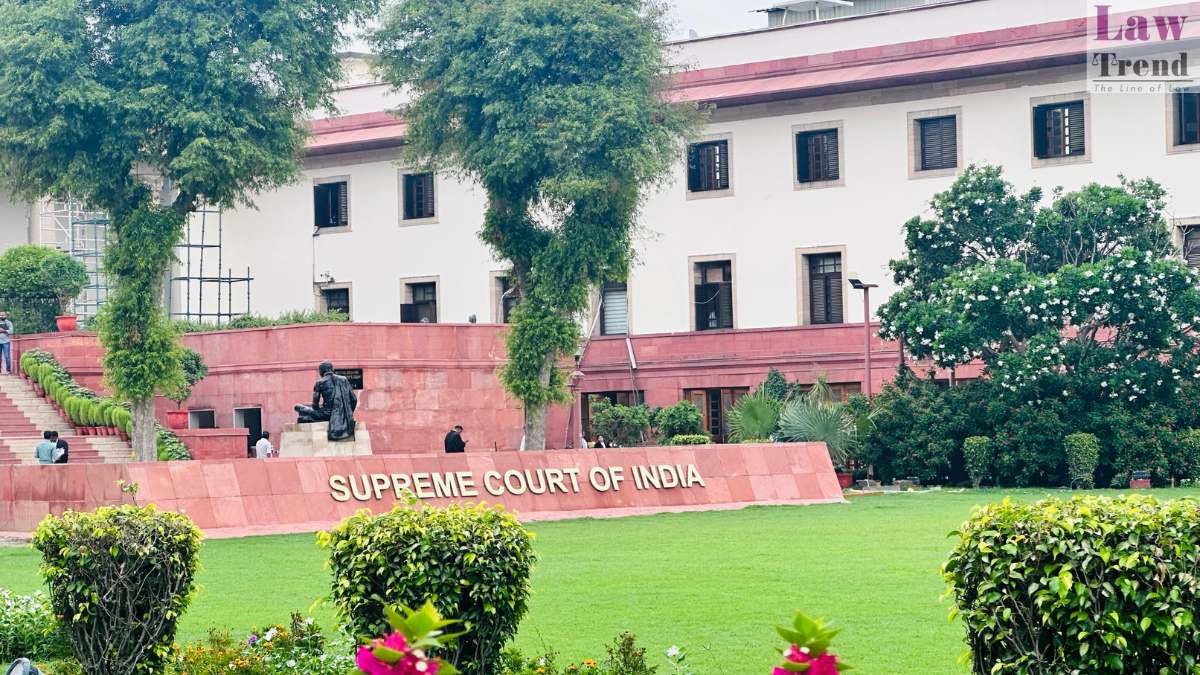
The Supreme Court on Monday issued notices to the Union Ministries of Law, Health, and AYUSH on a public interest litigation seeking recognition of AYUSH doctors as “registered medical practitioners” under the law, on par with allopathic doctors.
A bench headed by Chief Justice of India Surya Kant and Justice Joymalya Bagchi was hearing a petition filed by Nitin Upadhyay, a law student, represented by his father and advocate Ashwini Upadhyay. The petition also calls for the constitution of an expert committee to review and revise the outdated schedule of the Drugs and Magic Remedies (Objectionable Advertisements) Act, 1954, in line with modern scientific developments.
During the hearing, the bench engaged in a brief exchange with the counsel. “Is he your son?” CJI Surya Kant asked Upadhyay, who confirmed. In a lighter vein, the CJI remarked, “We thought he will get some gold medal etc. but he is filing PILs now. Why don’t you study now? … Issue notice. Only for your son. So that he studies well.”
The petition challenges the current interpretation of Section 2(cc) of the 1954 Act, which defines a “registered medical practitioner” but excludes AYUSH professionals. The Act, originally intended to curb misleading advertisements about medicines claiming miraculous cures, prohibits advertisements relating to certain serious diseases and conditions under Section 3(d).
According to the petitioner, the law disproportionately affects AYUSH doctors who are legally registered under respective councils but are not granted the legal protection to advertise even genuine treatments for critical ailments due to their exclusion from Section 14 exceptions of the Act.
The plea argues that while misleading advertisements must be curbed, truthful and evidence-based information about AYUSH remedies should be allowed in the public domain. The existing blanket ban, the petitioner contends, limits public access to potentially beneficial and lawful treatment options from non-allopathic practitioners.
The petition states:
- The 1954 Act’s blanket ban on advertisements prevents AYUSH doctors from sharing scientifically backed medical information with the public.
- This ban is “grossly disproportionate” and curtails the public’s right to information regarding prevention and treatment of life-threatening diseases.
- The term “registered medical practitioner” should include AYUSH professionals, ensuring parity in professional rights and obligations.
The petitioner has also sought directions to the Centre to form an expert committee to revise the law’s schedule, aligning it with current medical advancements and healthcare practices, particularly in the AYUSH sector.
The court has now sought replies from the relevant ministries and listed the matter for further hearing.