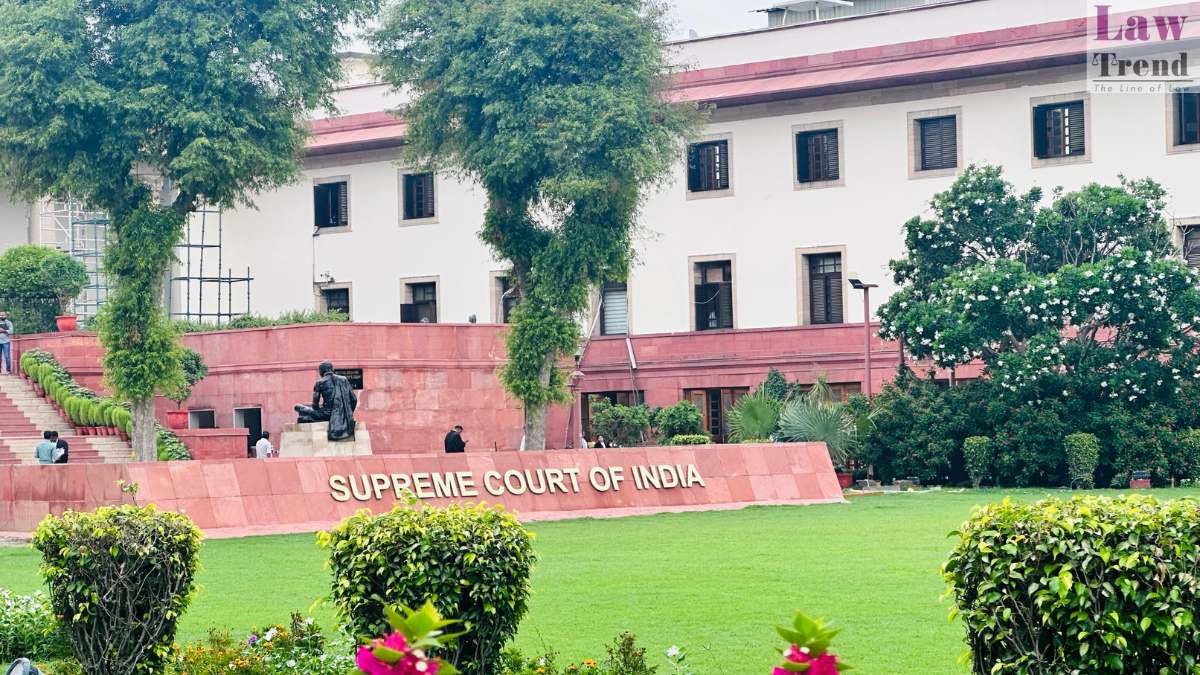
The Supreme Court on Tuesday issued notices to the Bar Council of India (BCI) and the Bar Council of Telangana, seeking their response to a plea challenging the constitutional validity of a 2023 rule that disqualifies advocates from contesting bar council elections if two or more serious criminal cases are pending against them.
A bench of Chief Justice Surya Kant and Justice Joymalya Bagchi was hearing a petition filed by advocate Srinivas G, whose nomination for the Telangana State Bar Council elections was rejected due to non-disclosure of two pending serious criminal cases. The High-Powered Election Committee later upheld the rejection.
At the heart of the legal challenge is Rule 4 of the Bar Council of India Rules, 2023, which renders an advocate ineligible to contest elections if two or more pending criminal cases involve offences punishable with imprisonment of seven years or more. The cut-off date for assessing pendency is nine months before the election.
The rule, however, clarifies that a single such case does not attract disqualification. It also disqualifies candidates who have been convicted, punished by a disciplinary committee, or have pending disciplinary proceedings within the same time frame.
In addition, it mandates that the candidate must be a full-time legal practitioner and not involved in any other occupation. Lawyers working as handwriting experts or appearing as professional witnesses are specifically barred.
Any decision by the returning officer can be appealed within three days before the Central Election Tribunal of the BCI, whose verdict is final.
Challenging the provision, the petitioner argued that disqualification on the basis of pending cases—without conviction—violates the presumption of innocence, a cornerstone of Indian criminal law.
The apex court has posted the matter for further hearing on February 20.