

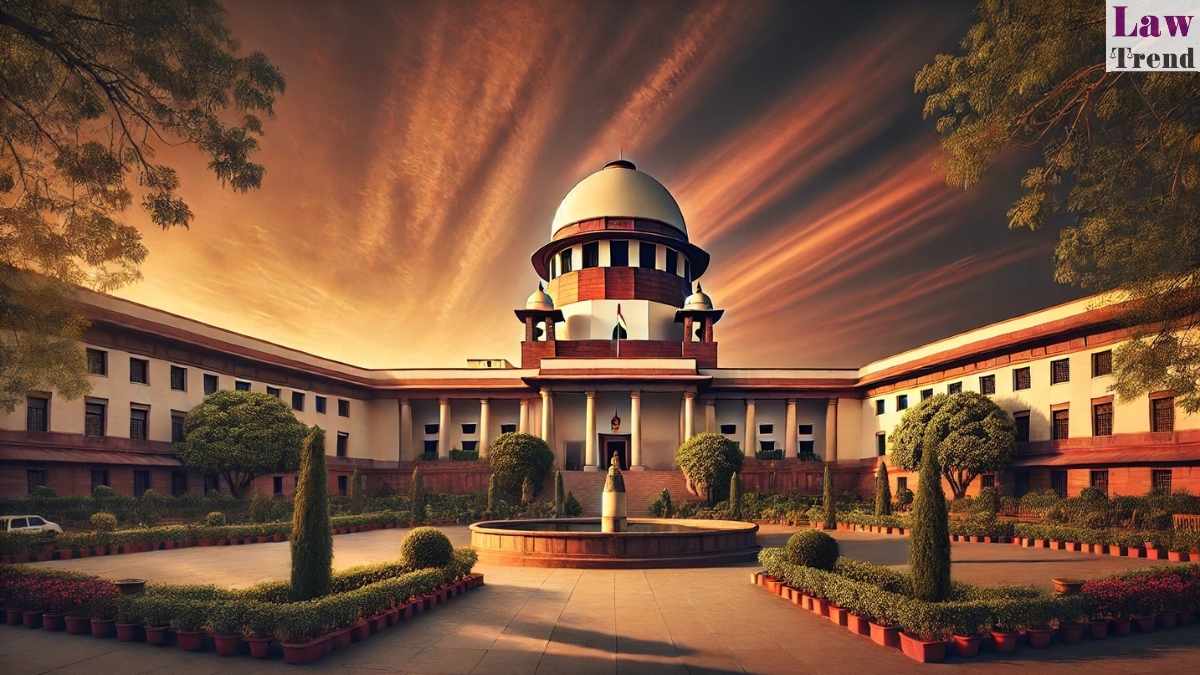
The Supreme Court of India emphasized on Friday that judges presiding over constitutional courts must transcend their personal religious beliefs, guided instead by the “freedom of conscience” and the nation’s broader constitutional framework when adjudicating sensitive matters of faith.
A nine-judge Constitution Bench, led by Chief Justice Surya Kant, made these observations during the fifth day of a marathon hearing concerning the scope of religious freedom and discriminatory practices at places of worship, including the Sabarimala temple in Kerala.
The court’s remarks came during a spirited exchange with Senior Advocate Rajeev Dhavan, representing one of the intervenors. Dhavan argued that the current reference extends far beyond Hindu practices or a single temple, touching upon the very foundation of how the Constitution governs all religions and beliefs.
Dhavan contended that the “freedom of conscience” is an expansive right that allows individuals to respectfully challenge any institution—be it the State or religion itself.
Responding to these submissions, Justice Ahsanuddin Amanullah noted that while religion may be deeply personal to an individual, a judge’s role is distinct. He observed that sitting in a constitutional court requires a judge to “rise above that religious consciousness” to balance personal faith with constitutional provisions, thereby viewing the “larger picture.”
The Bench also addressed the limits of religious autonomy. Justice Aravind Kumar observed that “denominational practices can be subject matter of judicial scrutiny,” signaling that religious traditions are not entirely immune to legal examination if they conflict with constitutional mandates.
Mr. Dhavan further argued that if religions were subjected strictly to logic, they would “disappear,” noting that spiritual experiences and the existence of God cannot be scientifically verified. Consequently, he suggested that certain “superstitious beliefs” must be accepted as part of the law within the religious context.
The hearing also saw arguments in favor of maintaining long-standing traditions. Senior Advocate V. Giri, appearing for the Sabarimala Achara Samrakshna Samiti, argued that the exclusion of women aged 10–50 at the Sabarimala temple is based on “collective wisdom” and the distinct characteristics of the deity, which are essential to the worship itself. He maintained that the right to practice religion under Article 25(1) includes the protection of these specific characteristics.
Similarly, Senior Advocate M.R. Venkatesh, representing the Atman Trust, argued that practices such as women voluntarily refraining from entering temples during menstruation are rooted in “discipline and belief” rather than discrimination. “When science ends, belief begins,” he stated, describing it as a non-written rule followed by many in South India.
The current nine-judge Bench was constituted following a November 2019 reference by a five-judge Bench. That reference arose from review petitions against the landmark 2018 verdict, which had lifted the ban on women of menstruating age entering the Sabarimala temple, declaring the practice unconstitutional.
The larger Bench is now tasked with defining the intersection of “essential religious practices” and the fundamental right to equality. Earlier this month, the court had warned that the division of Hindu society into sects and separate denominations for the purpose of restricting entry would “adversely impact” the religion.
The hearing is scheduled to resume next week.




