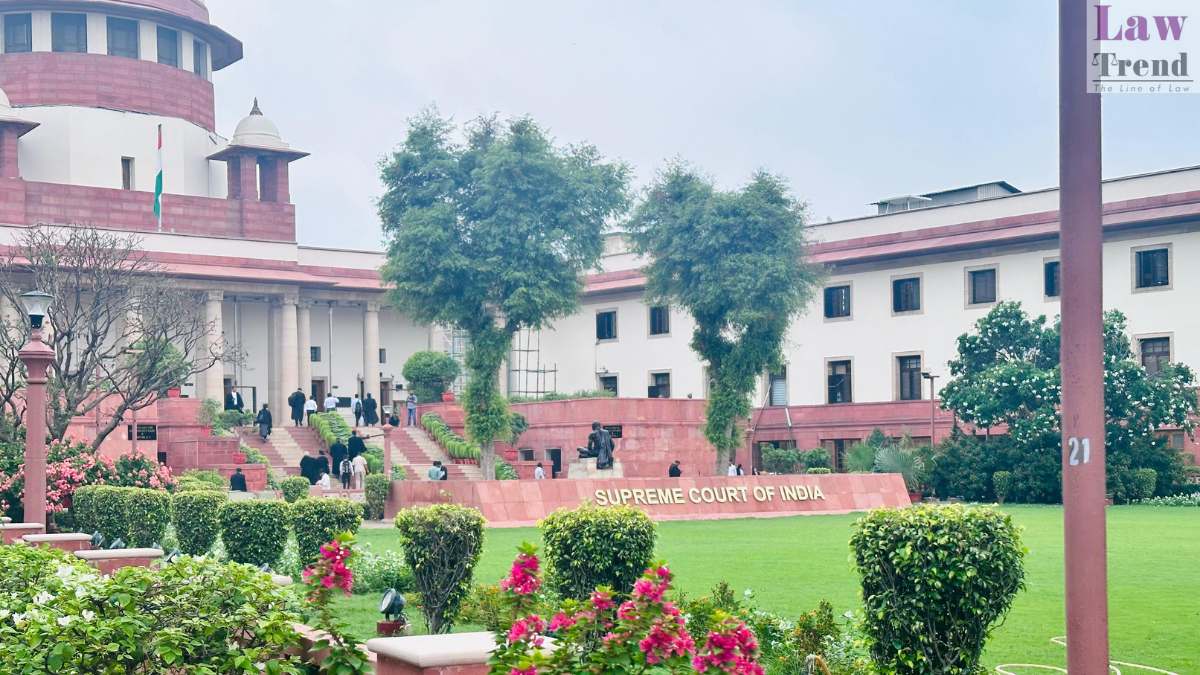
The Supreme Court on Wednesday agreed to list for hearing a petition challenging the University Grants Commission’s (UGC) new equity regulations, which have drawn criticism for allegedly adopting a narrow definition of caste-based discrimination that excludes individuals from non-reserved or “general” categories.
A bench comprising Chief Justice Surya Kant and Justice Joymalya Bagchi took note of submissions by a lawyer seeking urgent listing of the case titled Rahul Dewan and Ors vs Union of India. The counsel argued, “There is a possibility of discrimination against the general class.”
Taking a brief note of the concern, CJI Surya Kant responded, “We know what is happening. Make sure defects are cured. We will list it.”
The UGC notified the new Promotion of Equity in Higher Education Institutions Regulations, 2026 on January 13, replacing the 2012 advisory guidelines with binding rules. Under these regulations, every higher education institution must constitute an “equity committee” to handle complaints of caste-based discrimination and promote inclusivity.
The committee must include representation from the Scheduled Castes (SC), Scheduled Tribes (ST), Other Backward Classes (OBC), persons with disabilities, and women. However, the regulations have come under fire for limiting the definition of “caste-based discrimination” strictly to acts committed against SC, ST, and OBC communities.
The petitioners have contended that this definition excludes individuals from the “general” category who may also face caste-based prejudice, thereby denying them institutional protection and grievance redressal. The plea argues that this exclusionary language violates the constitutional principles of equality and non-discrimination.
In response to the regulations, protests have erupted across various campuses, with student organisations demanding a rollback, alleging that the framework institutionalises a selective approach to equity and ignores real instances of bias faced by general-category students.
The case is expected to test the constitutional limits of affirmative action and whether the regulatory focus on historically disadvantaged groups can be broadened to include caste-based grievances from beyond the reserved categories.