

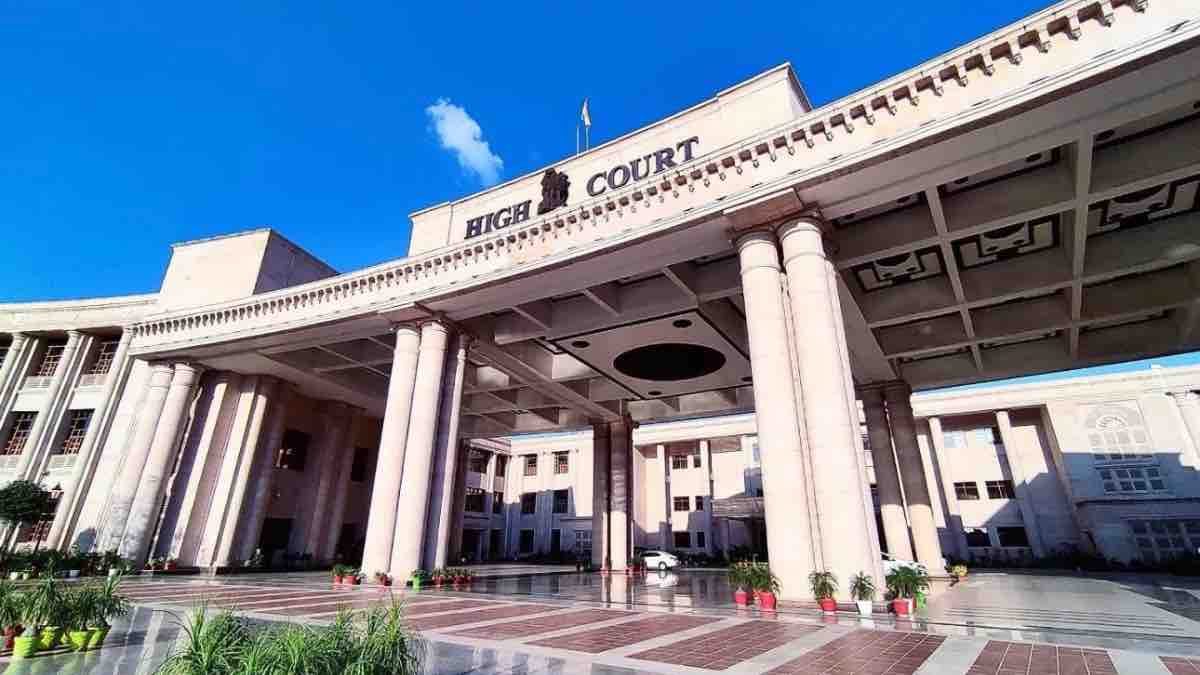
The Lucknow bench of the Allahabad High Court has issued a stern ultimatum to the Uttar Pradesh state government and the Central government: present a concrete plan to immediately release interim funds to NGO-run juvenile homes by May 29, or face mandatory judicial orders.
Expressing strong displeasure on Wednesday, a division bench comprising Justices Rajan Roy and Jaspreet Singh declared that administrative red tape cannot be allowed to jeopardize the basic survival of vulnerable children.
“Procedural formalities cannot override the rights of children to life, food, medical care, and welfare,” the bench observed.
A Funding Freeze Leaving Hundreds of Children Vulnerable
The court’s intervention comes during the hearing of a public interest litigation (PIL) originally filed by Anoop Gupta in 2008.
During the proceedings, amicus curiae Apoorva Tiwari alerted the court to a critical funding crisis. Nearly two months into the 2026–27 financial year, juvenile homes operating under the government’s flagship Mission Vatsalya scheme have not received any financial support.
Tiwari highlighted the severity of the crisis using the example of Drishti Samajik Sansthan, an NGO running juvenile homes that house more than 200 children. Despite requiring a monthly operational expenditure of approximately Rs 80 lakh, the institution has not received a single rupee from the government since April.
Bureaucratic Delays vs. Constitutional Obligations
Defending the delay, the state government attributed the block to technical and procedural hurdles stemming from the rollout of a new financial system, the SNA Sparsh mechanism. State representatives noted that while the Project Approval Board (PAB) held a meeting on May 12 to address the allocations, the official minutes of the meeting have yet to be finalized and issued—meaning the funds remain frozen.
Appearing via video conference, Manisha Trighatia, the Principal Secretary of the Women Welfare Department, told the court that the government is strictly bound by these established administrative procedures and cannot deviate from them to release funds early.
The High Court bench reacted sharply to this defense, characterizing the state’s stance as “insensitive” and “rigid.”
The judges pointed out a glaring flaw in the bureaucratic timeline: if the PAB meeting is delayed until mid-May after the financial year has already begun, and administrators take an additional 30 days just to draft and approve the minutes, juvenile homes are effectively forced to operate without government support for nearly a quarter of the year.
When the court asked officials who was expected to pay for the children’s food, medical emergencies, and daily necessities during this three-month gap, none of the state representatives had an answer.
The bench reminded the administration that safeguarding the welfare of children under the Constitution of India and the Juvenile Justice (Care and Protection of Children) Act, 2015, is a non-negotiable constitutional obligation of the state.
What Happens Next?
The High Court has ordered both the Central and State governments to work together and present a joint proposal by Friday, May 29. The proposal must outline an immediate interim financial assistance package to sustain all seven NGO-run juvenile homes operating across Uttar Pradesh.
Additionally, the state government has been ordered to disclose the exact total amount of funding slated to be released to these seven homes for the entirety of the current financial year during the next scheduled hearing.




