

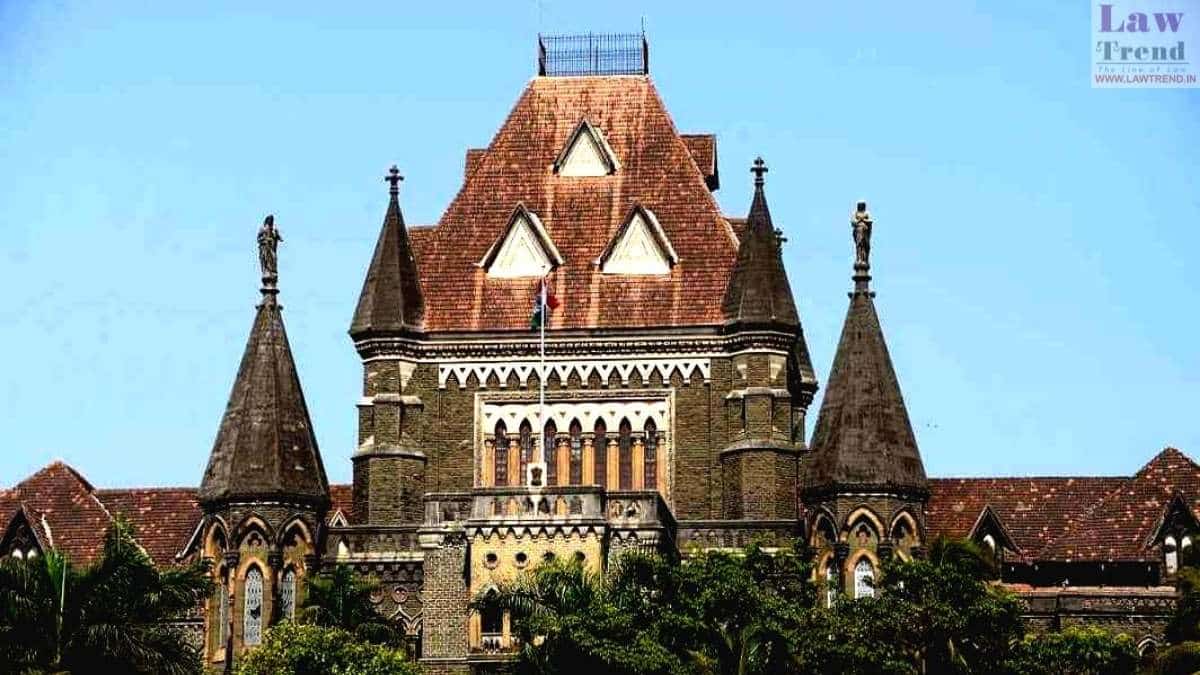
The Bombay High Court has directed the Maharashtra government to pay Rs 22 lakh in compensation to the family of a 50-year-old patient who was killed by another inmate at the state-run Yerawada Mental Hospital in Pune in November 2013. The court found the state government liable for the death, ruling that the facility’s administration demonstrated severe negligence and a clear failure to protect those in its care.
A division bench of Justices Manish M. Pitale and Shreeram V. Shirsat issued the order in response to a petition filed in 2017 by the victim’s widow. The court ordered the state government to disburse the compensation within eight weeks, specifying that the funds must be used for the welfare of the widow and her two children.
Evidence Of Staffing Shortages
The bench highlighted extreme staffing shortages at the hospital on the night of the incident. Only three attendants were assigned to manage 77 patients in the observation ward. According to the court, this staffing ratio clearly demonstrated the negligent manner in which the state-run institution was being operated.
Details Of The Fatal Assault
The victim, a real estate businessman diagnosed with schizophrenia, was admitted to the Yerawada facility on November 19, 2013, under medical advice. Although hospital staff had assured his wife of a timely recovery, she was notified two days later, on November 21, that her husband had been killed the previous night.
An on-duty attendant witnessed another patient violently attacking the victim. A subsequent post-mortem examination revealed that the victim died from head injuries and throttling. The same attacker also assaulted another patient, who subsequently died from head trauma.
Legal Proceedings And Family Impact
A First Information Report was filed against the assailant following the incident. However, the criminal trial remains suspended because the accused patient continues to undergo treatment for mental illness.
In its judgment, the High Court emphasized that because the deceased was in state custody, the government was responsible for safeguarding his fundamental rights. The court also noted the severe financial and emotional impact on the family, pointing out that the victim was their sole financial provider. Furthermore, one of the couple’s sons has a 90 percent mental disability, requires lifelong care, and is unable to earn an independent living.
Acknowledging that the family has litigated the matter for nearly nine years, the bench also ruled that a previously paid ex gratia sum of Rs 1 lakh should not be deducted from the newly ordered Rs 22 lakh compensation.




