

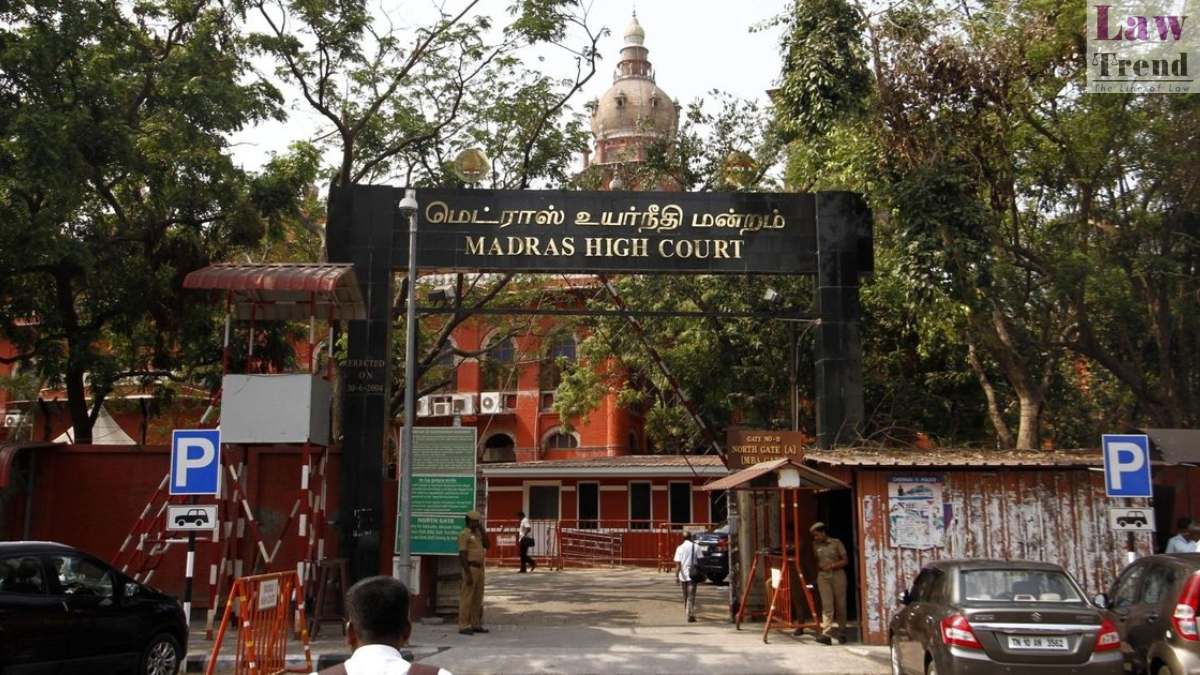
The Madras High Court on Tuesday refused to interfere with the tender conditions issued for live webcasting at polling stations and video recording during vote counting for the upcoming Tamil Nadu Assembly elections, dismissing challenges raised by two private surveillance companies.
The petitions were filed by firms based in New Delhi and Chennai, questioning the e-tender dated March 3, 2026, floated by the office of the Chief Electoral Officer. The tender pertains to the installation of nearly 1.5 lakh web-based cameras across about 75,000 polling stations, along with 3,744 cameras at counting centres.
Hearing the matter, a Bench comprising Chief Justice Sushrut Arvind Dharmadhikari and Justice G Arul Murugan examined the core grievance that the tender conditions were allegedly “arbitrary, discriminatory, and unreasonable.”
However, the court found no basis to support these claims. It observed that there was “no shred of material to prove arbitrariness, perversity, mala fide or bias that would warrant judicial interference.”
The Bench also referred to settled legal principles laid down by the Supreme Court, noting that authorities issuing tenders are entitled to prescribe eligibility criteria and conditions to ensure that bidders possess the necessary capability and resources to execute the project effectively.
Emphasising the limited scope of judicial review in such matters, the court held that it could not alter or dilute tender conditions merely to accommodate a particular bidder. “The conditions of the tender cannot be altered/modified to make it suitable to the petitioner,” the Bench stated, adding that the tendering authority is best equipped with the technical and administrative expertise to frame such terms.
With these observations, the High Court dismissed both petitions and closed the connected interim applications, clearing the way for the implementation of the webcasting and surveillance arrangements for the state elections.




