

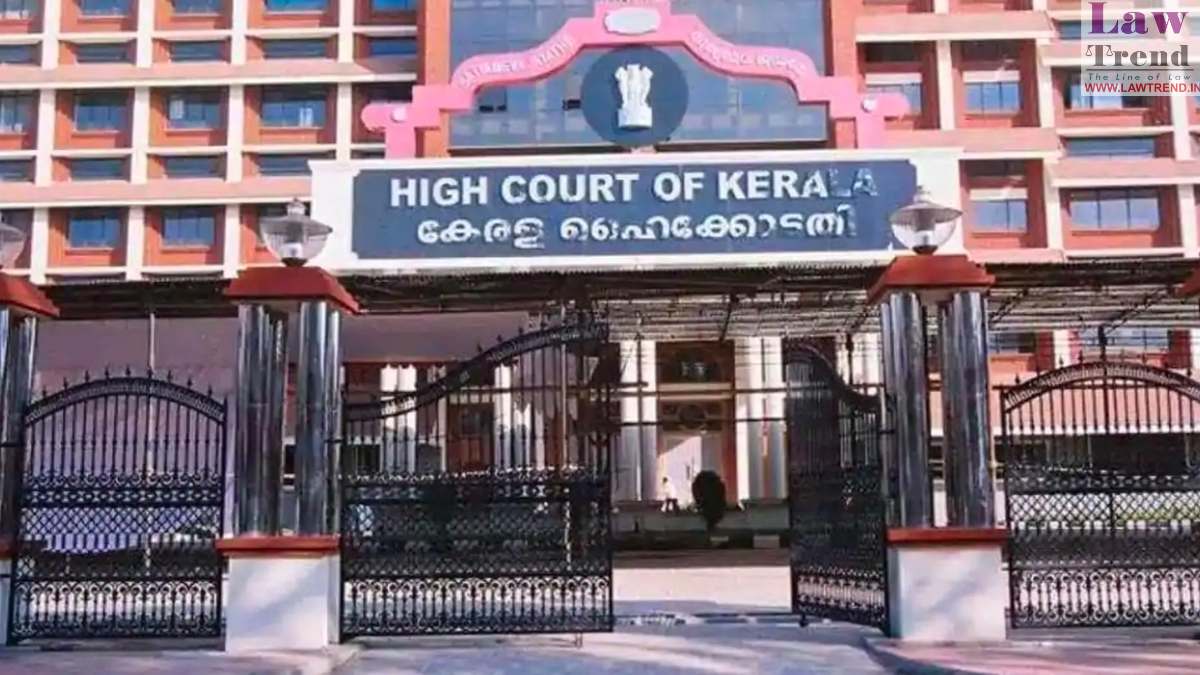
The Kerala High Court has reasserted the entitlement of public sector employees with disabilities to receive promotions under the statutory four percent quota, sustaining a tribunal directive that mandated the state government to evaluate a disabled staff member’s advancement claim.
While validating the original August 2, 2022 direction by the Kerala Administrative Tribunal to review the employee’s eligibility, a division bench of the high court set aside a subsequent interim order issued during contempt proceedings. The court determined that administrative tribunals lack authority to pass affirmative operational directives while exercising contempt jurisdiction.
Tribunal Directives and State Challenge
The legal dispute originated when a senior clerk with a 40 percent benchmark disability, working at the Police Telecommunication Headquarters in Thiruvananthapuram, approached the administrative tribunal. The staff member asserted that state authorities had failed to grant him promotion consideration under the dedicated quota established for persons with disabilities.
To support his petition, the clerk cited landmark Supreme Court rulings, including the Siddaraju and Leesamma Joseph cases, which established that disabled personnel are entitled to reservation in promotions and required state governments to identify applicable posts. In August 2022, the tribunal ruled in the employee’s favor, ordering the state to apply its official reservation guidelines and evaluate his promotion claim.
When the state failed to implement the decision to his satisfaction, the clerk initiated contempt proceedings, leading the tribunal to issue an interim order in August 2024 calling for further executive action. The Kerala government subsequently petitioned the high court to challenge the tribunal’s orders.
Limits of Contempt Jurisdiction
During proceedings, legal counsel for the state argued that compliance had been achieved through an executive order issued in June 2023, maintaining that any further grievance required a separate legal challenge rather than continued contempt litigation. The government also cited an executive order dated October 26, 2023.
The high court rejected the state’s reliance on the October 2023 directive, pointing out that the order had already been invalidated by the court in the Shoyab case—a ruling that attained finality after the Supreme Court dismissed the state government’s appeal.
However, the bench agreed that the tribunal had exceeded its jurisdiction in the contempt matter. The high court clarified that during contempt proceedings, a tribunal cannot issue new positive directions to administrative authorities.
Accordingly, the high court confirmed the tribunal’s initial 2022 order requiring the state to consider the clerk’s promotion claim, while setting aside the August 2024 interim contempt order. The court clarified that the employee remains free to pursue the pending contempt petition under standard legal procedures.




