

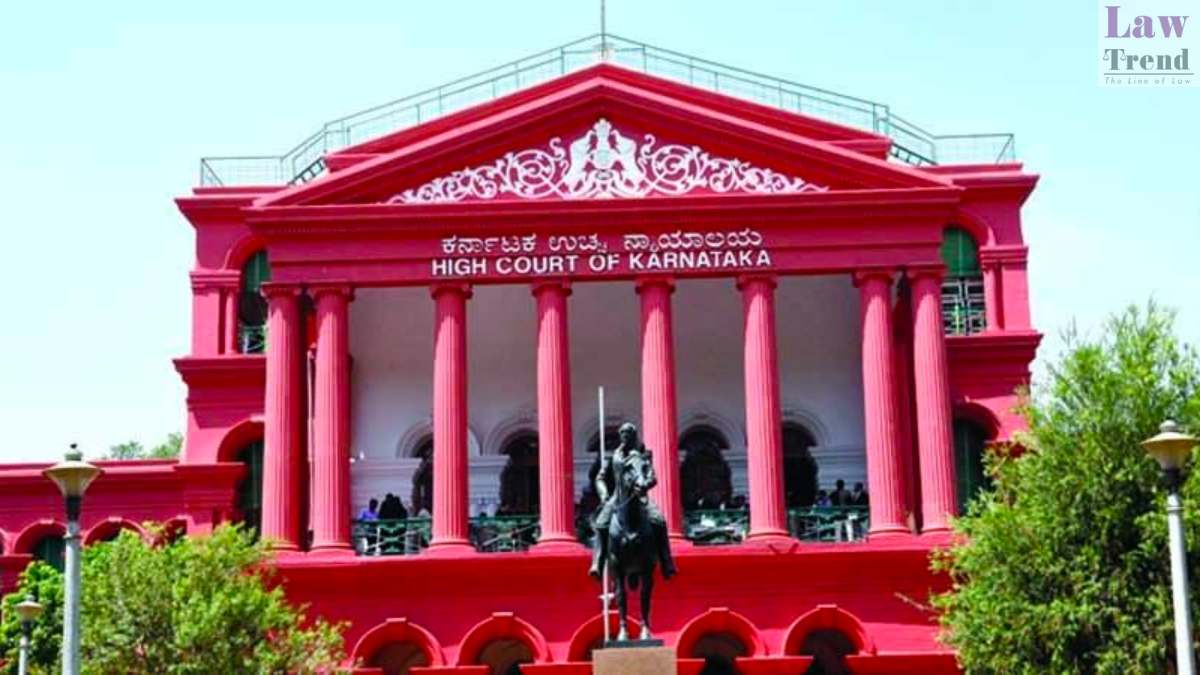
The Karnataka High Court has rejected a petition to quash an investigation under the Unlawful Activities Prevention Act against individuals accused of illegally withdrawing nearly Rs 100 crore to fund Maoist activities in India.
Justice M Nagaprasanna dismissed the plea filed by one of the accused, Micah Mark, ruling that allegations involving national security and economic subversion demand a full investigation rather than judicial intervention at the initial stage.
The case, which was registered by the Kothanur police following a complaint from the Enforcement Directorate, names six individuals: Jonathan Sushil Rajan, Micah Mark, and Ajit Verghese Mathai from Bengaluru; Supreme Joy from Mysuru; Varghese Chako from Dhamtari in Chhattisgarh; and Bablu Kurmi from Goalpara in Assam. The accused are alleged to have operated in connection with a United States-based Christian missionary organization, The Timothy Initiative.
Allegations Of Foreign Card Network
According to the Enforcement Directorate, searches conducted in mid-April under the Income Tax Act and the Foreign Exchange Management Act exposed an illicit financial network. The agency alleges that the accused, collaborating with the US missionary group, used foreign debit cards issued by an American bank to withdraw and distribute funds across India.
Investigators claim that approximately Rs 92.55 crore (USD 9,995,240) was illegally routed and spent between November 2025 and April 2026, in direct violation of the Foreign Exchange Management Act and the Foreign Contribution Regulation Act.
The investigation escalated after Mark was detained at Bengaluru’s Kempegowda International Airport on April 18. Security personnel reportedly found Mark in possession of 24 foreign debit cards. The prosecution alleges that more than 1,000 similar cards were distributed throughout India, many issued under the common name “Santosh Kumar” paired with regional codes such as “NE-1”, “NE-2”, and “Southern Region-1”.
Maoist Funding Links
The enforcement agency also flagged suspicious cash withdrawals in regions heavily affected by left-wing extremism. Over the past few years, an estimated Rs 6.34 crore is believed to have been withdrawn using these accounts in Chhattisgarh locations, including Bastar and Dhamtari.
National Security Concerns
In his judgment, Justice Nagaprasanna emphasized that clandestine funding is one of the most severe dangers to national security, acting as the vital support system that allows extremist movements to survive and spread. Left unchecked, the court observed, covert financial channels can easily translate ideological extremism into organized violence, directly threatening public safety and national unity.
The court ruled that financial monitoring institutions and security agencies must act swiftly and precisely to dismantle such networks. Justice Nagaprasanna concluded that courts must remain cautious about halting investigations where financial crimes are closely tied to national security, declaring that a thorough inquiry in this case is not only permissible but necessary.




