

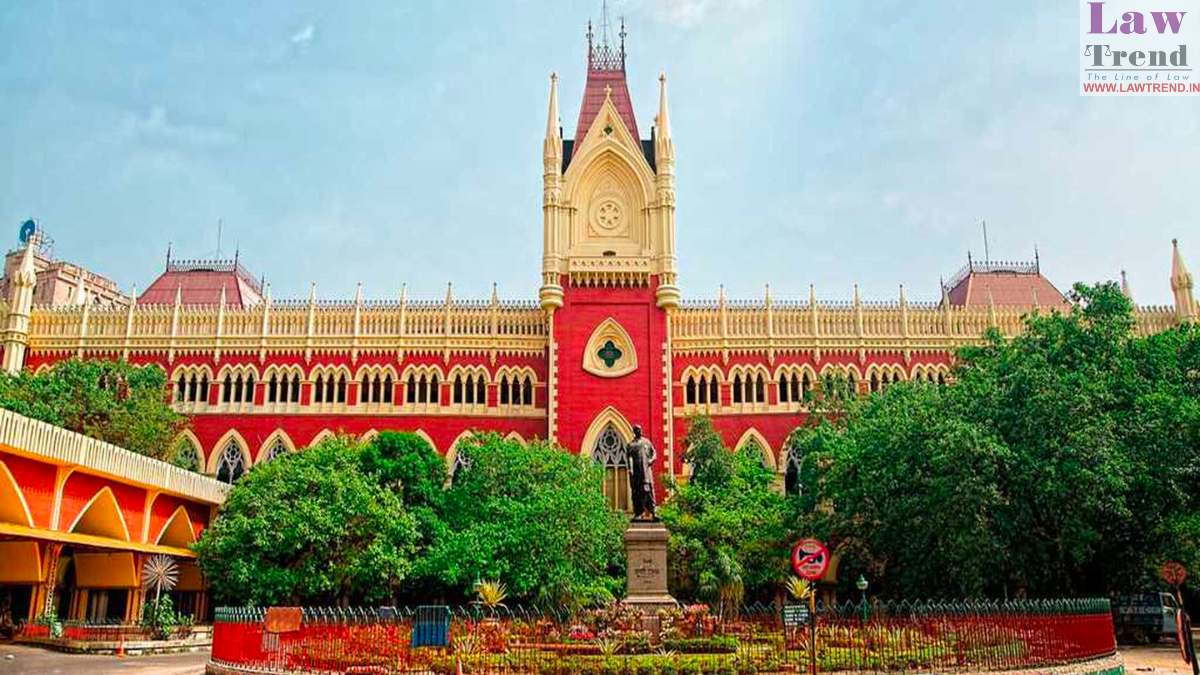
The Calcutta High Court on Monday observed that the West Bengal authorities have failed to act on its earlier directions to remove over 500 illegal constructions in the East Kolkata Wetlands and said it is contemplating engaging paramilitary forces to carry out the demolitions.
Justice Amrita Sinha expressed strong displeasure over the lack of “ground-level work” despite repeated reports being filed before the court. The matter has been listed for further hearing on March 16, and the petitioner has been directed to implead the Union of India as a party.
The court noted that large portions of the wetlands—spread across the Kolkata Municipal Corporation and South 24 Parganas jurisdictions—have been illegally filled up and built upon, yet no effective demolition has taken place.
“I do not want any further report, I want ground-level work to be done,” Justice Sinha said, pointing out that merely declaring structures illegal is insufficient unless they are actually removed.
The judge also observed that the East Kolkata Wetlands Management Authority (EKWMA), despite passing multiple orders declaring the constructions unauthorised, has not implemented them.
Counsel for the EKWMA submitted that the authority lacks the infrastructure required to deal with large-scale unauthorised constructions. It also informed the court that attempts to disconnect electricity to such structures triggered mass agitations, preventing further action.
The authority further stated that it had sought a joint inspection in December 2025 involving CESC, the Kolkata Municipal Corporation (KMC), and the Kasba police station. However, no representative from the KMC attended the inspection.
Taking note of these submissions, the court remarked that any illegal construction within the wetlands must be demolished and indicated that paramilitary deployment may be considered if the state machinery is unable to enforce the law.
Senior advocate Bikash Bhattacharya, appearing for the petitioner, argued that illegal filling of water bodies and continued construction are endangering the fragile ecological balance of the East Kolkata Wetlands. He sought a detailed report on steps taken to implement the court’s earlier directions.
The East Kolkata Wetlands, spread over approximately 12,500 hectares on the eastern fringes of Kolkata, are among the world’s largest sewage-fed fishery systems and are protected as an ecologically sensitive area. The EKWMA is the statutory body responsible for their conservation and management.
Noting that restoration has not progressed despite prior judicial orders, the court reiterated that the wetlands must be restored and the illegal structures removed.




