

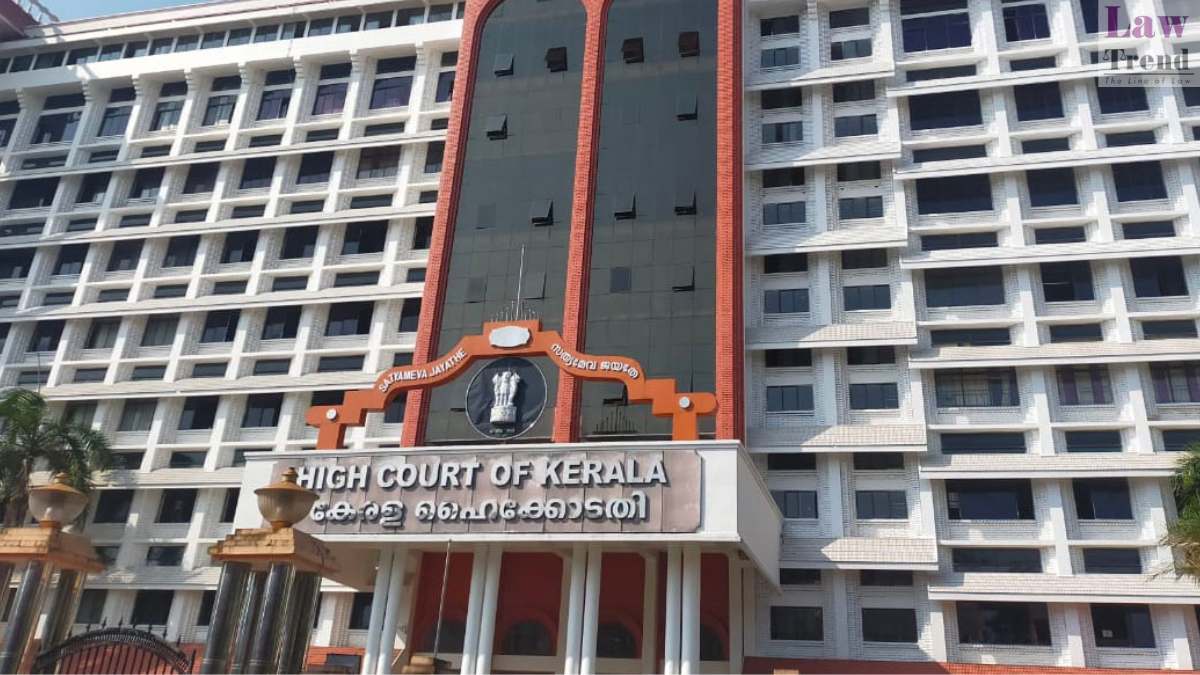
The Enforcement Directorate has urged the Kerala High Court to reject a bail application from an individual accused of participating in an attack on federal officials earlier this year, characterizing the incident as a premeditated, politically coordinated attempt to disrupt a statutory financial investigation.
Organized Assault Following Search Operation
In an affidavit submitted by advocate Jaishankar V. Nair, the federal agency stated that the violence occurred on May 27 after investigators finished a multi-hour search at the residence of former Kerala Chief Minister Pinarayi Vijayan. As the team prepared to leave, a crowd targeted the convoy, injuring a search team member, a Central Reserve Police Force officer, and a driver.
Rejecting the defense contention that the event was an ordinary law-and-order matter or a spontaneous public demonstration, the agency argued that the gathering was an unlawful assembly aimed at intimidating officers, impeding public servants, and preventing the due administration of criminal justice.
Legal Arguments and Investigation Status
The agency asserted that members of an unlawful assembly share collective liability for acts committed by the group, irrespective of whether individual participants used weapons or committed direct acts of violence.
In opposing bail, the agency informed the court that the investigation remains active, noting that approximately 300 individuals participated in the assault, with many suspects still unidentified or absconding and key witnesses yet to be examined.
Background of the Underlying Probe
The search was conducted under provisions of the Prevention of Money Laundering Act in connection with financial dealings between Cochin Minerals and Rutile Ltd, a sand mining firm, and Exalogic Solutions, an IT consultancy owned by Pinarayi Vijayan’s daughter, T. Veena.
Investigating agencies allege that Exalogic Solutions received payments from the mining company between 2017 and 2020 for consultancy services that were never provided. Both Veena and the mining company have denied any wrongdoing, maintaining that the transactions were part of a legitimate commercial contract.




