

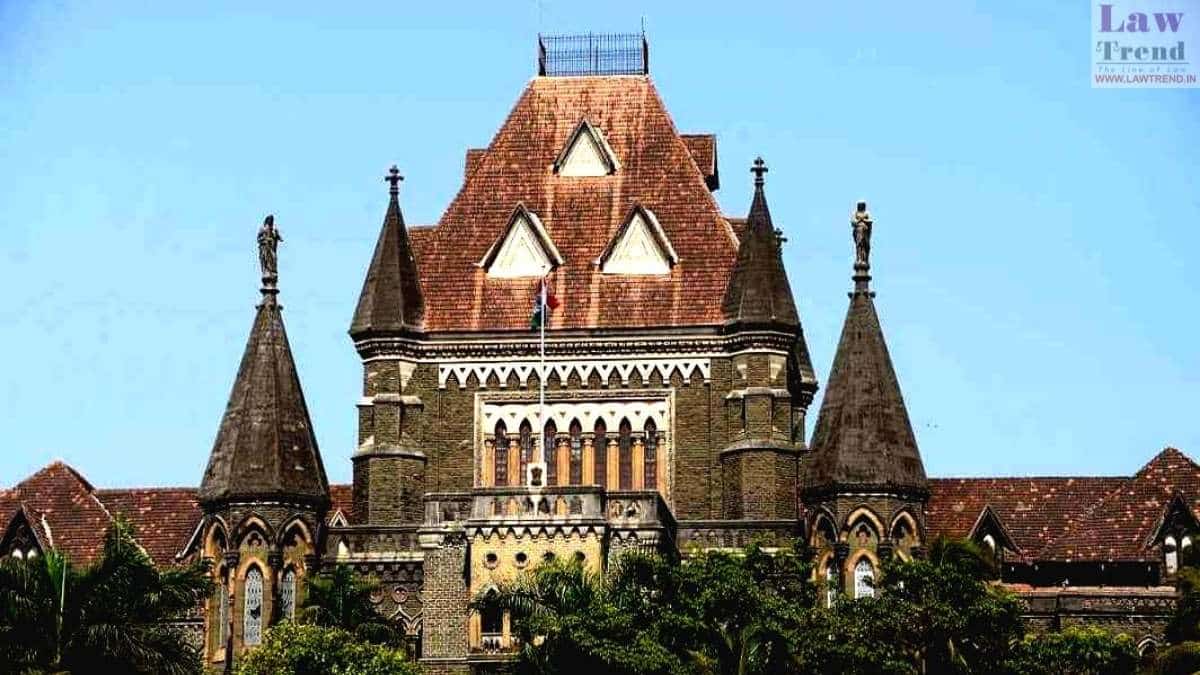
The Bombay High Court on Tuesday came down strongly on Mumbai’s civic authorities and the state pollution control board for failing to enforce pollution control norms, making it clear that the court was not opposed to development or construction activity but wanted strict compliance to curb the city’s worsening air quality.
A bench headed by Chief Justice Shree Chandrashekhar and Justice Gautam Ankhad directed the Brihanmumbai Municipal Corporation (BMC) and the Maharashtra Pollution Control Board (MPCB) to take urgent and meaningful steps to address the spiralling air pollution levels in Mumbai. The court warned that continued inaction could push the situation beyond control.
“We do not want any construction work or development to stop, but we want compliance. You have failed to ensure compliance,” the bench observed, cautioning that if effective measures were not taken immediately, the authorities would soon find themselves unable to manage the crisis.
The remarks came during the hearing of a batch of petitions highlighting the deteriorating Air Quality Index (AQI) in the city. In response to the court’s earlier directions, BMC Commissioner Bhushan Gagrani and MPCB Secretary Devendra Singh appeared before the bench.
Expressing dissatisfaction with the current approach, the court urged the officials to actively contribute solutions. “Please come up with suggestions. It will not work like this. Apart from being officers, you too are citizens and have a fundamental duty,” the bench told them.
The court also focused sharply on the plight of construction workers exposed to hazardous conditions at building sites. Stressing that the right to life applies equally to all citizens, including the poor, the bench questioned the MPCB on whether any advisories had been issued to protect workers’ health.
“You have to issue an advisory for project proponents so that workers’ health is not affected. They are exposed to serious health threats. You do not care for the poor,” the court remarked. Emphasising basic preventive measures, the bench added, “At least give them a mask. This is common sense. Right to health is a fundamental right.”
In response, the MPCB informed the court that it would place its suggestions on the issue by Wednesday.
In its order, the High Court noted that significantly more needs to be done by both the BMC and the MPCB to ensure effective enforcement of pollution norms. The bench also questioned whether the civic chief personally conducts surprise inspections and takes action against violators.
Senior advocate S U Kamdar, appearing for the BMC, told the court that enforcement action was underway. He pointed out that since November, the civic body has issued 433 show-cause notices for non-compliance with pollution control guidelines and has ordered 148 stop-work notices.
The matter will continue to be monitored by the court as it presses the authorities to move beyond paperwork and take visible, ground-level action to protect public health while allowing development to continue within the framework of environmental compliance.




