

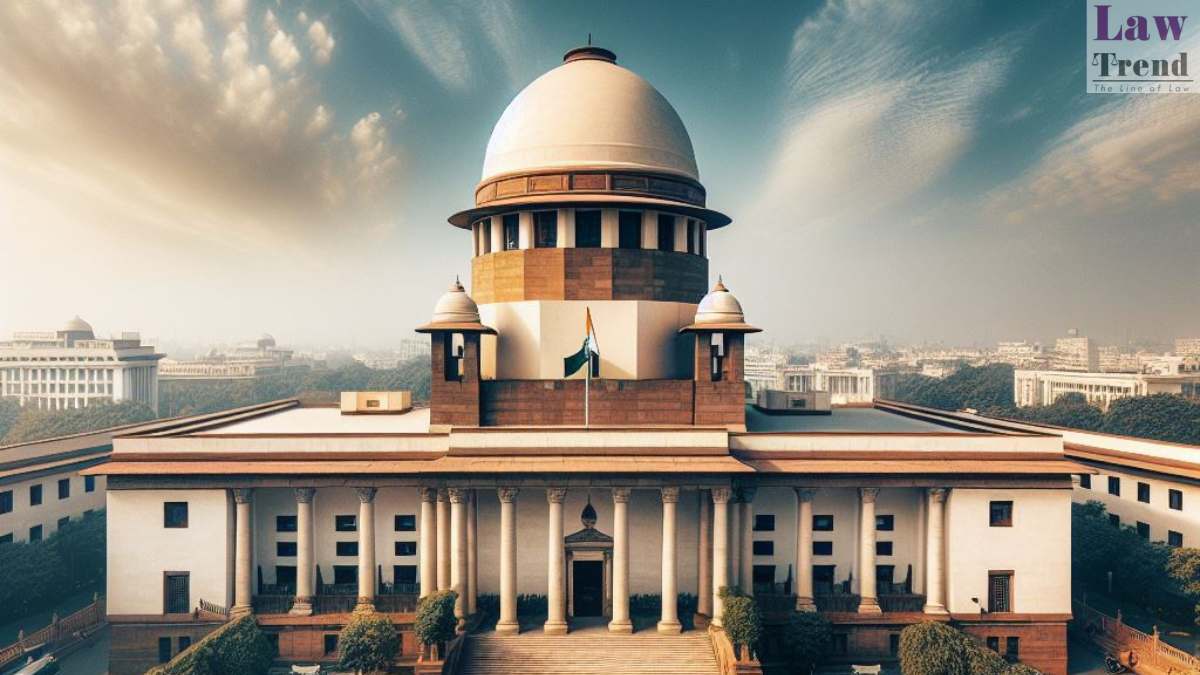
The Supreme Court on Monday set aside the Rajasthan State Election Commission’s decision denying permission to a civil society organisation to organise voter awareness programmes during the ongoing local body elections. The Court held that the Commission could not prevent independent organisations from educating voters merely because it was conducting similar activities itself.
A Bench comprising Chief Justice of India Surya Kant and Justices Joymalya Bagchi and V Mohana directed the State Election Commission (SEC) to reconsider the organisation’s application within 48 hours. The Court also observed that independent voter education initiatives should receive encouragement rather than face unnecessary restrictions.
The order came on a petition filed by social activists Aruna Roy and Nikhil Dey, co-founders of the Mazdoor Kisan Shakti Sangathan (MKSS), challenging the Commission’s refusal to permit voter awareness activities in areas covered by the local body elections.
The SEC had denied permission in the context of prohibitory orders imposed under Section 163 of the Bharatiya Nagarik Suraksha Sanhita (BNSS) in poll-bound areas.
Election Commission Cannot Claim Exclusive Control Over Voter Awareness
During the hearing, Justice Joymalya Bagchi questioned the Commission’s justification for preventing civil society organisations from independently engaging with voters.
The Bench observed that voter awareness was not an activity reserved exclusively for the election authorities. It emphasised that the Commission’s own outreach programmes could not justify preventing other organisations from conducting similar exercises.
Justice Bagchi said such organisations could assist the Commission in spreading electoral awareness and that their participation should be welcomed.
The Court also distinguished legitimate voter education from activities involving electoral misconduct. It clarified that the Commission retained the authority to regulate corrupt practices carried out in the name of voter awareness but could not exercise exclusive control over such programmes.
Activists Say Campaign Is Non-Partisan
Advocate Prashant Bhushan, appearing for the petitioners, submitted that the organisation had been conducting voter awareness campaigns since 2004.
He explained that the programmes focused on informing voters about their democratic rights, electoral choices and the None of the Above (NOTA) option.
The campaign also sought to discourage electoral malpractices by educating voters against accepting money or other inducements in exchange for their votes.
Bhushan maintained that the proposed activities did not promote or oppose any political candidate. According to him, the programmes involved small groups holding interactive awareness sessions in villages.
The Rajasthan SEC opposed the petition, stating that it had examined the organisation’s representation and was concerned that the proposed activities might be undertaken at someone else’s behest.
The Commission also relied on the fact that it was already carrying out voter awareness programmes of its own.
The Bench, however, found that these considerations could not justify a blanket restriction on independent voter education initiatives.
Fresh Decision Required Within 48 Hours
Allowing reconsideration of the petitioners’ request, the Supreme Court quashed the SEC’s earlier order and directed it to examine the proposed voter awareness programmes in accordance with the list submitted with the application.
The Commission must take a fresh decision within 48 hours.
The directions come amid Rajasthan’s four-phase Panchayati Raj elections. Polling for Zila Parishad and Panchayat Samiti members in the final phase is scheduled for November 14, while voting for Sarpanch and Panch posts will take place on November 16.
The electoral exercise covers 41 Zila Parishads, 457 Panchayat Samitis and 14,403 Gram Panchayats. More than 4.03 crore voters are reportedly eligible to participate in the elections.


