

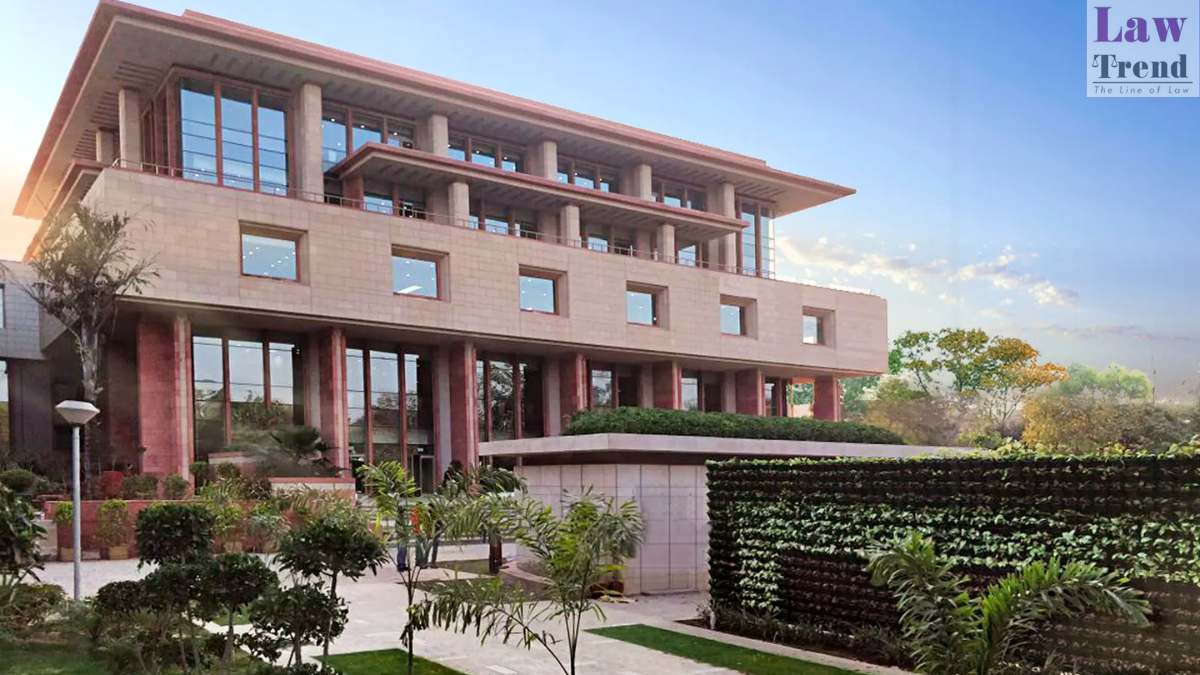
The Delhi High Court has instructed judges of the Supreme Court and High Courts to submit their Permanent Account Numbers to income tax authorities, ordering a temporary freeze on the processing of their tax returns, demands, and refunds.
A division bench comprising Justice Dinesh Mehta and Justice Rajneesh Kumar Gupta issued the direction following operational difficulties cited by the Income Tax Department. The revenue authority informed the court on August 5 that its automated nationwide processing system could not isolate individual judicial returns without suspending processing for millions of taxpayers across the country. To resolve the impasse, private secretaries of judges who submitted returns under the new tax framework must provide the respective identification numbers to a designated tax officer by August 18.
Challenge To Central Tax Memorandum
The court was hearing a legal challenge mounted by the Delhi Tax Bar Association, an organization representing approximately 800 tax professionals, against an official memorandum issued by the Central Board of Direct Taxes in September 2025. The administrative circular brought various allowances and perks granted to Supreme Court and High Court judges within the taxable ambit under the New Tax Regime.
Under statutory provisions governing judicial service—the High Court Judges Act of 1954 and the Supreme Court Judges Act of 1958—benefits such as official housing, vehicle allowances, sumptuary grants, and leave travel concessions were historically exempt from income tax under the traditional tax system.
Judicial Independence And Statutory Protections
The petitioners contended that the executive circular improperly curtails statutory benefits attached to judicial office and inflates tax liabilities for serving judges. The association argued that administrative instructions cannot alter legal entitlements established by Parliament or interfere with judicial independence, which forms part of the basic structure of the Constitution.
In response, tax authorities stated that the new tax structure under Section 115BAC of the Income Tax Act offers lower overall tax rates and expanded slabs, making additional allowance exemptions an unnecessary duplication of tax benefits. Under Section 115BAC, Clause 2(iv) restricts taxpayers under the new system from claiming deductions provided under other central or state statutes, except for specific exemptions listed under Clause 2(i).
Prior Directviews And Parallel Proceedings
The latest court order modifies an earlier interim ruling delivered on July 22, in which the Delhi High Court allowed judges to declare allowance amounts as non-taxable receipts under the exempt income category while prohibiting tax officers from processing those filings.
The issue has drawn parallel litigation in other jurisdictions. In July, Justice Sandeep Jain of the Allahabad High Court filed a similar petition, noting that out of his gross salary of 46.78 lakh rupees for 2025-26, allowances totaling 9.85 lakh rupees—comprising 2.81 lakh rupees in sumptuary allowance and 7.04 lakh rupees in house rent allowance—would lose tax-exempt status under the new regime. On July 28, an Allahabad High Court bench consisting of Justice Saumitra Dayal Singh and Justice Swarupama Chaturvedi decided against issuing separate interim relief, citing the broader applicability of the Delhi High Court’s directive.
Requests for comment submitted to the Ministry of Finance and the Central Board of Direct Taxes regarding the litigation received no response.




