

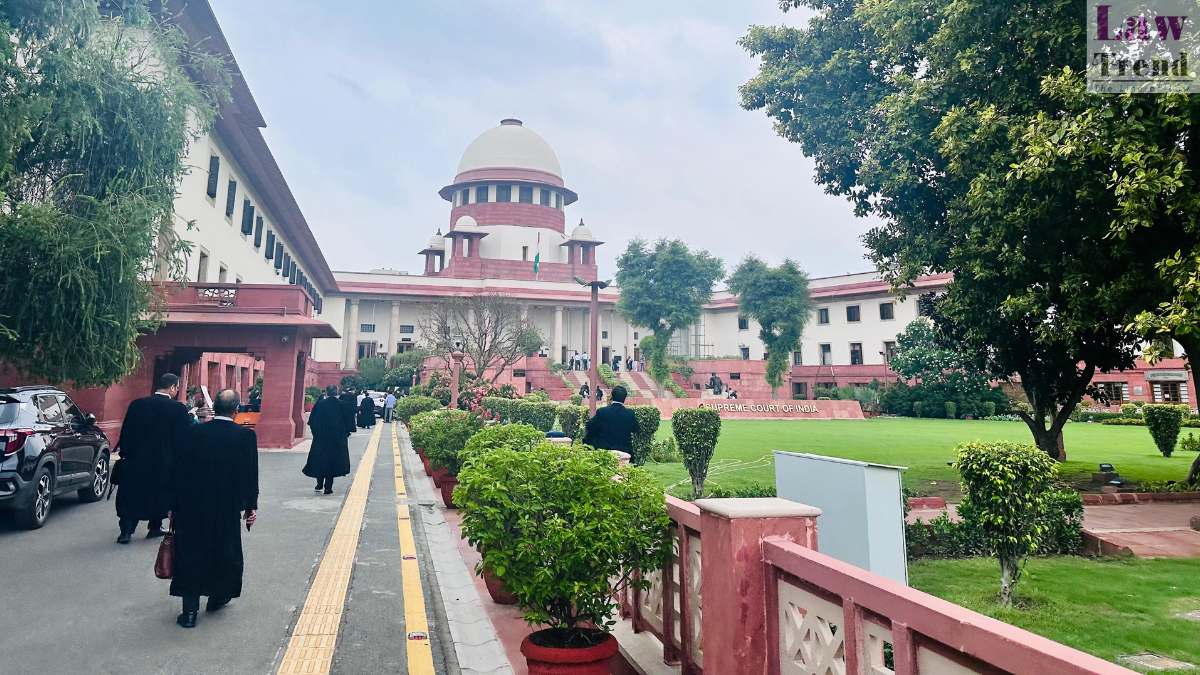
The Supreme Court on Thursday declined to entertain a public interest litigation seeking directions for the Madras High Court to fast-track 54 election petitions arising from the 2026 Tamil Nadu Assembly elections.
A three-judge bench, comprising Chief Justice Surya Kant, Justice Joymalya Bagchi, and Justice V. Mohana, stated that granting such a directive would establish a bad precedent. However, the apex court granted the petitioner the liberty to approach the Madras High Court directly to seek the requested relief.
Court Proceedings And Arguments
The public interest litigation, initiated by K. Venkatachalapathy, was filed through lawyer Samir Malik. During the hearing, senior advocate D. S. Naidu, representing the petitioner, urged the bench to direct the High Court to set up a dedicated bench to resolve the pending election disputes in a time-bound manner.
Scope Of The Election Disputes
The 54 pending petitions challenge the validity of election outcomes across various assembly constituencies in Tamil Nadu. The state’s 17th legislative assembly elections were held on April 23, resulting in a victory for the TVK party, led by actor C. Joseph Vijay. Following the declaration of results on May 4, the disputing parties filed their petitions between June 3 and June 18.
Legislative Intent And Timelines
In the petition, Venkatachalapathy argued that prolonged delays in resolving electoral disputes defeat the statutory purpose of the Representation of the People Act, 1951. The plea highlighted Section 86(7) of the Act, which mandates that election petitions be tried as expeditiously as possible, with an endeavor to conclude proceedings within six months of their presentation to the High Court. The petitioner submitted that timely adjudication is vital to safeguard the integrity of the electoral process, protect democratic governance, and preserve public confidence in elections.




