

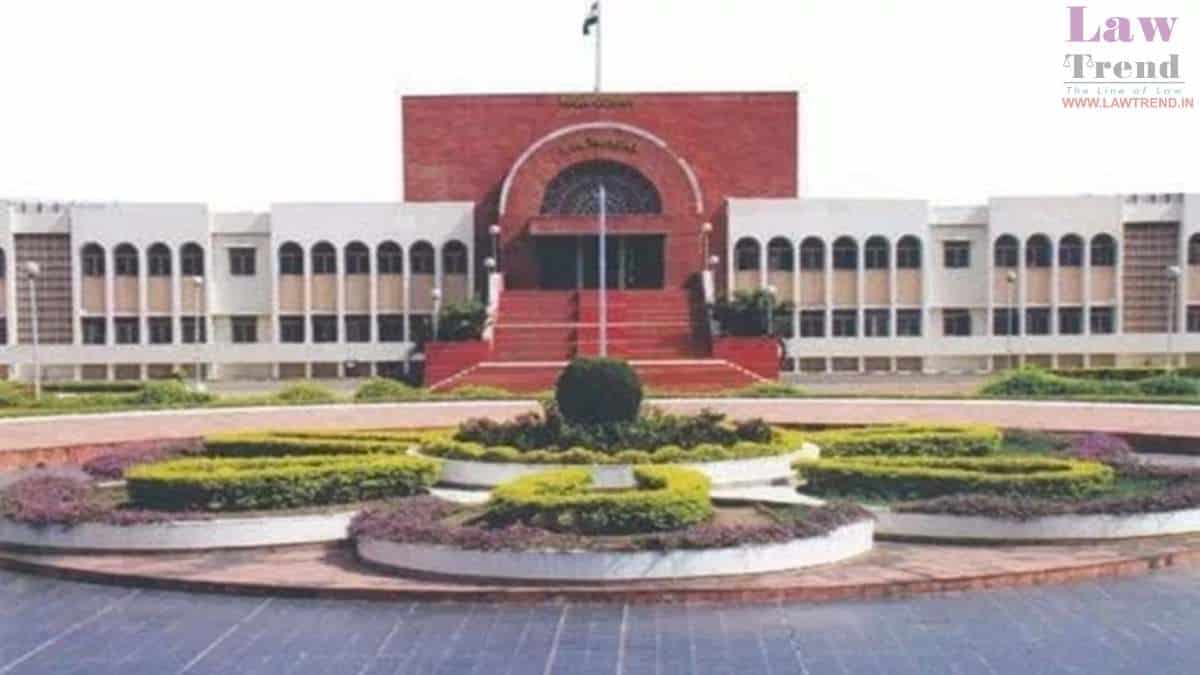
The Aurangabad bench of the Bombay High Court has directed the Maharashtra government to pay Rs 30 lakh each to the families of two laborers who died while cleaning a septic tank in Nanded district in 2021. In its ruling, the court described the persistent occurrence of manual scavenging as a profound failure of civilized society.
A division bench of Justices Nitin B Suryawanshi and Vaishali Patil-Jadhav ordered the State Social Justice Department to release the compensation within eight weeks of receiving a formal proposal from the Nanded district collector. The court added that any delay in releasing the funds would attract a 6 percent annual interest rate.
Judicial Reflection on Human Dignity
In its July 6 judgment, the bench stated that the ongoing existence of manual scavenging reflects a collective failure to eradicate the degrading practice despite clear constitutional protections and prior court directives. The judges remarked that these recurring tragedies require society to reflect on how successfully it has realized the constitutional values of equality, dignity, and fraternity.
The court’s decision resolved two petitions filed by the families of the deceased. One petitioner is a 32-year-old widow who was left to support her nine-year-old son by working as a daily-wage agricultural laborer after her husband’s death. Her late husband, a fisherman who also took on construction labor, was the family’s sole earner. The second petitioner is a 70-year-old mother whose son, a daily-wage construction laborer, died in the same incident, leaving his parents dependent on his younger brothers.
Arguments Over Financial Liability
Both men died of asphyxiation and drowning while cleaning a septic tank on private premises without any protective equipment. The petitioners’ representative, advocate Abha Singh, noted that the property owner did not have authorization from local authorities to perform the cleaning. Singh argued that despite submitting a representation to the district collector for Rs 10 lakh in compensation under Supreme Court guidelines, no funds had been sanctioned, resulting in extreme financial distress for the families.
The state government, represented by lawyer P K Lakhotiya, contested the state’s liability. He argued that under a December 2019 government resolution, the responsibility to compensate the victims lay with the private property owner because the work was done in an individual capacity on private land.
However, advocate G R Ingole, representing the property owner, stated that his client had already paid Rs 2.25 lakh to each family in 2022 following a directive from the district collector, and maintained that ultimate liability rested with government authorities.
The High Court ultimately ordered the state to provide the Rs 30 lakh compensation. It also directed authorities to evaluate the petitioners’ eligibility for rehabilitation under the Prohibition of Employment as Manual Scavengers and their Rehabilitation Act, with a directive to rehabilitate them within 12 weeks if they qualify.




