

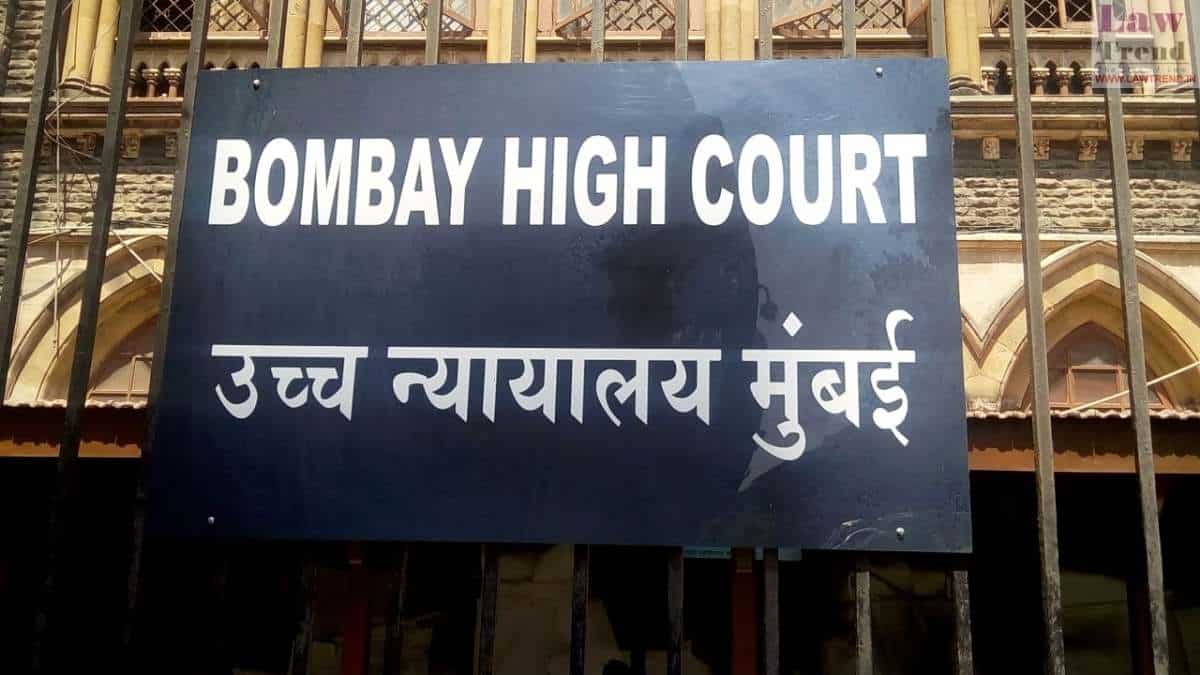
The Bombay High Court on Thursday dismissed a batch of petitions challenging the Maharashtra government’s policy for cluster redevelopment of two major MHADA layouts in Mumbai, clearing the way for the redevelopment of Bandra Reclamation and Adarsh Nagar in Worli through a single private development agency.
A division bench of Justices Makarand S. Karnik and Shriram M. Modak found no merit in the petitions filed by several cooperative housing societies and dismissed them after recording an assurance from the respondents. Following the judgment, the state informed the court that no work order would be issued for four weeks, allowing the petitioners time to approach the Supreme Court.
Adani Properties has emerged as the highest bidder for the redevelopment of the two projects, which cover approximately 98.27 acres at Bandra Reclamation and 34.33 acres at Adarsh Nagar in Worli.
Government Policy On Cluster Redevelopment
The dispute arose from Government Resolutions issued on April 25 and December 15, 2025, under which the Maharashtra government adopted a policy for integrated or cluster redevelopment of MHADA layouts measuring 20 acres or more in Greater Mumbai and its suburbs.
Under the policy, large MHADA layouts are to be redeveloped through a single construction and development agency instead of permitting individual housing societies to undertake separate redevelopment projects.
The state informed the High Court that MHADA had built 56 affordable housing colonies between 1950 and 1960 for middle-income and lower-income groups. These colonies now comprise around 5,000 housing societies, with several buildings having deteriorated over time and requiring redevelopment.
Petitioners Raised Property Rights Concerns
The petitioner societies argued that the Government Resolutions violated Article 300A of the Constitution by depriving them of their property rights without following due process of law.
They contended that the policy compelled societies to join cluster redevelopment, thereby taking away their right to pursue independent redevelopment under the Development Control and Promotion Regulations. According to the petitions, the tender conditions exceeded the scope of the Government Resolutions and adversely affected the rights of participating societies.
The petitioners also argued that residents of sea-facing buildings in Adarsh Nagar could be relocated elsewhere under the redevelopment plan and might lose the benefit of their existing locations and areas.
They further alleged that the policy merged societies without a statutory procedure, failed to safeguard existing rights, society funds and allotted areas after the merger, dispensed with the consent of individual flat owners, and granted excessive discretion to MHADA and the selected developer. They also maintained that the project lacked any genuine public interest justification.
State Defended Redevelopment Policy
Appearing for the Maharashtra government, Advocate General Milind Sathe submitted that the redevelopment would be carried out strictly in accordance with the Development Control and Promotion Regulations and other applicable laws.
Senior Advocate Ravi Kadam, representing MHADA, argued that only a small number of the nearly 5,000 affected housing societies had challenged the policy. He contended that setting aside the Government Resolutions and the tender process would adversely affect numerous other societies and residents awaiting redevelopment.
Earlier Interim Proceedings
During earlier hearings in May, the High Court had declined to stay the tender process after the state submitted that redevelopment of the 50 to 60-year-old buildings was necessary to improve residents’ living conditions.
At that stage, the bench had observed that allowing the tender process to continue would not prejudice the petitioners and had decided to hear the matter finally in view of the scale of the proposed redevelopment. With Thursday’s judgment, the challenge has now been rejected, subject to the state’s assurance that no work order will be issued for four weeks.




