

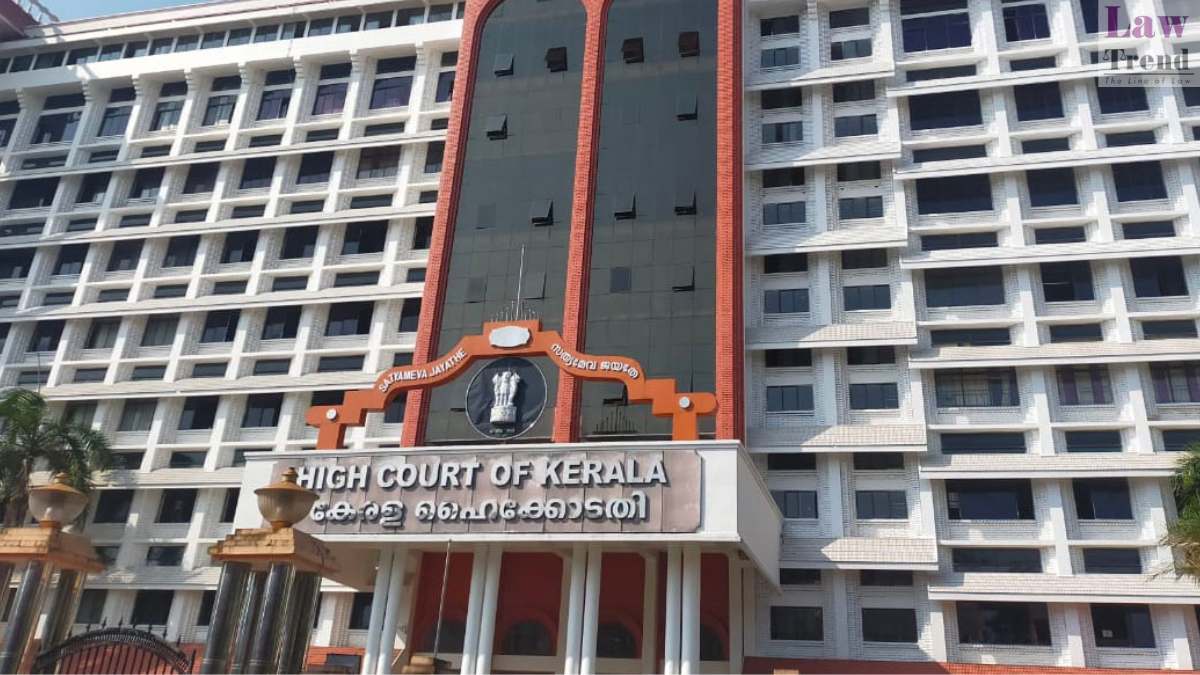
Customized oaths taken by elected local body representatives in Kerala are legally invalid, the state’s High Court ruled on Wednesday, directing several affected officials to be sworn in again using strictly prescribed statutory language.
The decision directly impacts 20 BJP councillors in the Thiruvananthapuram Corporation and a panchayat member from Palakkad district who added religious deities, political figures, or patriotic slogans to their official oaths. While the court invalidated their initial swearing-in ceremonies, it preserved their election victories and ordered authorities to arrange a fresh, legally compliant oath-taking within four weeks.
Strict Adherence To Statutory Language
In a judgment delivered by Justice P V Kunhikrishnan, the court declared that the Kerala Municipality Act and the Kerala Panchayat Raj Act permit only two formats: swearing “in the name of God” or making a “solemn affirmation.” The court ruled that inserting names of specific Hindu deities, national personifications like “Bharathamba” or “Bharatha Matha,” political martyrs, organizations, or individuals violates the law.
The legal challenge arose from two separate incidents. In Thiruvananthapuram, 20 corporation councillors incorporated various Hindu gods, patriotic slogans, the reformer Gurudeva, and political martyrs into their oaths. In a separate case, an elected member of the Vadakkencherry grama panchayat in Palakkad district took his oath “by God’s blessing in the name of Oommen Chandy,” invoking a deceased political leader.
The court emphasized that while citizens are entirely free to practice any religion or worship any deity, the statutory oath is a formal legal commitment that cannot be customized. Justice Kunhikrishnan observed that when a law mandates a specific procedure for an oath, representatives cannot expand the term “God” to include individual names.
Differential Protections For Past Actions
The court declined to impose penalties on the representatives, finding they acted under a good-faith belief that their customized oaths were valid. However, the ruling creates different legal outcomes for the official actions they have performed since taking office.
Under Section 531 of the Kerala Municipality Act, the official actions and decisions taken by the Thiruvananthapuram Corporation councillors up to this point remain legally protected.
In contrast, the court invalidated all official actions performed by the Vadakkencherry grama panchayat member because the Kerala Panchayat Raj Act contains no equivalent protective clause. Consequently, his official actions during his time in office so far are voided, though he remains eligible to retake the oath and continue serving.
Secular Principles And Statutory Boundaries
Justice Kunhikrishnan emphasized that an oath is a solemn promise to the electorate to uphold the Constitution, respect the rule of law, and serve the public honestly. To preserve this integrity, the swearing-in ceremony must be conducted exactly as the statute dictates.
Referencing the teachings of social reformer Sree Narayana Guru and the constitutional principle of secularism, the court observed that while people may call the Almighty by various names, the law requires the oath to be taken simply “in the name of God” or by solemn affirmation without any expansion.




