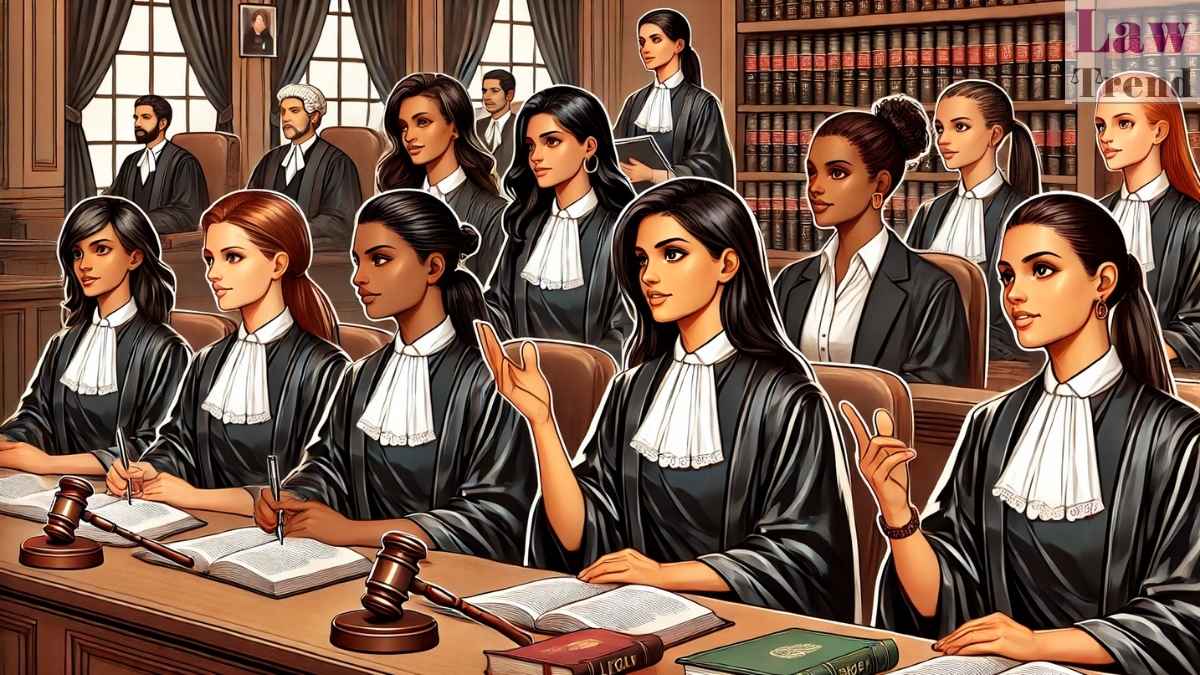
The Supreme Court of India has issued a “stern warning” to Bar Associations across the country, stating they face suspension and fresh elections if they fail to comply with the court’s mandate to ensure 30% representation for women in their governing bodies. A three-judge bench comprising CJI Surya Kant, Justice Joymalya Bagchi, and Justice Vipul M. Pancholi emphasized that the requirement is mandatory on a “pan-India basis” to ensure adequate representation of women advocates.
The core issue involves the implementation of the Supreme Court’s previous directions dated March 13, 2026, which mandated a 30% quota for women in the executive committees of District Bar Associations. The Court was informed that several associations had either not complied or were reluctant to implement the reservation. Consequently, the Court modified the nomination process for instances where women candidates do not contest and sought fact-finding reports from various High Courts regarding specific allegations of non-compliance.
Arguments and Background
During the proceedings, Senior Advocate Jayna Kothari, appearing for one set of petitioners, requested time to collate information received from different High Courts. She noted that certain Bar Associations had failed to comply with the directions issued in the March 13 order.
The Court observed that the primary objective of its previous order was to ensure that “30% of the posts of the governing or executive members in every Bar Association, on a pan-India basis, shall be for the purpose of ensuring adequate representation of women advocates.”
Court’s Analysis and Observations
The Bench took a serious view of the reported non-compliance. It issued a word of caution, stating:
“We also deem it necessary to issue a word of caution and a stern warning that wherever the Bar Associations have failed to comply with, or shall be found to have defied, the directions issued hereinabove, such Bar Associations shall be liable to be suspended through a judicial order and fresh elections shall be directed to be conducted.”
To ensure the quota is met even in the absence of active contestants, the Court addressed the mechanism for filling vacancies. It clarified that “In cases where women advocate members are not present and/or do not contest the elections, the shortfall in representation shall be ensured through nominations.”
The Decision
The Supreme Court passed the following directions:
- Modification of Nomination Process: The Court modified paragraph 6 of its March 13, 2026, order. It directed that nominations for the shortfall shall be made by the “Administrative Judge/Portfolio Judge of the jurisdictional High Court, in consultation with the concerned District and Sessions Judge, the elected office bearers, and the senior-most women members of the respective District Bar Association.”
- Tenure: The tenure of such nominated members will be co-terminus with that of the elected members.
- Reporting Mandate: The Registrar Generals of all High Courts have been directed to communicate this order and submit a report detailing Bar Associations that have failed or are reluctant to comply.
- Specific Fact-Finding Reports: The Court issued notices and directed the Registrar Generals of the High Courts of Madhya Pradesh, Andhra Pradesh, Punjab and Haryana, and Bombay to submit “Fact-Finding Reports” regarding specific allegations made in various Interlocutory Applications (IAs).
The Bar Council of India’s application (I.A. No. 109832/2026) was disposed of in light of these clarifications. The main matter is now scheduled for further hearing on May 12, 2026.
Case Details :
Case Title: Deeksha N Amruthesh v. State of Karnataka & Ors.
Case No.: SLP(C) No. 1404/2025
Bench: CJI Surya Kant, Justice Joymalya Bagchi, and Justice Vipul M. Pancholi
Date: April 16, 2026