

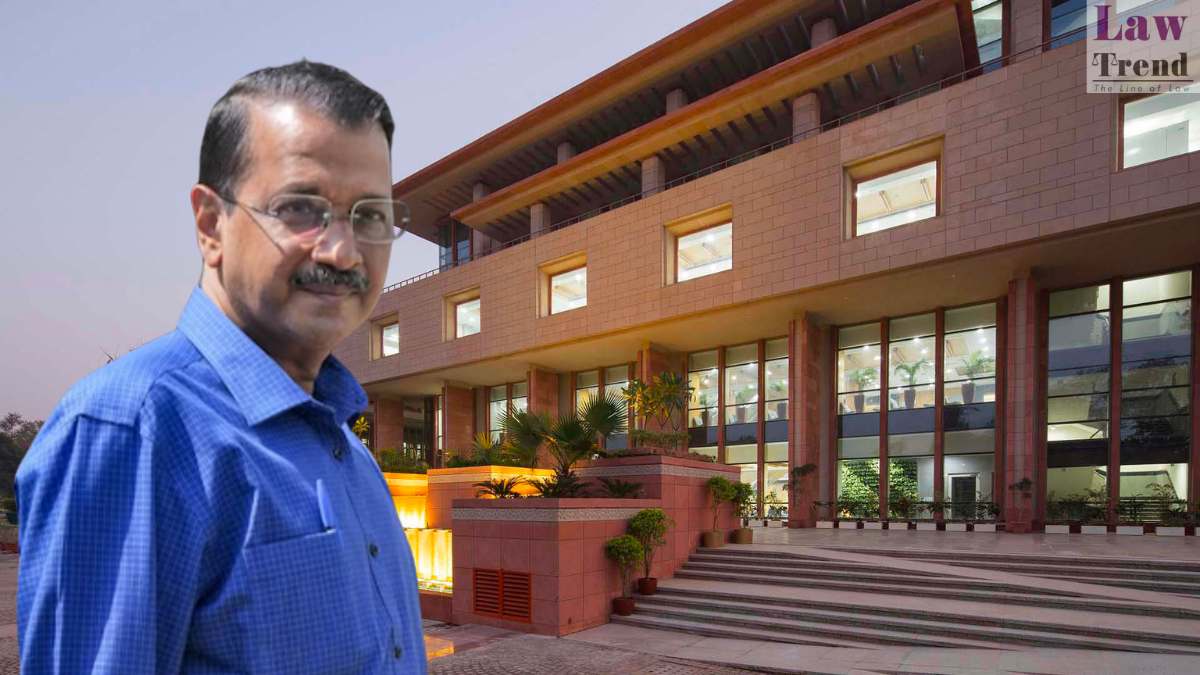
The Central Bureau of Investigation (CBI) has strongly opposed applications filed by former Delhi Chief Minister Arvind Kejriwal and other AAP leaders seeking the recusal of Justice Swarana Kanta Sharma from the liquor policy case. In a formal reply filed with the Delhi High Court, the central agency termed the allegations of “ideological bias” as “frivolous” and “scandalous,” asserting that a judge’s participation in a legal seminar does not constitute a ground for withdrawal from a case.
The controversy stems from applications filed by Arvind Kejriwal, Manish Sisodia, Durgesh Pathak, and others, including Vijay Nair and Arun Ramchandra Pillai. They requested that Justice Sharma recuse herself from hearing the CBI’s challenge to a trial court order that discharged them in the liquor policy case.
The petitioners expressed a “bona fide and reasonable apprehension” that the proceedings would not be impartial. Their primary contention was Justice Sharma’s attendance at a legal seminar organized by the Akhil Bharatiya Adhivakta Parishad, an organization they associated with a specific ideology. Furthermore, Kejriwal’s plea noted that the judge had previously decided multiple matters related to the liquor policy FIR without granting relief to the accused.
The CBI, in its detailed response, hit back at the petitioners, accusing them of “forum shopping” and attempting to interfere with the administration of justice. The agency argued that making “sweeping allegations” based on attendance at legal seminars is an attempt to lower the court’s authority.
Key arguments presented by the CBI include:
- Broad Precedent: The agency highlighted that several sitting judges of the Supreme Court, including Chief Justice of India Surya Kant, and various High Court judges have attended functions by the Adhivakta Parishad. If such attendance were a ground for recusal, many judges would be disqualified from hearing cases involving “politically exposed persons.”
- Non-Political Topics: The CBI clarified that the seminar in question was a “legal seminar” with no political agenda, and thus did not demonstrate any ideological association.
- Judicial Duty: The agency maintained that a judge cannot be asked to recuse themselves simply because an accused person has filed an application or because previous judicial findings were adverse to them.
The CBI’s reply underscored the necessity of protecting the judiciary from external pressures. “An order of recusal cannot be passed at the ‘drop of a hat’,” the agency stated, adding that “unscrupulous litigants” should not be allowed to indulge in “bench-hunting.”
The agency further noted that Justice Sharma was assigned the specific roster for cases concerning MPs and MLAs by the Chief Justice of the High Court. The CBI argued that this roster cannot be altered merely at the request of an accused, as doing so would lead to “anarchy in the adjudicatory process.”
Justice Sharma had previously granted the CBI time to respond to these applications on April 6. Following the agency’s submission, the matter is now listed for a high-stakes hearing on April 13.




