

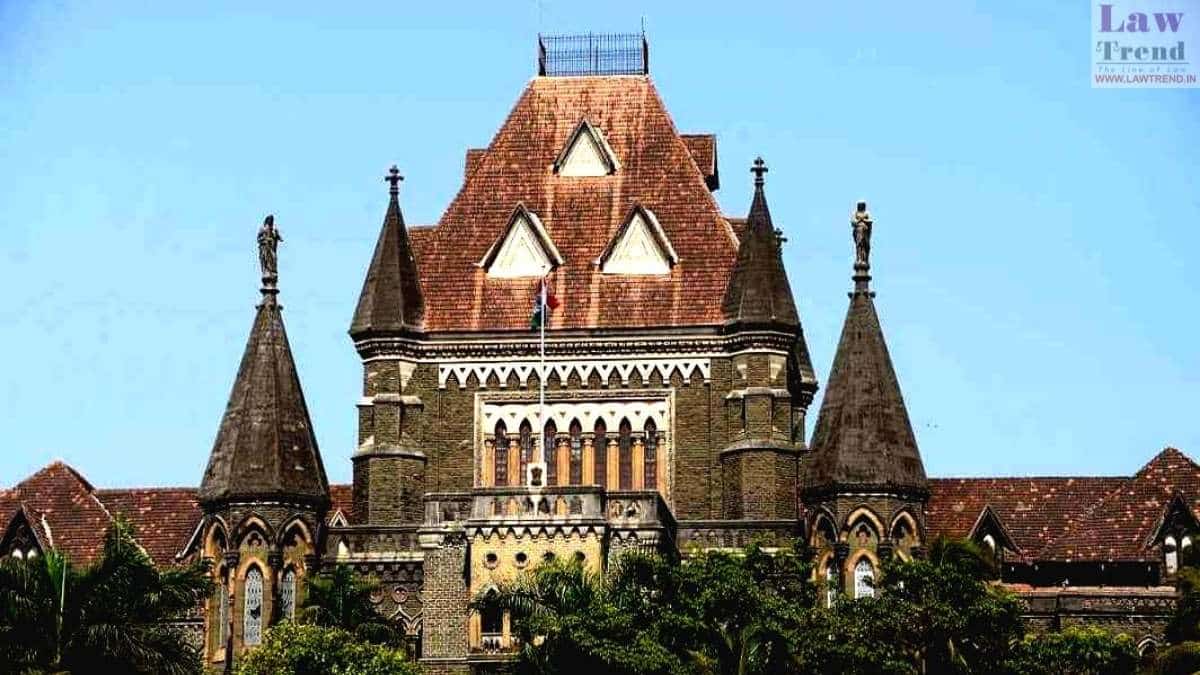
The Bombay High Court on Tuesday intervened in a grieving family’s quest for closure, directing the Deputy Director General (DDG) of Shipping to oversee the collection and DNA analysis of the charred remains of a 25-year-old Indian seafarer. Dixit Solanki was tragically killed earlier this month when an explosive-laden drone boat struck an oil tanker off the coast of Oman.
A division bench comprising Chief Justice Shree Chandrashekhar and Justice Gautam Ankhad ordered that the remains be collected in the presence of the family members and transported to the Forensic Science Laboratory (FSL) in Mumbai. The court’s intervention follows a petition by Solanki’s father and sister, who sought legal recourse after receiving only charred remains that required scientific identification before final rites could be performed.
The case stems from a maritime attack on March 1, when the oil tanker MT MKD Vyom was struck by an explosive-laden drone boat while sailing off the Oman coast. Dixit Solanki, a 25-year-old crew member, succumbed to his injuries on March 4.
The incident is noted as a significant escalation in the regional West Asia conflict, which reportedly intensified following a joint military action on February 28. Solanki is believed to be the first Indian casualty of this specific phase of the conflict.
The victim’s father, Amratlal Solanki, and sister, Mitali, moved the High Court last week. They initially sought directions for the Union government to repatriate his body, claiming a lack of clarity in official responses. Although the remains arrived in India on Sunday, their condition—consisting only of charred bones—led the family to request a formal DNA test to ensure certain identification.
During the hearing, Advocate Rui Rodrigues, representing the Union government and maritime authorities, informed the bench that the Directorate General of Shipping had already initiated communications with the Maharashtra Director General of Police, the Mumbai Commissioner of Police, and forensic laboratories in both Hyderabad and Mumbai to coordinate the process.
Advocate Pradnya Talekar, appearing for the Solanki family, urged the court to set a strict deadline for the submission of the DNA analysis report. However, the bench declined to fix a specific timeframe at this stage, focusing instead on the immediate logistical handover of the remains to the experts.
The Solankis’ petition emphasized that the “fundamental right to dignity extends to a person even after death.” The family argued that authorities have a constitutional and legal duty to ensure the timely and dignified return of a citizen’s remains. They further cited international maritime regulations and repatriation guidelines that mandate specific protocols for deaths occurring at sea.
In its order, the bench mandated:
- The DDG Shipping must collect the mortal remains in the presence of the family.
- The remains are to be sent specifically to the FSL in Mumbai for DNA analysis.
- A copy of the final DNA report must be supplied directly to the family.
The identification is a critical prerequisite for the family to perform the last rites according to their traditions.




