

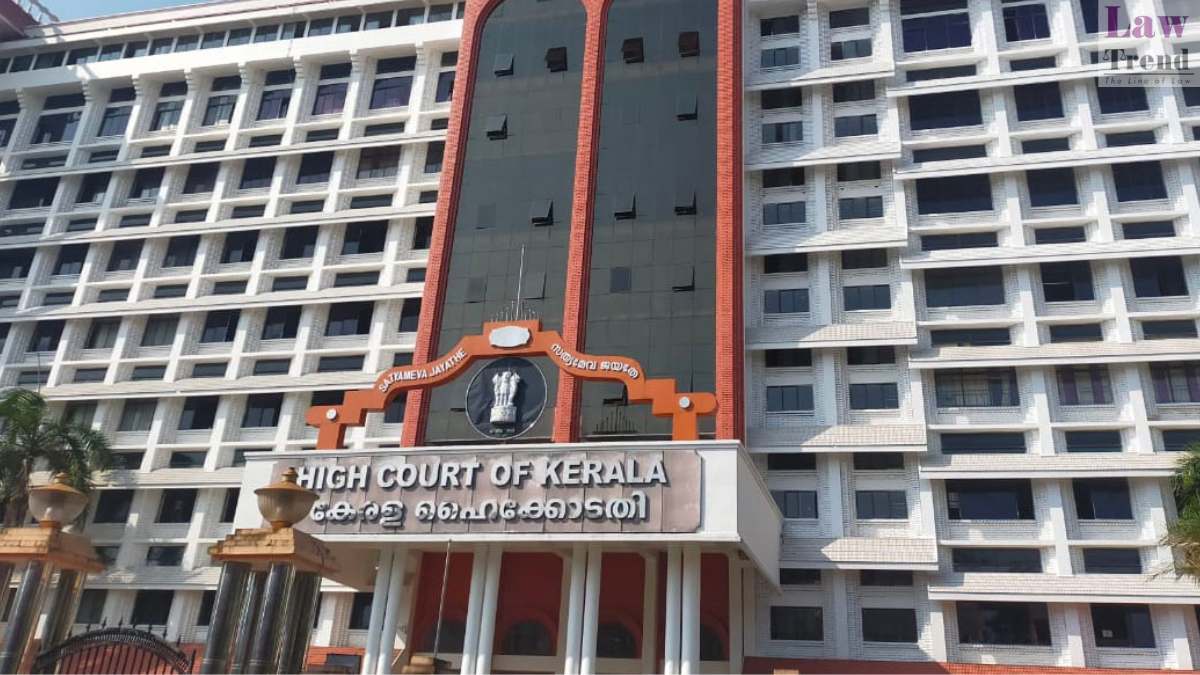
The Kerala High Court on Thursday set aside an order granting bail to eight men accused of the mob lynching of a Jharkhand native in Palakkad last year. Justice A. Badharudeen, while allowing the prosecution’s appeal, described the lower court’s decision as “shocking” and “mechanical,” noting that it ignored mandatory statutory protections for the victim’s family.
The primary legal issue concerned whether a Special Judge could grant bail in a case involving the Scheduled Castes and the Scheduled Tribes (Prevention of Atrocities) Act, 2018, without providing a mandatory notice and hearing to the victim’s dependents. The High Court concluded that the lower court’s failure to adhere to these procedural mandates, coupled with an “inattentive” approach to the seriousness of a mob lynching charge, rendered the bail order unsustainable. Consequently, the bail bonds were cancelled, and the accused were ordered to surrender within three days.
The case pertains to the death of 40-year-old Ram Narayan Bhagel, a native of Jharkhand. On December 17, 2023, Bhagel was allegedly intercepted and brutally beaten by a group of men in Palakkad district after being accused of theft. The prosecution maintained that the assault was a clear case of mob lynching, motivated by discrimination based on the victim’s place of birth.
Despite the gravity of the murder charges and the invocation of the SC/ST Act, a Special Judge had recently granted bail to eight of the accused. The prosecution moved the High Court to cancel this relief, arguing it would adversely affect the ongoing investigation, which is still in its initial stages.
Justice Badharudeen expressed strong dissatisfaction with the Special Judge’s handling of the matter. The High Court highlighted that under the SC/ST Act, the victim or their dependents have a statutory right to be heard during bail proceedings.
“It is shocking to note that the Special Judge, when dealing with a serious case of murder of a member of Scheduled Caste community by mob lynching, inattentively and thoughtlessly granted bail even without issuing notice to ensure mandatory hearing of the dependent of the victim in this case,” the court observed.
The High Court further noted that the lower court had “jumped into conclusion in a very mechanical manner” by suggesting that further interrogation of the accused was not required. The Court pointed out that the Bharatiya Nagarik Suraksha Sanhita (BNSS), 2023, allows for police custody during the initial 60 days of detention, a provision the Special Judge ignored.
The judgment emphasized the need for judicial vigilance: “This is a very serious lapse on the part of the Special Judge and the same should not have happened and the Special Judge shall be more vigilant hereinafter when dealing with cases of this nature.”
Terming the cancellation of bail a “harsh order” but necessary for justice, the High Court set aside the common order of the Special Judge.
The eight respondents (1 to 8) have been directed to surrender before the jurisdictional court within three days. If they fail to do so, the investigating officer is authorized to arrest them. The High Court clarified that after their surrender and detention, the accused are at liberty to file fresh bail applications. However, the Special Judge must adjudicate such pleas strictly according to the mandate of the SC/ST (POA) Act, 2018, ensuring the victim’s family is given due notice and an opportunity to be heard.




