

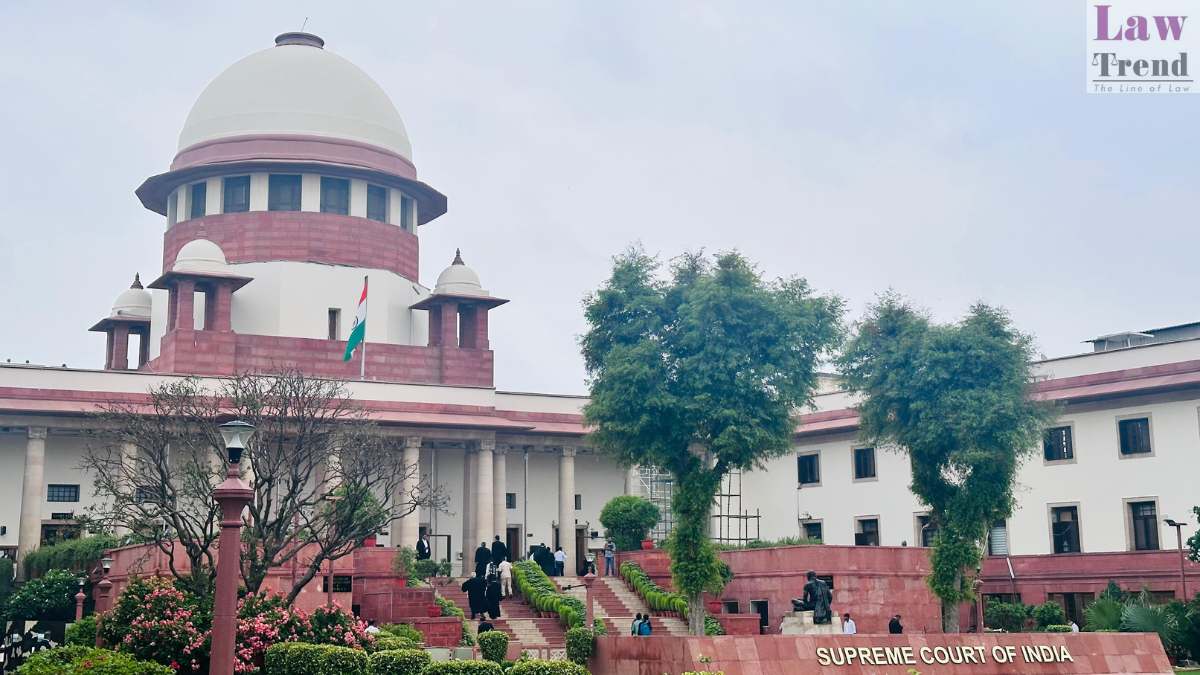
The Supreme Court on Monday called for responses from key Union ministries on a proposal to shift all coal-based industries out of the Delhi-NCR region as part of long-term measures to address chronic air pollution.
A bench led by Chief Justice Surya Kant, along with Justices Joymalya Bagchi and Vipul M. Pancholi, also said it would examine the issue of vehicular emissions on March 12 in light of recommendations made by the Commission for Air Quality Management (CAQM).
The court directed the Ministry of Environment, Forest and Climate Change, the Ministry of Petroleum and Natural Gas, and the Ministry of Power to place on record a joint proposal for phasing out coal-based industries operating in the NCR.
“The proposal shall firstly identify the industries and determine what alternative fuel sources can be provided for them,” the bench ordered.
It further sought the ministries’ response to the suggestion that no new coal-based thermal power plant should be set up within a 300-kilometre radius of Delhi.
Uttar Pradesh, Haryana, and Rajasthan were directed to issue public notices inviting suggestions and objections from stakeholders, including coal-based industries functioning in the NCR.
These notices will be treated as deemed service by the court.
The states have been asked to submit an “Action Taken Plan” detailing the feedback received from industry and other stakeholders.
The bench also instructed the Government of NCT of Delhi to submit a concrete action plan for implementing the long-term measures recommended by the CAQM.
“The Commission has identified the concerned agencies expected to take action. We consequently direct the Delhi government to submit a proposed action plan to give effect to these measures,” the court said.
Apart from coal-based industries, the court sought responses from all stakeholders on CAQM’s recommendations to control dust pollution arising from construction and demolition activities.
All stakeholders have been directed to file status reports and proposals before the next date of hearing, when the court will also take up the issue of vehicular pollution.
The matter forms part of the Supreme Court’s continuing monitoring of air quality in the National Capital Region and the implementation of structural measures to curb pollution sources.




