

Participation in Suicide Pact Reinforces Resolve to Die: SC Holds Survivor Liable for Abetment Under Section 306 IPC
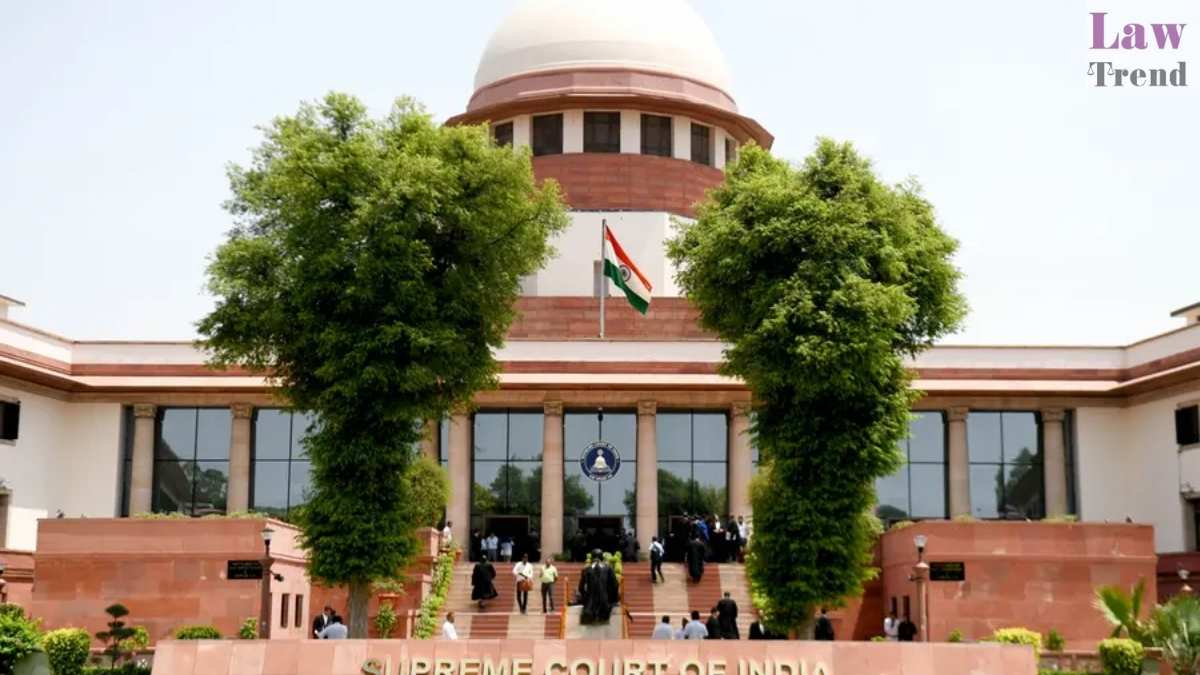

The Supreme Court of India has upheld the conviction of Gudipalli Siddhartha Reddy for the offences of abetment of suicide and attempt to commit suicide in connection with the 2002 death of South Indian actress Ms. Pratyusha.

The Division Bench comprising Justice Rajesh Bindal and Justice Manmohan dismissed the appeals filed by the accused as well as the revision petition filed by the mother of the deceased, thereby confirming the findings that the death was a result of a suicide pact via poisoning, and not murder or strangulation.

Case Background

The case dates back to February 2002. The deceased, Ms. Pratyusha, an actress, and the Appellant-Accused, an engineering student, were in a relationship for nearly a decade. While the deceased’s mother, Smt. Sarojini Devi (PW-1), had agreed to their marriage, the parents of the accused were opposed to it.

On February 23, 2002, the couple met and subsequently admitted themselves to CARE Hospital, Banjara Hills, after consuming poison. The deceased succumbed on February 24, 2002, while the accused survived and was discharged on March 9, 2002.

The prosecution’s case was that due to opposition to their marriage, the couple entered into a suicide pact. The accused allegedly purchased ‘Nuvacron’ pesticide and a knife, mixed the poison with Coca-Cola, and both consumed it.

The Controversy: Strangulation vs. Poisoning

A significant portion of the judgment dealt with the conflicting medical opinions. Dr. B. Muni Swamy, who conducted the postmortem, had opined that the cause of death was “asphyxia due to manual strangulation” and suggested sexual assault. He had also given media interviews regarding these findings before submitting the report.

However, subsequent investigations by the CBI, an Expert Committee constituted by the Andhra Pradesh Government, and a medical board from AIIMS, New Delhi, unanimously concluded that the death was due to Organophosphate poisoning.

READ ALSO  Supreme Court: Government Employees Cannot Demand Promotion as a Matter of Right

Arguments Before the Court

The counsel for the Appellant-Accused argued that the case was based on circumstantial evidence which was not proved beyond reasonable doubt. They contended that the purchase of poison was not established, the Test Identification Parade (TIP) was flawed, and that the deceased’s dying declaration to the doctor—merely stating she consumed pesticide—did not implicate the accused.

Conversely, the counsel for the deceased’s mother argued that the case was one of rape and murder by strangulation, relying on the initial postmortem report and alleged injuries on the body.

The CBI argued that the ocular and medical evidence, including the FSL reports, conclusively proved poisoning. They submitted that the accused purchased the pesticide and that his silence under Section 313 CrPC regarding the events warranted an adverse inference.

Supreme Court’s Analysis and Observations

1. Rejection of Murder and Rape Theory: The Court categorically ruled out the theory of strangulation and rape. Relying on the testimony of the treating doctors and the Expert Committees, the Bench noted that the deceased was conscious and coherent upon admission to the hospital, which is medically inconsistent with strangulation.

READ ALSO  Whether Chargesheets Should Be Uploaded Online For Public Access? SC Reserves Judgment

The Court observed:

“Taken together, these facts conclusively establish that the deceased was conscious at the time of admission, bore no injuries consistent with strangulation and herself disclosed poisoning. The argument of death by strangulation is therefore ruled out.”

Regarding the allegation of rape, the Court noted that separate laboratory reports from AP FSL and CFSL concluded that semen was not detected.

2. Strictures Against Dr. B. Muni Swamy: The Court passed severe strictures against Dr. B. Muni Swamy for his “erroneous and unprofessional” conduct in issuing a premature postmortem report and going to the press.

The Bench remarked:

“The Court emphasises that justice is not served by following majority sentiment or public pressure… Consequently, this Court holds that the conduct of Dr. Muni Swamy in furnishing an erroneous report, publicising it prematurely and thereby violating professional ethics and the sub judice rule constitutes contempt of Court.”

3. Suicide Pact and Abetment: The Court addressed the legal culpability of a survivor in a suicide pact. The Bench held that the accused’s participation in the pact rendered him culpable under Section 107 IPC (Abetment).

The Court observed:

“In a suicide pact, it is implicit that each participant knows the intent of the other to commit the act knowing that their withdrawal from the pact will likely deter the other. Each party’s resolve to commit the act is, therefore, reinforced and strengthened due to the participation of the other party.”

The Court further held:

READ ALSO  Petition under Article 226 Is Not Maintainable Against Action Taken by Bank Under Section 13(4) of SARFAESI Act: SC

“The law treats such conduct as abetment because the State has a fundamental interest in preserving life. Any assistance in ending life is treated as a crime against the State.”

4. Adverse Inference: The Court noted that since the deceased was no more, the onus was on the accused to explain the circumstances under Section 106 of the Evidence Act. However, in his statement under Section 313 CrPC, the accused denied even being admitted to the hospital or having a relationship with the deceased, despite overwhelming evidence.

The Court held:

“In absence of any explanation by the accused as to why the deceased and the accused consumed poison would lead to an adverse inference that it was consumed with intent to commit suicide.”

Decision

The Supreme Court dismissed the appeals filed by Gudipalli Siddhartha Reddy and the revision petition by the deceased’s mother. The conviction under Sections 306 and 309 IPC was upheld. The Court directed the Appellant-Accused to surrender within four weeks.

Case Details:

Case Title: Gudipalli Siddhartha Reddy v. State C.B.I. (With Connected Matters)

Case No.: Criminal Appeal No. 457 of 2012

Bench: Justice Rajesh Bindal and Justice Manmohan 

Law Trend
Law Trendhttps://lawtrend.in/
Legal News Website Providing Latest Judgments of Supreme Court and High Court

Related Articles

Latest Articles

