

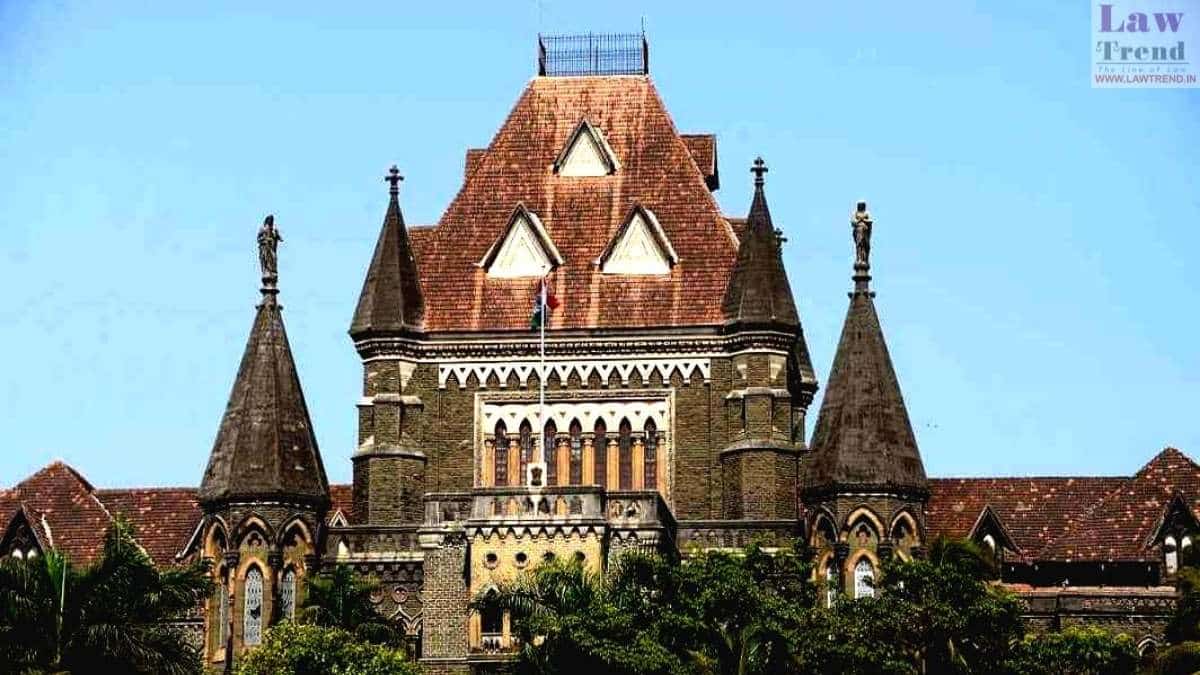
The Bombay High Court has ruled that an intoxicated man who was injured at a railway platform is not entitled to compensation, stating that the act leading to his injury was a direct consequence of his drunken state.
Justice Jitendra Jain, while dismissing an appeal against the 2014 decision of the Railway Claims Tribunal, invoked a quote by American novelist F. Scott Fitzgerald: “First you take a drink, then the drink takes a drink, then the drink takes you.”
The case involved a lab assistant from Bombay Hospital who claimed that around midnight on March 10, 2001, he was waiting at the Marine Lines railway station when he was hit by an approaching train. He was first taken to GT Hospital and then to Bombay Hospital, where medical records revealed that he had consumed a large amount of alcohol.
The Railway Claims Tribunal had earlier denied compensation, holding that the incident was not “untoward” under the Railways Act due to the victim’s intoxication.
Justice Jain upheld the Tribunal’s decision, citing Section 124A of the Railways Act, which bars compensation for injuries resulting from self-inflicted acts, including those committed under the influence of alcohol.
“Alcohol ruins, it ruins everything. Physical and mental health, relationships, causes family breakdown, social dysfunction, career disruption and has severe long-term lifestyle consequences,” the court observed.
The bench concluded that the victim, being “heavily drunk,” had endangered himself by standing close to the edge of the platform, and thus could not claim the incident as “untoward” for the purpose of compensation.
Section 124A of the Railways Act, 1989, disqualifies a claimant from receiving compensation in cases where the accident is caused due to intoxication, suicide, self-inflicted injury, or criminal acts.
Citing both statutory law and the broader social implications of alcohol abuse, the High Court refused to interfere with the Tribunal’s denial of compensation, underscoring the legal and personal consequences of intoxicated behaviour in public spaces.




