

“Lawyers Have No Right to Go on Strike”: Rajasthan HC Says Litigants Held to Ransom, Decides Bail Plea in Absence of Counsel
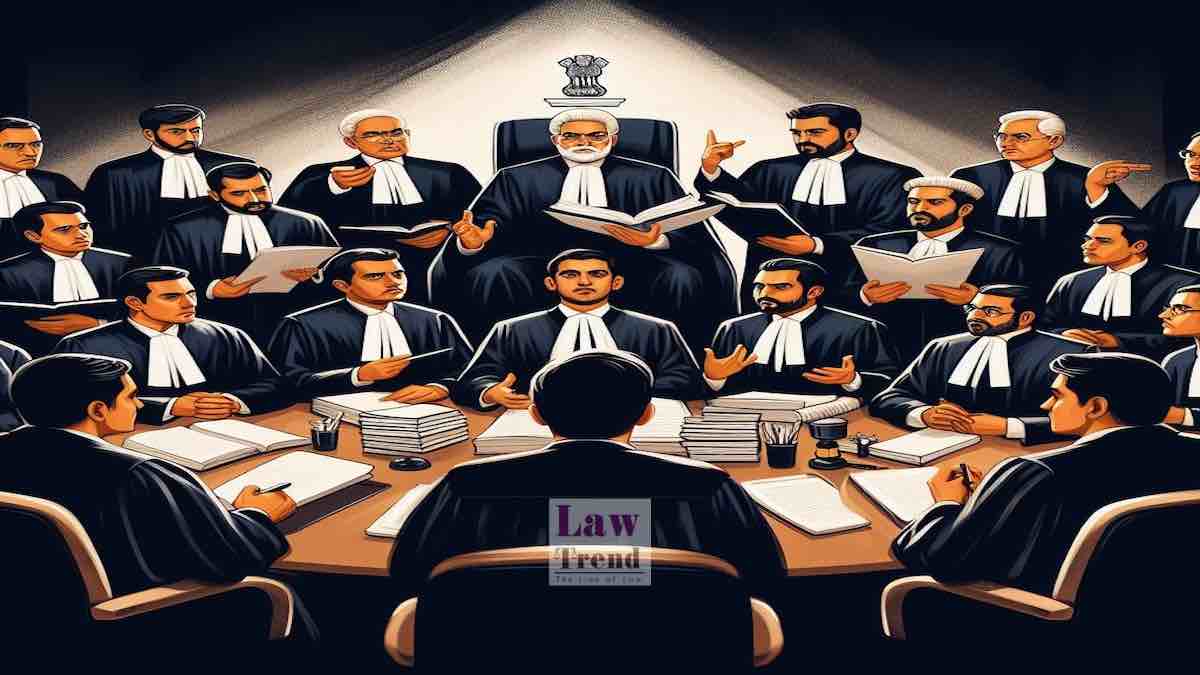

Taking a serious view of the ongoing lawyers’ strike against the designation of working Saturdays, the Rajasthan High Court has observed that lawyers have no right to go on strike or abstain from work, stating that such actions hold litigants to ransom.

The Single Bench of Justice Anoop Kumar Dhand, proceeding to hear a suspension of sentence application in the absence of legal representation for either side, remarked that the functioning of the Court cannot be allowed to stop, particularly in matters involving the personal liberty of individuals languishing in jails.

Protest Against “Working Saturdays”

The Court noted that three Bar Associations—two at the Principal Seat in Jodhpur and one at the Jaipur Bench—had passed resolutions to abstain from work. This protest was launched against a Full Court decision to declare two Saturdays in every month as working days.

Justice Dhand recorded that despite a specific note published in the cause-list dated 23.01.2026 clarifying that “presence of counsels on aforesaid Saturdays shall not be mandatory” and that only old pending cases would be taken up on a voluntary basis, the lawyers continued their boycott.

Court’s Observations: Strike Violates Article 21

Citing the Supreme Court’s landmark judgment in Ex-Capt. Harish Uppal Vs. Union of India & Another (2003), the Court reiterated that lawyers have no right to go on strike, give a call for a boycott, or even observe a token strike.

READ ALSO  High Court Recruitment 2024: Government Job in High Court, Know Eligibility Criteria

Justice Dhand observed:

“Lawyers have no right to go on strike; or give a call for boycott; or not even a token strike. The Hon’ble Apex Court has further expressed that lawyers abstaining from work held litigants at ransom. The functioning and working of the Court cannot be allowed to stop particularly for the matters involving personal liberty of the persons languished in the Jails.”

The Court further noted:

“When lawyers boycott the Courts, it directly violates the rights of the litigants to speedy justice, as guaranteed under Article 21 of the Constitution of India.”

The Court also referred to the legislative intent to curb such disruptions, noting:

“Even an amendment has also been proposed in the Advocates’ Amendment Bill, 2025, which prohibits lawyers from boycotting or abstaining from Court’s work.”

While acknowledging that the right to dissent and protest is a fundamental right under Article 19(1)(b) of the Constitution, the Court held that this right is not absolute. It must be exercised peacefully without causing public disorder or hampering the cause of justice. “The right to protest must be balanced with the rights of other citizens such as right to life and personal liberty,” the Bench remarked.

Case Outcome: Relief Granted Despite Absence of Counsel

The strong observations came while hearing the application of Rajesh Kushwah, an NDPS convict serving a 10-year sentence. Although the High Court had suspended his sentence on 07.10.2025, Kushwah remained in jail because he could not afford to deposit the required fine of Rs. 1 Lakh due to poverty.

READ ALSO  O.XXII R4 CPC | MP HC Rules That Decree Passed in Favour of Dead Person is Nullity in the Eyes of Law

Determining that the strike should not impede the petitioner’s liberty, the Court proceeded to decide the matter on its merits. Relying on the Supreme Court’s decision in Central Bureau of Investigation Vs. Ashok Sirpal (2024), the Court held that imposing a condition that is impossible for a poor accused to comply with defeats the right of appeal and violates Article 21.

“Poverty and penalty should not hinder an accused persons’ right of life and personal liberty… If the applicant, in the present case, is not in a position to arrange the fine amount… it clearly amounts to violation of his personal right of life and liberty,” the Court ruled.

Directions to Bar Councils

The Court recalled the condition requiring the deposit of the fine and directed the immediate release of the appellant. Significantly, concluding the order, Justice Dhand directed that a copy of the order be sent to the Bar Council of India and the Bar Council of Rajasthan for “taking appropriate steps for doing the needful.”

Case Title: Rajesh Kushwah vs. State of Rajasthan

READ ALSO  Rajasthan HC turns down minor rape survivor's plea to terminate pregnancy

Case No.: S.B. Criminal Misc. Bail (Suspension of Sentence) Application No.2204/2024 In S.B. Criminal Appeal (SB) No.3151/2024 

Law Trend
Law Trendhttps://lawtrend.in/
Legal News Website Providing Latest Judgments of Supreme Court and High Court

Related Articles

Latest Articles

