

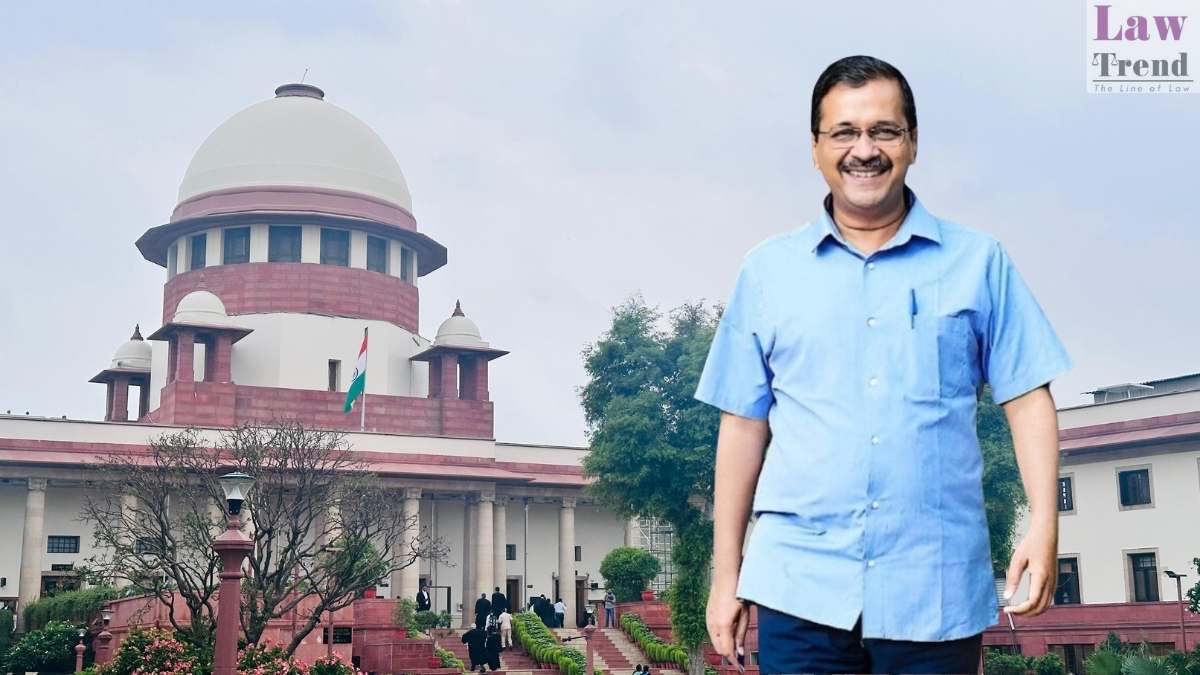
The Supreme Court on Tuesday adjourned till April 21 the hearing on a plea filed by AAP leaders Arvind Kejriwal and Atishi, challenging the refusal to quash a defamation case against them over their 2018 remarks alleging mass deletion of voters’ names in Delhi. The case revolves around allegations that the BJP orchestrated the removal of nearly 30 lakh names from electoral rolls.
A bench of Justices M M Sundresh and N K Singh deferred the matter, noting it required substantial hearing time. Senior advocate Meenakshi Arora, appearing for the AAP leaders, requested the court to list the case on a non-miscellaneous day, when matters requiring full arguments are typically heard.
The court had earlier stayed trial court proceedings in September 2024, after issuing notice to complainant Rajiv Babbar, who had filed the defamation complaint on behalf of the BJP’s Delhi unit.
The defamation case stems from a December 2018 press conference where Kejriwal, Atishi, and other AAP leaders accused the BJP of colluding with the Election Commission to delete nearly 30 lakh voters—primarily from Bania, Muslim, and Poorvanchali communities—from Delhi’s electoral rolls.
Rajiv Babbar filed the complaint claiming the allegations had tarnished the reputation of the BJP. The trial court took cognisance and summoned the AAP leaders for offences under Sections 499 and 500 of the Indian Penal Code, which deal with defamation.
The leaders challenged the summoning orders before the magistrate and the sessions court, but both courts refused to intervene. A further challenge to the Delhi High Court also failed, with the court ruling that the statements were “prima facie defamatory” and intended to vilify the BJP.
At the heart of the appeal is a crucial legal question: whether a political party or its representative like Babbar qualifies as an “aggrieved person” under Section 199 of the Code of Criminal Procedure, which governs the filing of defamation complaints.
While Additional Solicitor General S V Raju, representing the Centre, backed the maintainability of the complaint, the Supreme Court has yet to give its final word on this legal issue.
The matter will now be taken up on April 21, with the Supreme Court expected to delve into the core issue of standing and whether the alleged statements constitute criminal defamation under the law. Proceedings before the trial court remain stayed in the meantime.




