

Suspension Cannot Be Automatic on Initiation of Inquiry; Disciplinary Authority Must Record Subjective Satisfaction of Gravity: Allahabad High Court
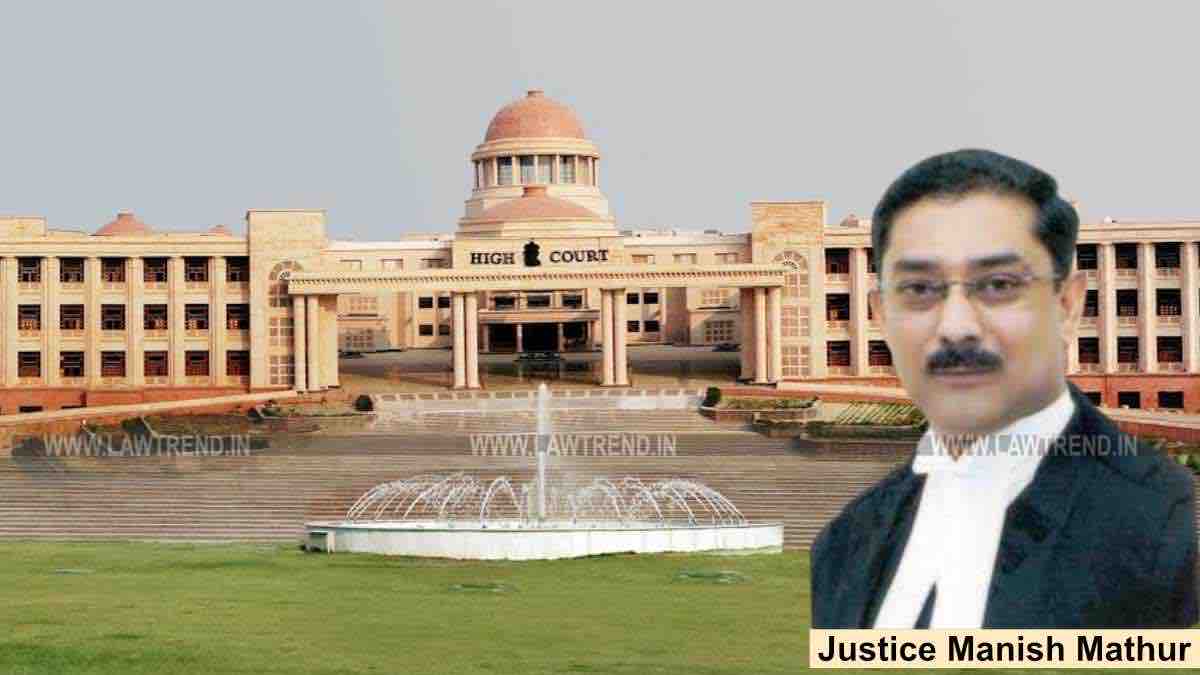
The Allahabad High Court (Lucknow Bench) has ruled that the suspension of a government employee cannot be automatic merely upon the initiation of a departmental inquiry. The Court emphasized that the Disciplinary Authority must apply its independent mind and record a subjective satisfaction that the allegations are so serious that, if established, they would warrant a major penalty.

The Single Bench of Justice Manish Mathur, hearing the writ petition of Ashish Yadav v. State of U.P., quashed the suspension order dated November 6, 2025. The Court held that the impugned order failed to demonstrate that the Disciplinary Authority had considered the gravity of the misconduct or the necessity of suspension, violating Rule 4 of the U.P. Government Servant (Discipline and Appeal) Rules, 1999.

Background of the Case

The petitioner, Ashish Yadav, approached the High Court challenging the suspension order dated November 6, 2025, and the charge sheet dated November 4, 2025. During the proceedings, the petitioner’s counsel restricted the challenge solely to the suspension order, choosing not to press the challenge against the continuance of the departmental proceedings.

The suspension was based on five charges, the most serious of which (Charge No. 1) alleged that the petitioner had stopped the pensions of eight individuals by classifying them as “deceased,” despite them being alive.

Arguments of the Parties

Counsel for the petitioner, Mr.Alok Mishra, argued that the suspension order was passed without any independent application of mind by the authority concerned. It was submitted that the order was issued merely in pursuance of certain letters and charge sheets dated November 3 and 4, 2025.

READ ALSO  If Mortgaged Property is Sold by the Bank for Repayment of the Loan and Later Found to Be Disputed One, the Authority Sanctioning the Loan Cannot Be Held Guilty: Chhattisgarh HC

The petitioner contended that under Rule 4 of the U.P. Government Servant (Discipline and Appeal) Rules, 1999, it is incumbent upon the Disciplinary Authority to record subjective satisfaction regarding the seriousness of allegations. Relying on the Supreme Court’s decision in State of Orissa v. Bimal Kumar Mohanty (AIR 1994 SC 2296) and the Division Bench judgment in Arvind Kumar Ram v. State of U.P. (2007 (4) AWC 4163 All), the counsel argued that suspension cannot be resorted to in an “automatic manner.”

The learned State Counsel defended the order, arguing that the charges were extremely serious, particularly the allegation regarding the falsification of pension records. He submitted that the impugned order was valid as it clearly noticed the five charges levelled against the petitioner.

Court’s Analysis

Justice Manish Mathur examined the impugned order and observed that while it listed the charges, the Disciplinary Authority appeared to have suspended the petitioner primarily on account of the charges without recording any subjective satisfaction regarding the necessity of suspension.

The Court referred to the Supreme Court’s ruling in State of Orissa v. Bimal Kumar Mohanty, quoting:

READ ALSO  अंतरधार्मिक जोड़े के बीच लिव इन रिलेशनशिप यूपी धर्मांतरण विरोधी कानून के खिलाफ है: इलाहाबाद हाईकोर्ट

“It is thus settled law that normally when an appointed authority or the disciplinary authority seeks to suspend an employee… the order of suspension would be passed after taking into consideration the gravity of the misconduct sought to be inquired into or investigated and the nature of the evidence placed before the appointing authority and on application of the mind by disciplinary authority.”

The Court also relied on the Division Bench judgment in Arvind Kumar Ram, which interpreted Rule 4 of the 1999 Rules. The Bench observed:

“The rule inherently lays down that suspension should not be resorted to by the appointing authority as a matter of routine but only after the appointing is satisfied that the allegations are so grave and serious against the government servant that if they are established it would result in removing or dismissing etc., the employee from service…”

Applying these principles, the Court found that the impugned order was passed “only on the basis of orders and charge-sheets” and that:

READ ALSO  कॉलेज ने लापरवाही बरती, छात्रों के भविष्य से खिलवाड़ किया: इलाहाबाद हाईकोर्ट ने विधि छात्र को ₹5 लाख मुआवजा देने का आदेश दिया

“There does not appear to be any subjective satisfaction recorded by the authority concerned with regard to the fact whether the charges levelled against petitioner are serious enough to entail major penalty in case established or that the suspension is warranted.”

The Court concluded that the suspension was “automatic” upon the initiation of disciplinary proceedings, which is impermissible.

Decision

The High Court allowed the writ petition and quashed the suspension order dated November 6, 2025.

However, the Court granted liberty to the Disciplinary Authority to pass fresh orders if warranted, strictly in accordance with the observations made in the judgment and the relevant legal precedents. The Court also clarified that the order does not preclude the continuance of the inquiry proceedings against the petitioner.

Case Details:

  • Case Title: Ashish Yadav v. State Of U.P. Thru. Prin. Secy. Deptt. Of Panchayati Raj Lko. And 3 Others
  • Case Number: WRIT – A No. 13339 of 2025
  • Coram: Justice Manish Mathur
  • Counsel for Petitioner: Alok Mishra
  • Counsel for Respondent: C.S.C.

Law Trend
Law Trendhttps://lawtrend.in/
Legal News Website Providing Latest Judgments of Supreme Court and High Court

Related Articles

Latest Articles
